iWorld
Vodafone to get new shine from Idea; merger on its last leg


MUMBAI: The team at Vodafone India is gung-ho about its merger with the Aditya Birla-owned Idea Cellular.
Consolidation between the networks is in its last leg with most of the approvals already through. “We are just awaiting approvals from National Company Law Tribunal (NCLT) and the Department of Telecommunications (DoT) and it should happen over the next few months,” says Vodafone India CEO Sunil Sood.
What the senior executive is quite keen on is building a new fighting-fit telco machine with the right imagery. Says Vodafone India COO Balesh Sharma: “We are very optimistic about the merger. We want to give Vodafone a new shine with this merger. All options are open in terms of branding. However, haven’t decided what our brand journey after the merger will be.”

While that may be true, with the two major behemoths coming together, they will have to deal with the strong messaging that each of these has been pushing out to customers. Vodafone is known for its ZooZoos while Idea rolled out its new tagline of ‘LookLook’ early this year. Vodafone will continue to push the characters of Asha and Bala for all its campaigns post the merger as well.
While Vodafone has a strong presence in urban areas, Idea has captured a significant chunk of interior India. Together they will surpass Bharti Airtel to become the largest telecommunication company with a combined subscriber base of over 400 million.
Idea Cellular, our own homegrown brand that was launched in 1995, has a subscriber base of 193.96 million as of July 2017 whereas Vodafone India is the Indian subsidiary of UK-based Vodafone Group, the world’s second-largest mobile phone company. The network enjoys a subscriber base of 250 million and has a 20 per cent market share.
Under the terms of the deal, Vodafone will hold 45.1 per cent stake in the combined entity, the Aditya Birla Group will hold 26 per cent and the remaining shares will be held by the public. With this deal, Vodafone India would have a valuation of Rs 82,800 Crore and Idea at Rs 72,200 Crore.
In the ongoing battle for customer acquisitions, Vodafone and Airtel have revamped their tariffs to lure customers. With IoT being the new talk of the town, networks are fighting to seize Reliance Communication customers.
With the current telecom war between the giants – Vodafone, Airtel and Jio – it will be interesting to watch which one bites the bullet and which bites the dust.




iWorld
Parineeti Chopra hosts new parenting series Mom Talks on Zee5 and Bullet
Celebrity parents share honest stories in 9-episode show launching 4 April 2026.
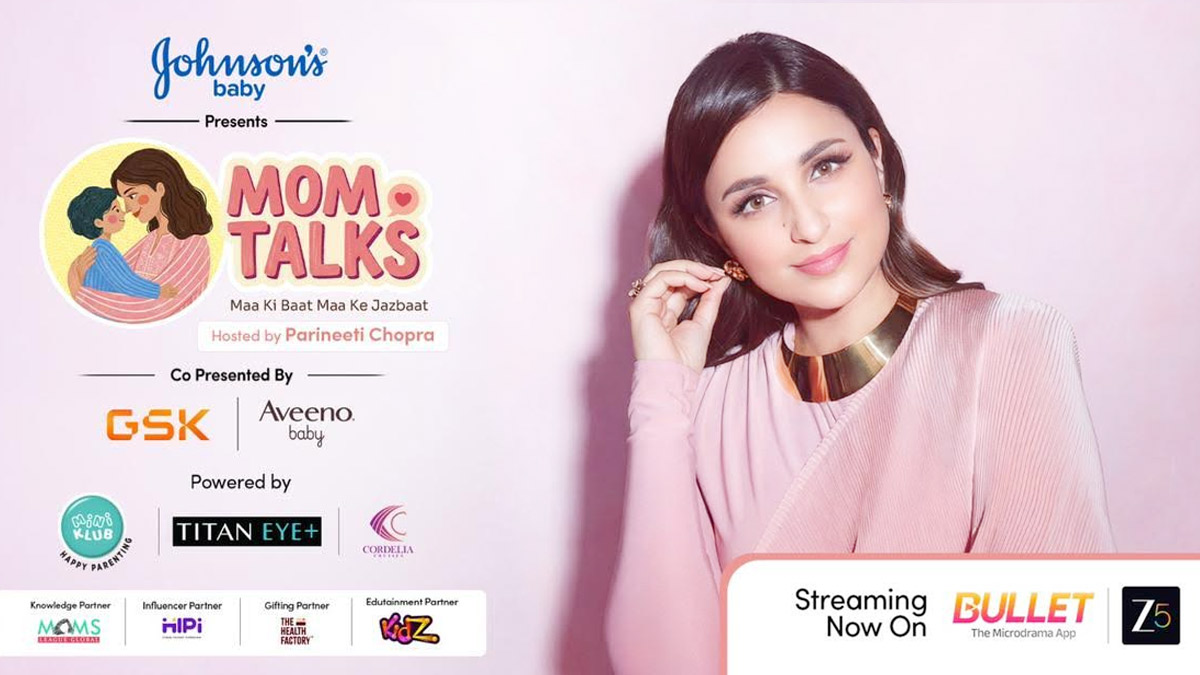
MUMBAI: Parineeti Chopra is stepping into a brand-new role not on the big screen, but as the warm, relatable host helping parents navigate the beautiful chaos of raising children. Bullet microdrama and Zee5 have announced the launch of Mom Talks, a fresh content-led IP hosted by the popular actress. The 9-episode series brings together celebrity parents including Imran Khan, Neha Dhupia, Vikrant Massey & Sheetal, and Gauahar Khan & Zaid Darbar to share candid, real-life perspectives on everyday parenting.
Positioned as a high-engagement format, Mom Talks taps into the growing demand for authentic and credible parenting content. It also offers seamless, contextual integration opportunities for brands. The series is backed by a strong lineup of partners including Johnson’s Baby, GSK, Aveeno Baby, Mini Klub, Titan Eye+ and Cordelia Cruises.
Bullet microdrama app, co-founder & chief business officer Azim Lalani said the show exemplifies how content is evolving towards more rooted, sustained engagement. “It’s about bringing content that people come back to, while creating a natural space for brands to be part of the narrative,” he noted.
Mom Talks creator Bullet head of AVOD & partnerships Munaf Merchant explained the core idea, “We wanted to build a safe, honest, one-stop destination for parents seeking real answers to everyday questions.”
The first episodes will stream for free on ee5 AVOD starting 4 April 2026, with new episodes dropping every Friday and Saturday. The series will also be available on the Bullet microdrama app.
Speaking about their association, Peeyush Unikkat from Johnson’s Baby highlighted the brand’s focus on supporting modern parenting journeys, while Aakash Mehta from GSK emphasised the show’s role in making important health conversations more relatable for new parents.
In a digital space often filled with filtered perfection, Mom Talks promises something refreshingly real honest conversations, celebrity insights, and practical wisdom, all wrapped in Parineeti Chopra’s engaging presence. For Indian parents, this could be the parenting series they’ve been waiting to binge.






