News Broadcasting
Vivek Khanna becomes Group CEO at India Today

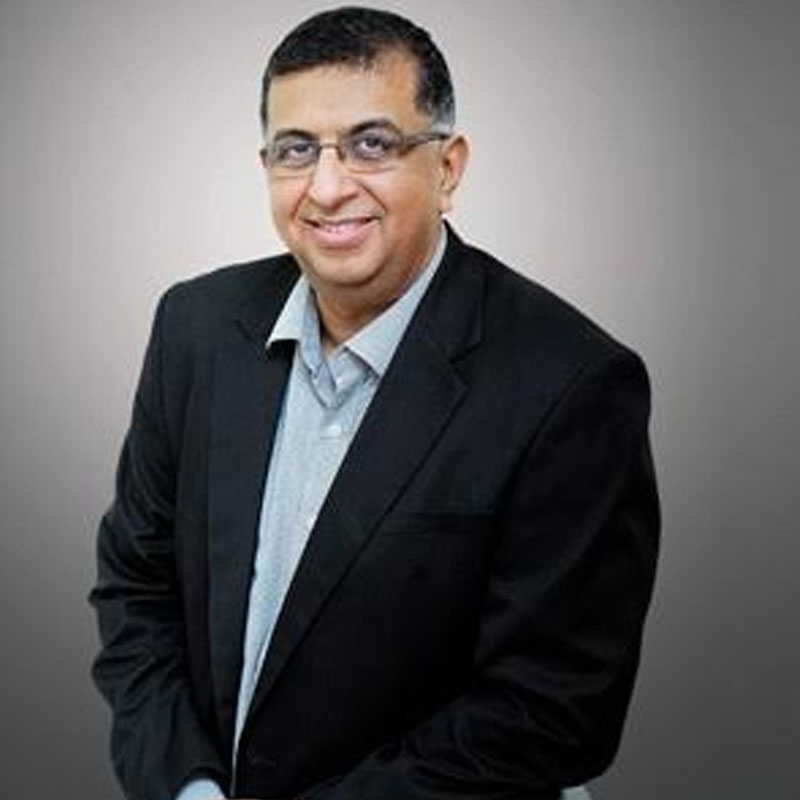
NEW DELHI: Vivek Khanna, former chief executive officer of Hindustan Media Ventures, has come on board the India Today Group as its Group CEO. He will report to vice chairperson Kalli Purie, who recently announced the growth of the group by launching seven mobile channels.
The news was announced to the employees by group chairman and editor-in-chief Aroon Purie in an internal communication this morning: “I am excited about Vivek joining us. With his background plus track record and our bench strength, I am confident he will bring structure, process discipline and marketing muscle to our creative genius so we can scale new heights. In all of you, I know I have the best team in the industry which makes me so proud. Now with the new leadership in place, I look forward to a year of exponential growth.”
Purie added that “Apart from his strategic thinking and marketing expertise, I have selected Vivek because he is a ‘people’ person. He has an inclusive style of leadership, works hard and with passion, is goal oriented, pays attention to details, and builds teams. He believes that the right person in the right job is the only formula for good decisions, growth, and organisational success. Like me, Vivek leads from the trenches. He is known for personally going out to close partnerships and service clients.”

Vivek comes with 26 years of solid experience in strategy, sales, and marketing. An alumnus of IIM Ahmedabad, Vivek began his career with Hindustan Unilever and Aviva Life Insurance. He moved to HT Media in 2008. Since 2013, he has been the CEO of Hindustan Media Ventures.
Aroon Purie said Vivek’s most impressive accomplishments include the turnaround of HT products and brands. Last year, Hindustan Media Ventures was ranked amongst the top five fastest growing listed companies in India. He grew the advertising revenue of Hindustan by 14 per cent between 2013 and 2016; this was 4-10 per cent faster than competition.
Operating EBITDA grew at more than 30 per cent per annum in this period. Circulation of the newspaper increased by over 30 per cent. The top line increased from Rs 6 billion to Rs 10 billion and the company’s market cap doubled to over Rs 20 billion.
Also Read:
India Today launches 7 mobile-specific niche channels
India Today’s Purie says new vice chairperson Kalli has ability to straddle edit and biz functions





News Broadcasting
UDF poised to return to power in Kerala, says Manorama-CVoter survey
Massive opinion poll projects shift in Kerala politics ahead of 2026 Assembly elections.
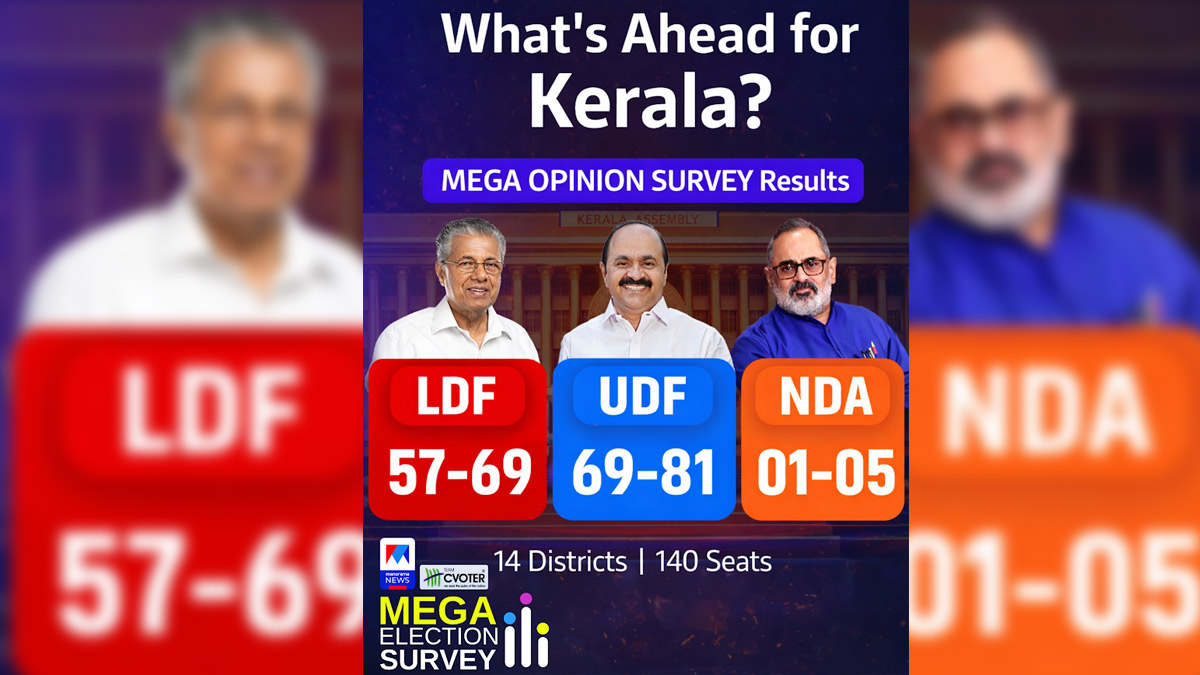
MUMBAI: The winds of change appear to be blowing through Kerala’s political landscape and this time, they seem to favour the United Democratic Front. A comprehensive mega opinion survey conducted by Manorama News in partnership with CVoter projects a potential comeback for the UDF in the upcoming Kerala Legislative Assembly Elections 2026. The survey, covering all 140 constituencies with a massive sample size of nearly 90,000 respondents, predicts the UDF could win between 69 and 81 seats.
The ruling Left Democratic Front (LDF) is expected to secure 57 to 69 seats, a significant drop from the 99 seats it won in the 2021 elections. This would mean the LDF losing 30 to 42 of its sitting seats. Meanwhile, the National Democratic Alliance (NDA), which drew a blank in 2021, is projected to open its account with 1 to 5 seats.
Region-wise, the UDF is expected to make strong gains in Malabar, winning 25 to 34 out of 48 seats, and in Central Kerala, where it could bag 29 to 33 out of 53 seats. In South Kerala, the LDF is likely to retain an edge with 21 to 25 seats, while the UDF may improve to 12 to 16 seats. The NDA could pick up 1 to 3 seats in the southern region.
The survey was conducted between 14 and 26 March 2026, with additional tracker and snap polls carried out from December 2025 to March 2026. A total of 89,693 respondents participated, ensuring representation across all demographics and social segments.
Manorama News has a strong track record of accuracy, with its previous projections closely matching the actual results of the 2019 and 2024 Lok Sabha elections as well as the 2021 Kerala Assembly polls.
In Kerala’s famously fierce political battles, this survey suggests the pendulum may be swinging back. Whether the final verdict matches these numbers or throws up another surprise, one thing is clear, the 2026 Assembly elections are shaping up to be one of the most keenly watched contests in the state’s history.






