iWorld
Virtual shopping spree: How augmented reality on social media enhances the retail experience


Mumbai: Nowadays, convenience is paramount when it comes to shopping. Consumers want an easy way to try on clothes, visualize how furniture will look in their homes, and generally “try before they buy.” Thanks to augmented reality (AR) technology, these immersive experiences are increasingly prevalent across the retail space.
AR allows brands and retailers to introduce engaging new shopping experiences like virtual fitting rooms, digital try-ons, and color-matching for everything from paint to makeup to hair dye. By implementing AR, customers no longer need to physically try on items or second-guess how a purchase will look in their space. It eliminates the uncertainty of shopping.
Ultimately, AR reduces product returns, increases customer engagement, and fosters long-term brand loyalty. According to research by G2, 61% of consumers prefer retailers offering AR experiences. It is no surprise retail accounted for 5% of global AR usage in 2022, with that number continuing to grow each year. Snapchat even predicts nearly 75% of the global population will frequently use AR for shopping by 2025.

Brands worldwide are using AR to create targeted marketing campaigns, boost engagement, and deliver personalized shopping journeys. For example, Nike’s AR app Nike Fit lets users measure their feet to find the perfect shoe size and visualize how different sneaker styles and colors look on their feet. The app improves sizing accuracy by 60% and reduces returns by 50%.
Similarly, Converse’s Sampler app enables shoppers to virtually try on hundreds of shoe styles from multiple angles using their smartphone camera. This immersive experience has increased conversion rates by 30% and time spent in the app by 50%.
So, what are the key benefits of AR in retail?
Reduced Returns
Allowing customers to virtually try before buying dramatically cuts down on product returns and related costs for retailers.
Increased Engagement
Shoppers can experiment with makeup shades, try on eyeglasses, and visualize outfits without lifting a finger, keeping them actively engaged with brands and products.
Enhanced Loyalty
Delivering seamless, personalized shopping experiences builds lasting customer loyalty and repeat business.
Valuable Data
Brands gain insights into customer sizes, preferences, and behaviors to inform inventory and marketing decisions.
Boosted Sales
Customers are more likely to purchase items they can confidently preview in a realistic setting.
Leading brands are finding innovative ways to integrate AR into the retail experience across channels:
Color Matching
AR helps match paint colors, cosmetics, and more to a customer’s surroundings or skin tone by overlaying the shade onto a photo for an accurate preview.
Virtual Fitting Rooms
Brands like Gucci use AR to let shoppers virtually try on clothing items to find the right size, fit, and style from the comfort of home.
Interactive Displays
In-store AR displays allow customers to browse extended product catalogs, personalize items, and ensure a great fit or shade match.
Virtual Try-Ons
Similar to fitting rooms, AR lets shoppers virtually try on accessories like eyeglasses or hats before purchasing. Warby Parker’s app uploads a selfie to preview frames.
Space Visualization
Customers can use AR to envision how large furniture pieces will look and fit in a room versus relying on guesswork.
Gamified Engagement
Starbucks has used AR to engage customers by letting them scan cups to unlock animated scenes, encouraging brand interaction.
As this technology continues evolving, augmented reality shopping experiences are set to become the standard. Several companies are already implementing AR throughout the customer journey to deepen connections and redefine what is possible in retail.
The following article is attributed to Vosmos CEO Piyush Gupta.




iWorld
OpenAI hits back at Elon Musk’s lawsuit ahead of trial
Company calls claims “baseless” and accuses Musk of trying to disrupt a rival.
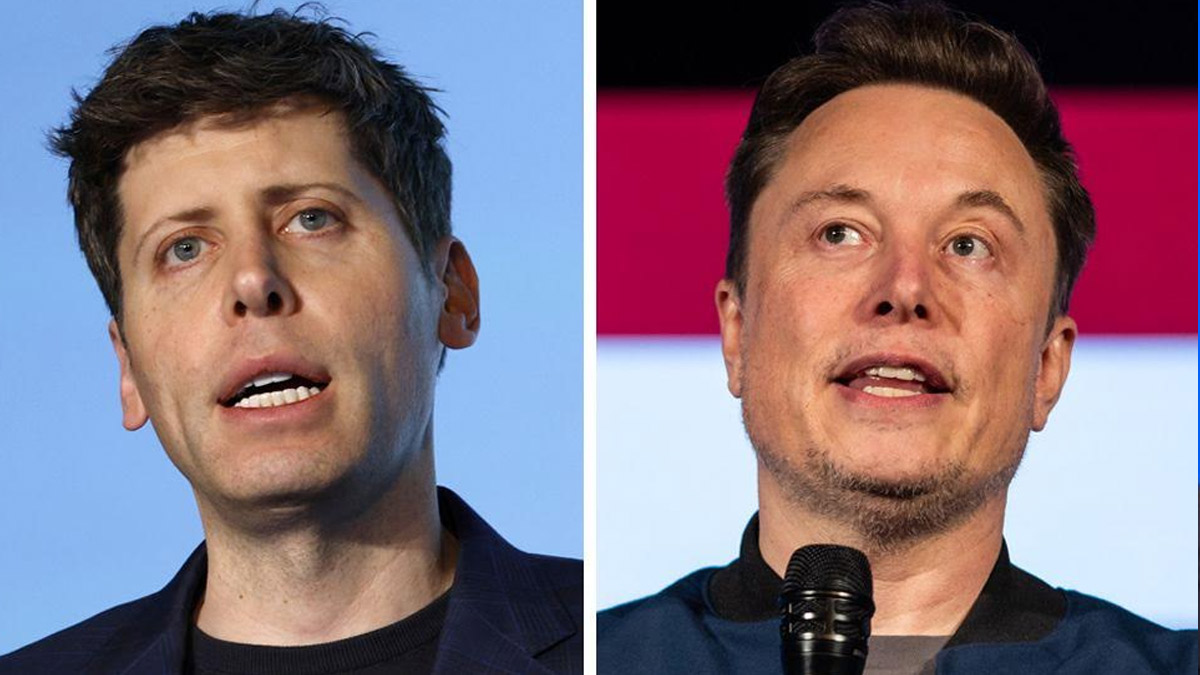
MUMBAI: When the stakes are measured in billions and egos are involved, even Silicon Valley titans can turn a courtroom into a battlefield. OpenAI has issued a sharp public response to Elon Musk’s ongoing lawsuit, accusing the billionaire of filing the case to harass a competitor rather than address genuine concerns. In a strongly worded statement shared on its official X account, OpenAI described Musk’s allegations as “baseless” and suggested the lawsuit is an attempt to disrupt the company as the case heads toward trial later this month in Oakland, California.
The response comes after Musk’s legal team recently amended the complaint, proposing that any damages potentially exceeding $150 billion should go to OpenAI’s nonprofit entity rather than to Musk personally. OpenAI questioned the timing and motive behind this change, calling it a late-stage attempt to “pretend to change his tune” on the nonprofit structure.
The company further labelled the lawsuit a “harassment campaign”, arguing that Musk’s actions are driven by personal rivalry, ego, and a desire for greater control and financial upside.
At the heart of the dispute is Musk’s claim that OpenAI has abandoned its original nonprofit mission of developing artificial intelligence for the benefit of humanity. A co-founder who left in 2018, Musk is seeking governance changes, including the removal of CEO Sam Altman from the nonprofit board, and the return of certain financial gains linked to Altman and President Greg Brockman.
OpenAI has firmly rejected these allegations, maintaining that its current hybrid structure, a public-benefit corporation overseen by a nonprofit parent remains true to its long-term goals. The company has also previously accused Musk of anti-competitive behaviour aimed at weakening its leadership.
As the case prepares for a jury trial, this public exchange highlights the deepening rift between two of the most influential figures in the AI revolution and raises broader questions about governance, mission, and power in the fast-moving world of artificial intelligence.
In the high-stakes game of AI, it seems the real drama isn’t just inside the models, it’s playing out in courtrooms too.






