News Broadcasting
Vinod Dua to head all Sahara news operations


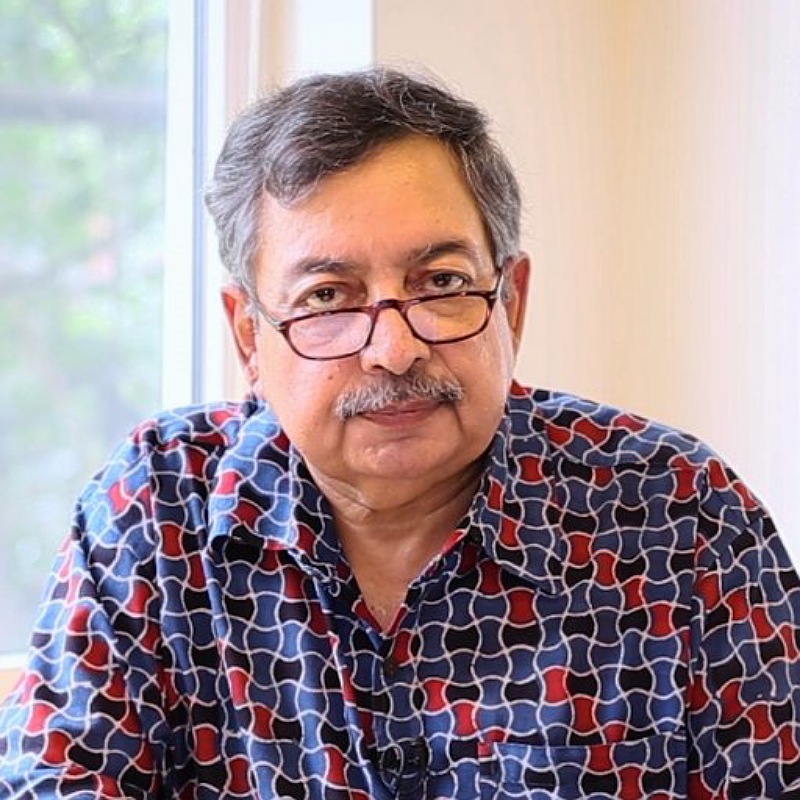
NEW DELHI: In a swift and major reshuffle of work responsibilities, the Subrata Roy-promoted diversified Sahara India group has brought in ace TV personality Vinod Dua as a consultant and co-ordinator of all proposed news operations, including the various state-specific news channels.
The independent heads of the proposed news channels like Prabhat Dabral, Arup Ghosh and Rajiv Bajaj will now report to Dua who, according to company sources, will also be co-ordinating the financial and other aspects of the up and coming news channels. Dua, in turn, will report to the promoter family and Sumit Roy, in particular, who is the head of Sahara groups entire media and entertainment activities.
Confirming the move, when contacted, Dua told indiantelevision.com, “Yes, I have been entrusted with co-ordinating the work and putting in place the infrastructure for the seven (proposed) news channels at least.”

However, Dua also added that “it was an honorary post” which is the reason as to why he would not like to specify any designation.
Though Dua insisted that his was an honorary responsibility, TV industry sources indicated that he will receive a hefty remuneration packet which equals the pay packet of any other CEO of media companies like Zee Telefilms.
The changes that were effected on Monday were the result of a meeting on Saturday in Lucknow of the bigwigs from Sahara group.
Though the exact reason for the move to bring in Dua over Ghosh, Dabral and Bajaj, effectively curtailing the powers of the three up to a certain extent, is not immediately known, but Sahara insiders indicate that there was resentment amongst the employees of Sahara over the functioning style of the various channel heads.
A source went to the extent of saying that “differences also existed between various channel heads” who had powers to recruit too.
While Dabral, a former Doordarshan reporter, is the head of news channels meant for Uttar Pradesh, Madhya Pradesh, Rajasthan and Bihar, Ghosh, a former NDTV star anchor, is the head of the proposed national channel. Bajaj, a former print medium journalist, is the head for the Mumbai news channel.
Dua — one of the first products of Indian television news along with Prannoy Roy during the good old days of Doordarshan — in recent times has been doing news and current affairs (N&CA) shows for Sahara channel which, at present, is a mish-mash of entertainment and N&CA programming.
The three channels which are expected to first get off the block from the Sahara stable early next year (Republic Day, 26 January?) include the Sahara Samay UP, Sahara Samay Mumbai and Sahara Samay national.


News Broadcasting
CNN-News18 to host Fury in the Gulf conclave on West Asia crisis
Three-hour summit to unpack geopolitical fallout and impact on India
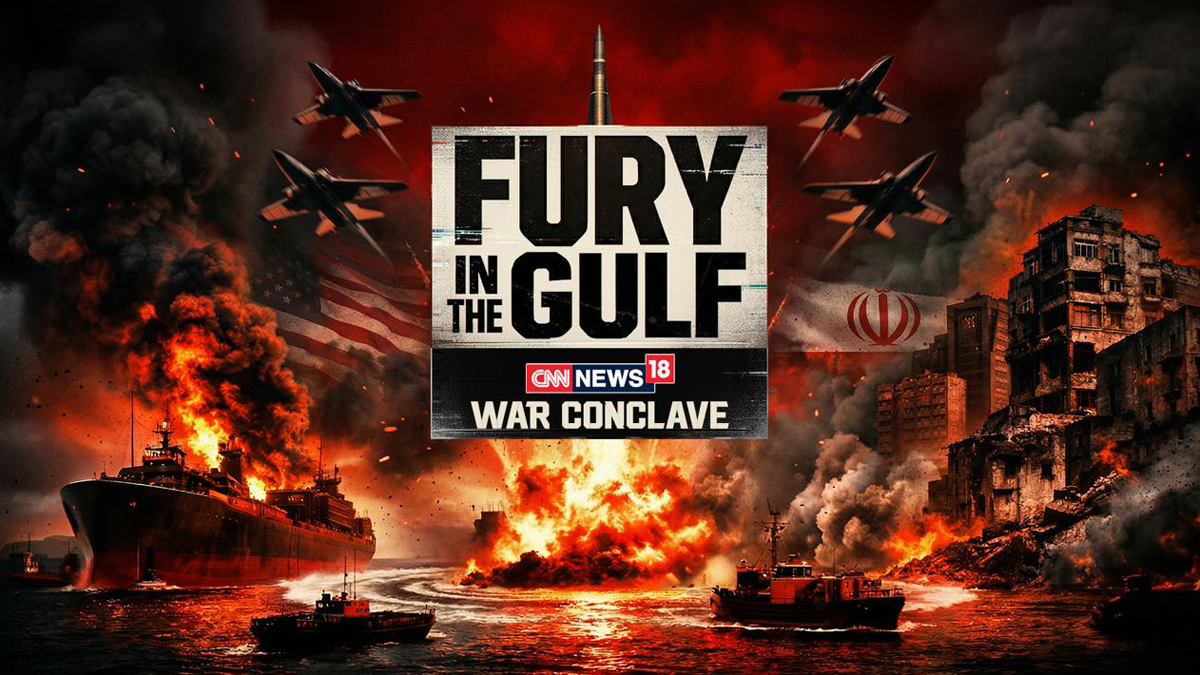
MUMBAI: CNN-News18 is set to host a special three-hour broadcast, Fury in the Gulf – War Conclave, on April 7, aiming to decode the escalating West Asia crisis and its far-reaching implications for India.
Scheduled from 4:00 PM to 7:00 PM, the conclave comes at a time when tensions between Iran and the United States are reshaping global geopolitics and triggering economic uncertainty. With India’s deep energy ties, trade links and large diaspora in the Gulf, the developments carry significant domestic relevance.
Built around the theme ‘Conflict, Consequences, and The Future,’ the programme will feature six curated sessions combining one-on-one interviews and panel discussions. The focus is to cut through the clutter and offer viewers a clearer understanding of the fast-evolving situation.
Key sessions include ‘Diplomacy in Times of War’ featuring Shashi Tharoor, and ‘World After the Iran Conflict’ with voices such as Ram Madhav, Reuven Azar, representatives from the European Union and the Iranian Deputy Envoy. Another session titled ‘Another Dunkirk?’ will bring together K. J. S. Dhillon and Jitin Prasada among others.
CNN-News18 editorial affairs director Rahul Shivshankar said, “In times of war, clarity becomes the most powerful tool. Fury in the Gulf – War Conclave brings together credible voices to address the questions and confusion that arise amid an overwhelming influx of information.”
He added that the initiative is aimed at delivering “facts, perspective, and insight” at a time when misinformation can easily cloud public understanding.
Echoing the sentiment, CNN-News18 CEO– English and business news Smriti Mehra said the conflict marks a defining global moment, with consequences that extend well beyond the region. She noted that the conclave seeks to present the crisis with “depth, nuance and responsibility” so audiences can better grasp its real-world impact.
As geopolitical tensions continue to dominate headlines, the conclave positions itself as an attempt to bring order to the noise, offering viewers a structured, insight-led look at a complex and rapidly shifting global situation.






