Hollywood
Vin Diesel inks first-look deal with Universal Television


MUMBAI: Vin Diesel’s One Race Television is partnering with Universal Television on a multi-year, first-look production deal.
One Race, founded in 1995 by writer, director, producer and actor Diesel, has produced the four highest-grossing films in the seven film Fast franchise — Furious 7, Fast and Furious 6, Fast Five as well as Fast & Furious. The franchise has earned $3.9 billion at the worldwide box-office. He has directed Multifacial, Strays and Los Bandoleros.

Previously, One Race launched multiple franchises in the action genre, including the science-fiction thriller Pitch Black and the two follow-up films, Chronicles of Riddick and Riddick, along with the hit xXx and the follow up xXx: Return of Xander Cage, in pre-production now. Diesel’s business acumen also extends to the gaming universe, where his Tigon Studios produced three critically acclaimed console titles including Chronicles of Riddick: Escape from Butcher Bay and original property The Wheelman.
One of the first offerings going to market will be a television series complement to Diesel and writer/director David Twohy’s highly successful sci-fi franchise, Riddick.
“In addition to being a huge star for our feature division, Vin is a true creative force as a producer. After sitting down with him and his team at One Race Television, it’s clear he will now also be an incredible asset to both the network and our television studio. We feel really fortunate to be in business with, not only an international powerhouse, but a truly thoughtful and passionate producer,” said NBC Entertainment president Jennifer Salke.
Diesel has hired industry veteran and former Fox Broadcasting Co senior vice president – event series Shana C. Waterman as head of television. Waterman will oversee development and production under this multi-year, first-look deal.
“I have dreamt about expanding the One Race brand into television and now we’ve found the perfect creative partners in Bob, Jen and the team at Universal Television,” Diesel said. “Shana is an incredible addition to this team.”
“I’m incredibly excited to join the exceptionally smart, innovative team Vin’s built at One Race,” Waterman said. “Both he and fellow producer Samantha Vincent, alongside their partners at Universal, have grown a formidable global brand ready-made for this diverse and highly creative time in the world of television.”







Hollywood
Paramount eyes $24bn Gulf support to fund Warner Bros Discovery merger: Reports
Sovereign funds line up funding as media giants chase streaming scale
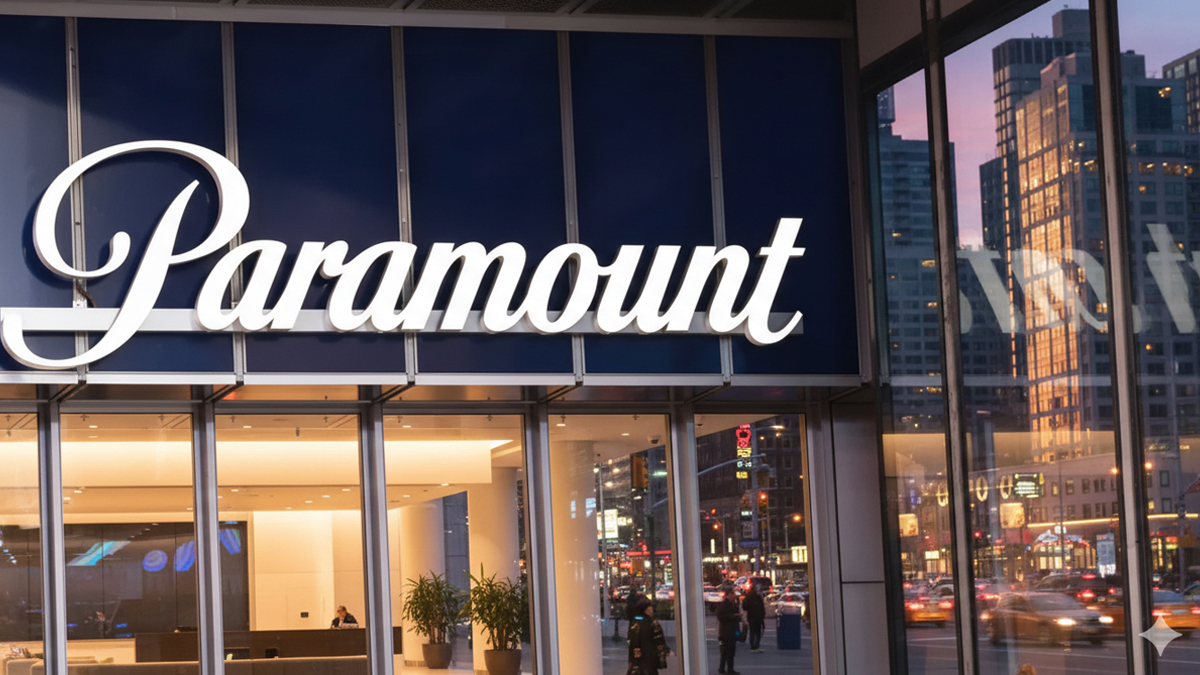
NEW YORK: Paramount Skydance is in talks to secure nearly $24 billion in equity commitments from Gulf sovereign wealth funds to support its planned takeover of Warner Bros. Discovery, according to a WSJ report.
The funding push comes as Paramount Skydance advances its proposed $110 billion deal for Warner Bros. Discovery, which carries an equity valuation of $81 billion and is expected to close in the third quarter of 2026.
At the heart of the financing plan are three major Gulf investors. Saudi Arabia’s Public Investment Fund is expected to contribute roughly $10 billion, while the Qatar Investment Authority and Abu Dhabi-based L’imad Holding are likely to make up the remainder.
Crucially, the proposed investments are structured as non-voting stakes. This means the Gulf backers would not have direct control in the combined entity, a move designed to ease regulatory concerns in the United States. Paramount executives reportedly do not expect the deal to trigger scrutiny from bodies such as the Committee on Foreign Investment in the United States or the Federal Communications Commission.
If completed, the merger would bring together a formidable portfolio of entertainment and news assets, including CNN and CBS. The combined entity aims to better compete in a fast-evolving media landscape where streaming platforms are steadily pulling audiences away from traditional television.
The deal reflects a broader shift in global media, where scale is increasingly seen as essential to survive the streaming wars. By pooling content libraries, technology and distribution, Paramount Skydance and Warner Bros. Discovery are betting on size and synergy to drive future growth.
The involvement of deep-pocketed Gulf investors also underscores the growing role of sovereign wealth in shaping global media consolidation, particularly at a time when high-value deals demand equally large financial backing.
With shareholder votes and regulatory milestones still ahead, the proposed tie-up remains one of the most closely watched media deals of the year. If it clears the final hurdles, it could redraw the competitive map of the global entertainment industry.






