iWorld
Vice explores India’s gully rap in first documentary for Voot


MUMBAI: Vice India, a leading youth media brand for the first time has produced a documentary on the gully rap scenario in India named Kya Bolta Bantai for the video on demand platform by Viacom18, Voot. Vice India’s first 30-minute standalone long form documentary charts the evolution of gully rap – an emerging genre of music that is slowly gaining momentum and entering the mainstream, being co-opted by Bollywood and other commercial ventures.
Kya Bolta Bantai is directed by Naman Saraiya and explores the journey of gully rap through the perspective of pioneers, including crew members such as Dopeadelicz, Swadesi and spoof rappers Gari-B, of comedy collective Tadpatri Talkies.
This partnership comes as part of the company’s “off-platform” strategy after the announcement of full-scale operations under the Vice.com banner in April this year, to allow its select original as well as partner content to be hosted and promoted to viewers across multiple destinations in the digital ecosystem. For instance, Kanchenjunga Calling, a series that explores the journey of a real-life hero Arjun Vajpai as he attempts to climb Mt Kangchenjunga. Vice India’s first foray into partner content creation in India with Mountain Dew, PepsiCo, is also being distributed on Voot as part of this deal.

“It is our endeavour as a full-scale media company to be omnipresent; establish strategic partnerships to take what we create to an environment where the relevant viewers are already consuming rich content. Kya Bolta Bantai is an attempt to create content that is relatable to the youth of the country in a unique format of storytelling that is true to the pulse of not only Mumbai, but our country at large,” said Vice India CEO Chanpreet Arora as quoted by Dailyhunt.
Vice India has been producing local video and editorial content on various topics such as food, music, politics, sports, sex, identity, nightlife, arts, and comedy, in partnership with relevant influencers, brands and artists in the country. In the coming month, it will focus on covering sex-positive stories about sexual identities, sex toys, sex art, and more in India under the banner of ‘The VICE Guide to Sex in India’.
Also reads:
Voot sets its sights on regional & premium ad-free content
VICE India hires Pragya Tiwari as content head and OML’s Samira Kanwar as head – video
Chanpreet Arora appointed CEO of Vice Media India

Gaming
Nodwin Gaming partners with Runestone for esports data and integrity solutions
South Asian esports leader joins forces with Czech tech firm to enhance tournament operations.
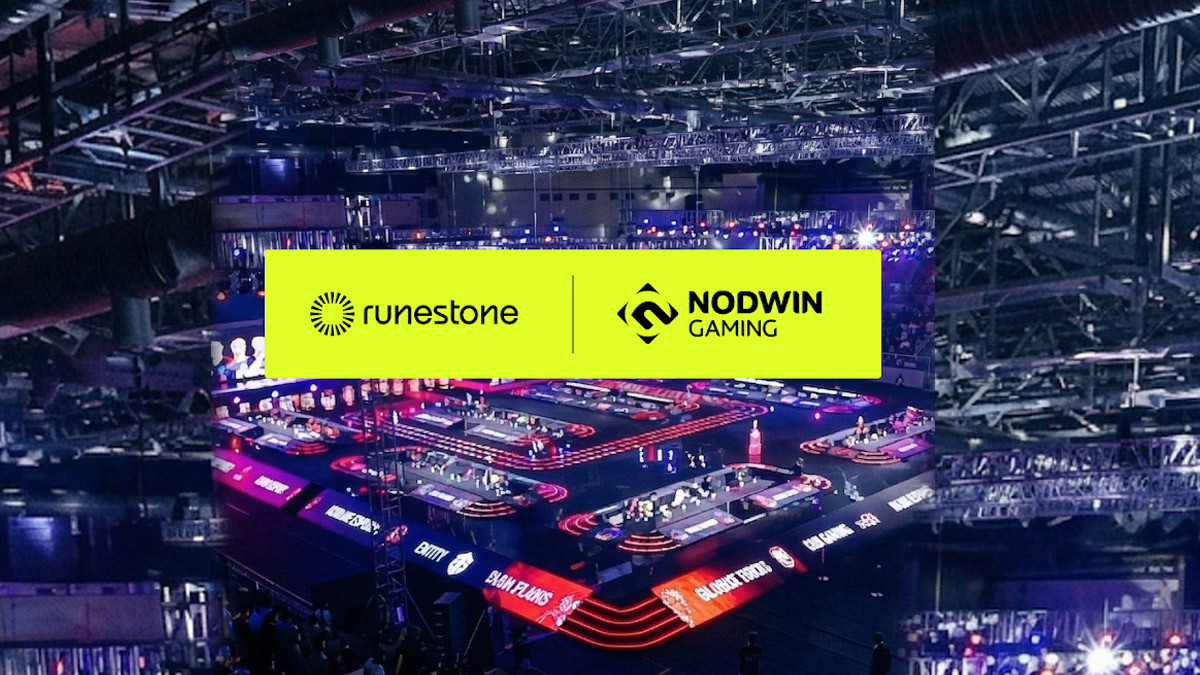
MUMBAI: Nodwin Gaming has just levelled up its game by bringing in a specialist to keep the scoreboard honest and the fans fully engaged. The leading South Asian esports and gaming company has announced a strategic partnership with Runestone, a Prague-headquartered esports technology firm specialising in real-time data and engagement solutions for tournament organisers and publishers.
The collaboration aims to strengthen competitive integrity, improve operational oversight, and deliver more interactive viewing experiences across Nodwin’s properties. It will initially focus on the Nodwin Clutch Series for Counter-Strike 2, a Tier 2 tournament that provides emerging teams with consistent competitive opportunities and helps build the talent pipeline.
The latest edition of the series recently concluded with Big defeating ECSTATIC 2–1 in the grand final of the $50,000 online event.
Nodwin Gaming chief business officer at MENA and global head of data monetization Teemu Koski said, “Integrity and transparency are fundamental to sustainable esports ecosystems, especially in Tier 2 competition where the next generation of talent emerges. Runestone’s expertise complements our experience in building scalable esports IPs.”
Runestone head of partnerships Michael Schwartz added, “Nodwin Gaming has built one of the most dynamic esports ecosystems across emerging markets. We’re thrilled to collaborate on supporting tournaments with greater transparency, deeper fan interaction, and scalable tools.”
Both companies are exploring opportunities to extend the partnership across additional titles, including mobile-first competitive ecosystems, and to develop new products for publishers, tournament operators, and event promoters.
In the rapidly growing world of esports, where fair play and fan excitement are equally crucial, Nodwin Gaming and Runestone are teaming up to ensure every match is not only competitive but also transparent and engaging. This alliance could well become a game-changer for Tier 2 tournaments across South Asia and beyond.







