News Broadcasting
Unsung television shows shine at RAPA awards

MUMBAI: It was time for the backroom professionals in the glamourous business of advertising, television and radio to take centrestage at the 28th RAPA (Radio & TV Advertising Practitioners’ Association of India) All India awards held in Mumbai on 7 June.
Interestingly apart from Monish Behl getting the Sheel Kumar Trophy for the best performance on TV for the hospital soap Sanjeevani on Star Plus the Murdoch broadcaster got nothing. On the other hand multiple shows of its arch rivals Zee and Sony were cited. There was good news at last for the biggest flop of 2001 Kahin Na Kahin Koi Hain. the Madhuri Dixit show which ended with a whimper on SET bagged three awards for art direction in a TV programme, for its catchy title song and for singing in a title song. Another flop from 2001 the costly medical series Dhadkan was recognised for its camerawork.
There was also good news for production house BAG Films. Its non fiction programme Haqeeqat for Sahara TV got kudos. Zee’s chat shows Jeena Isi Ka Naam Hai and Simply Shekhar were recognised. Its soap Saanjhi stole a march over the likes of Kyunki Saas… The Alva’s film based show Kuch Yaadein Kuch Baatein. was also cited.

Aaj Tak continued gaining momentum in an increasingly crowded news channel environment. It won the best media campaign and soft story awards. The communication objective of the TVC campaign was to showcase Aaj Tak’s position as an eye-opener and opinion creator through relevant and credible news. The concept of the advertisement had to appeal to the viewers, and since humour has universal appeal, Aaj Tak looked at situations where it could bring out this serious facet of the brand with an underlying sense of humour.
RAPA is one of the only fora that honours excellence in radio and television in multiple languages (17 of them) in 51 categories. However, this year’s awards ceremony was low-key and the Taj Land’s End Ballroom wasn’t really packed. The CEOs of the channels were conspicuous by their absence.
The following list contains some of the notable winners:
Television channels related awards
Programmes
Kind of Programme Name Channel/ creators
Marathi TV programme for children Mee ani Aai solid team ETV Marathi
Marathi TV programme (soap) Bedhund Manachya Lahari Happenings
Marathi TV programme (non fiction) Gomanta Soudamini DD Sahyadri
Marathi TV programme (talk or chat show) Samvaad ETV Marathi
Marathi TV programme (script) Pimpalpaan Alpha Marathi
Hindi TV programme (talk or chat show) Jeena Isi Ka Naam Hai Zee Telefilms
Hindi TV programme (soap) Saanjhi Zee Telefilms
Hindi TV programme (comedy) Office Office Rajiv Mehta and Amit Mehra
Hindi TV programme (film based) Kuch Yaadein Kuch Baatein Miditech
Hindi TV programme (mystery/thriller/suspense) CID SET
Hindi TV programme (non fiction) Haqeeqat BAG Films on Sahara TV
Hindi TV programme (script) CID Shridhar Raghavan of Fireworks Productions
Assamese TV programme (non fiction) Bideshat Apun Manuh Sangita
TV programmes ancillary functions
Category Name of show Creator
Anchoring TV show Simply Shekhar Shekhar Suman on Zee TV
Art direction in a TV programme Kahin Na Kahin Koi Hai Nitin Desai on SET
Camera work (documentary) Dhadkan Sachin Kumar for SET
Composition of a TV title song Kahin Na Kahin Koi Hai Shankar Ehsaan Loy for SET
Digital Visual Effects Discover the spirit within BK Prashant for Om Shanti Channel
Direction (documentary) Into the Abyss Vandana Kohli
Direction (TV programme) Haqeeqat Saurabh Usha Narang on Sahara TV
Music video Aika dajiba Sarika Music
Promos (feature films) Jhankar Beats PNC
Singing (TV title song) Kahin Na Kahin Koi Hai Mahalaxmi for SET
TV News (soft story) Rameshwaram se Rashtrapati Bhavan Tak Aaj Tak and TV Today Network
Telecast of Live Programme Sansui Awards PNC
Advertising
Category Name Agency
Tamil Telefilm Arokya Milk Procurement Sasi Advertising
Kannada TV programme (script) Kalyani Sivannadam N
Malayalam TV programme (script) Sancharam AU Ratheesh Kumar
Telugu TV programme (script) Vellugu Needulu Om Telefilms
Advertising on TV
Kind of TVC Name of TVC Agency
English Coca Cola (Soni Kudi) McCann Erickson
Malayalam Anchorwire-electrician Art Advertising
Tamil Spic Urea Fine Frames Productions
English (product promo, image promo) Arrupukotai Sri Ramalinga Food Products Sasi Advertising
Marathi script for TV jingle Josh Nava Jallosh Nava director general DGIPR Maharashtra government
Hindi script for TV spot Coca Cola (Soni Kudi) Prasoon Joshi of McCann Erickson
Camera work for an ad film Fem Natarajan Subramanium
Composition for a TV jingle Fem Shantanu Moitra of Apocalypso
Production house of the year N.A. Apocalypso Filmworks
Public service advertising on TV Anti smoking Doordarshan (Sahyadri Mumbai)




News Broadcasting
CNN-News18 to host Fury in the Gulf conclave on West Asia crisis
Three-hour summit to unpack geopolitical fallout and impact on India
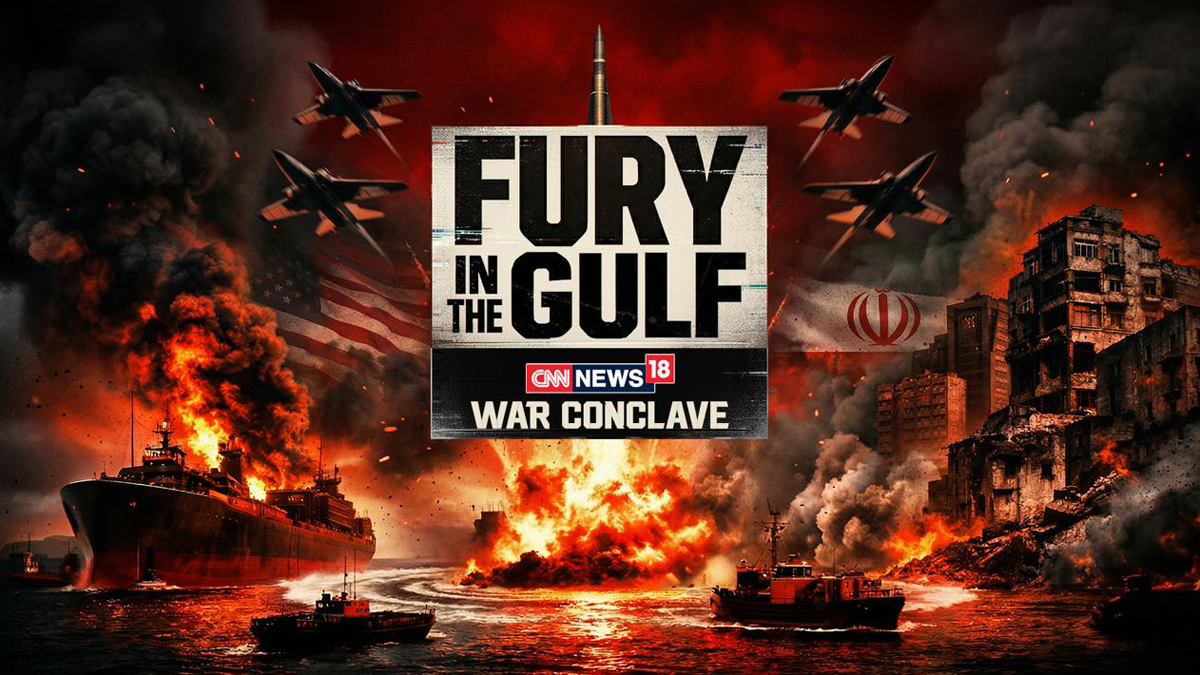
MUMBAI: CNN-News18 is set to host a special three-hour broadcast, Fury in the Gulf – War Conclave, on April 7, aiming to decode the escalating West Asia crisis and its far-reaching implications for India.
Scheduled from 4:00 PM to 7:00 PM, the conclave comes at a time when tensions between Iran and the United States are reshaping global geopolitics and triggering economic uncertainty. With India’s deep energy ties, trade links and large diaspora in the Gulf, the developments carry significant domestic relevance.
Built around the theme ‘Conflict, Consequences, and The Future,’ the programme will feature six curated sessions combining one-on-one interviews and panel discussions. The focus is to cut through the clutter and offer viewers a clearer understanding of the fast-evolving situation.
Key sessions include ‘Diplomacy in Times of War’ featuring Shashi Tharoor, and ‘World After the Iran Conflict’ with voices such as Ram Madhav, Reuven Azar, representatives from the European Union and the Iranian Deputy Envoy. Another session titled ‘Another Dunkirk?’ will bring together K. J. S. Dhillon and Jitin Prasada among others.
CNN-News18 editorial affairs director Rahul Shivshankar said, “In times of war, clarity becomes the most powerful tool. Fury in the Gulf – War Conclave brings together credible voices to address the questions and confusion that arise amid an overwhelming influx of information.”
He added that the initiative is aimed at delivering “facts, perspective, and insight” at a time when misinformation can easily cloud public understanding.
Echoing the sentiment, CNN-News18 CEO– English and business news Smriti Mehra said the conflict marks a defining global moment, with consequences that extend well beyond the region. She noted that the conclave seeks to present the crisis with “depth, nuance and responsibility” so audiences can better grasp its real-world impact.
As geopolitical tensions continue to dominate headlines, the conclave positions itself as an attempt to bring order to the noise, offering viewers a structured, insight-led look at a complex and rapidly shifting global situation.






