Hindi
Unique Tent theatre gives feel of early silent cinema halls

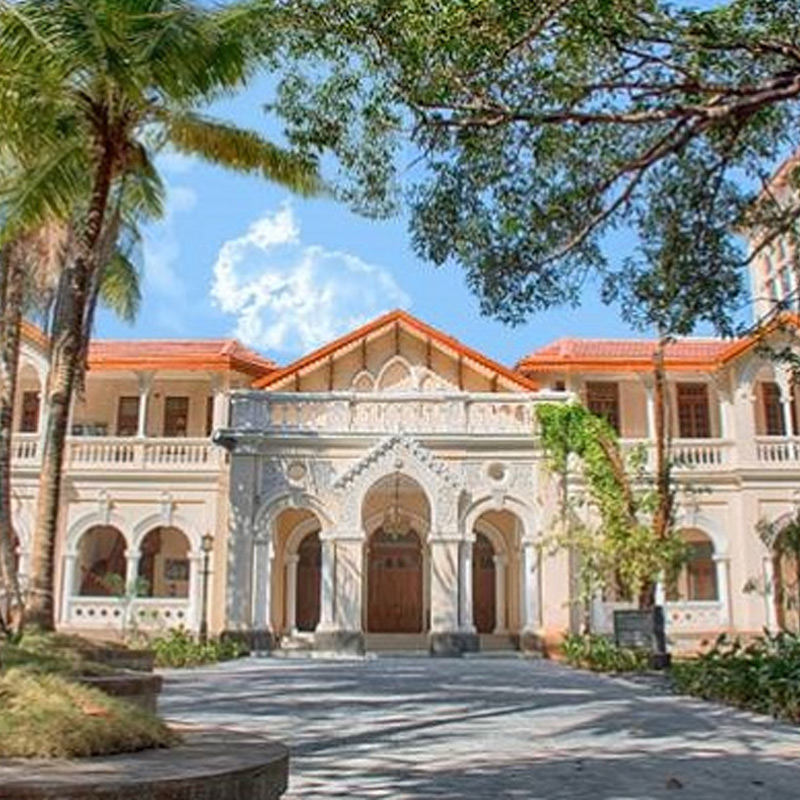
NEW DELHI: A unique aspect of the Centenary of Indian cinema held in the capital was a make-shift mini-theatre named ‘Thambu Cinema‘ and housed in a tent-shaped Gulshan Mahal in the lobby of the Siri Fort Auditorium. The Thambu Cinema saw houseful screenings everyday even though the films screened were all from the silent era. Gulshan Mahal is the name of the building in Mumbai in which the Museum of Cinematic Arts is coming up.
Film Division Zone‘s Picture Palace called Gulshan Mahal had a seating capacity of twenty five (on durries and benches) in a specially erected tent within the ambiance of the larger exhibition evoking an experience of the silent cinema. When the first moving pictures arrived, the world was not ready with cinema houses to show them, so tents were erected in open areas for the public at large. The tents were grandly called Picture Palaces, according to film historian Amrit Gangar who curated this section.
Jamshetji Framji Madan, a Parsi entrepreneur was fascinated by the new invention and he ordered projectors from Pathe. With the projectors he set up regular ‘bioscope‘ shows in tents at key points in Calcutta, including the Maidan. In Bombay‘s Azad Maidan also such tents were set up. While tents, cinemas in the cities were becoming fairly common, small towns and villages where most of Indian population lived, were untouched by the ‘new wonder‘. But soon tents reached there with travelling theatre companies. And so did the moving picture, the cinema.
One of the earliest itinerant showmen was Abdulally Essoofally, who in 1901, travelled from one Asian country to another. His travelling outfit included a projector, some cans of films, a folding screen and a tent. Sometime his tent was large enough to accommodate1000 people. Between 1908 and 1914, Abdulally‘s touring cinemas had covered most parts of India.

Some of the films shown were Shri Krishna Janma (1918), Lanka Dahan (1917), Kaliya Mardan; and Raja Harishchandra by the father of Indian cinema, D G Phalke; Gulami nu Patan (Fall of Slavery) (1931) by Shyam Sundar Agarwal; Banga Darshan, Diler Jigar (Gallant Hearts) (1931) by G P Pawar; The Light of Asia (1925) by Franz Osten; and two quickies Watan ki Abru and Hum Ek Hain.





Hindi
Remembering Gyan Sahay, the lens behind film, television and advertising
From a puppet rabbit selling poppadums to Hindi cinema, he framed it all.
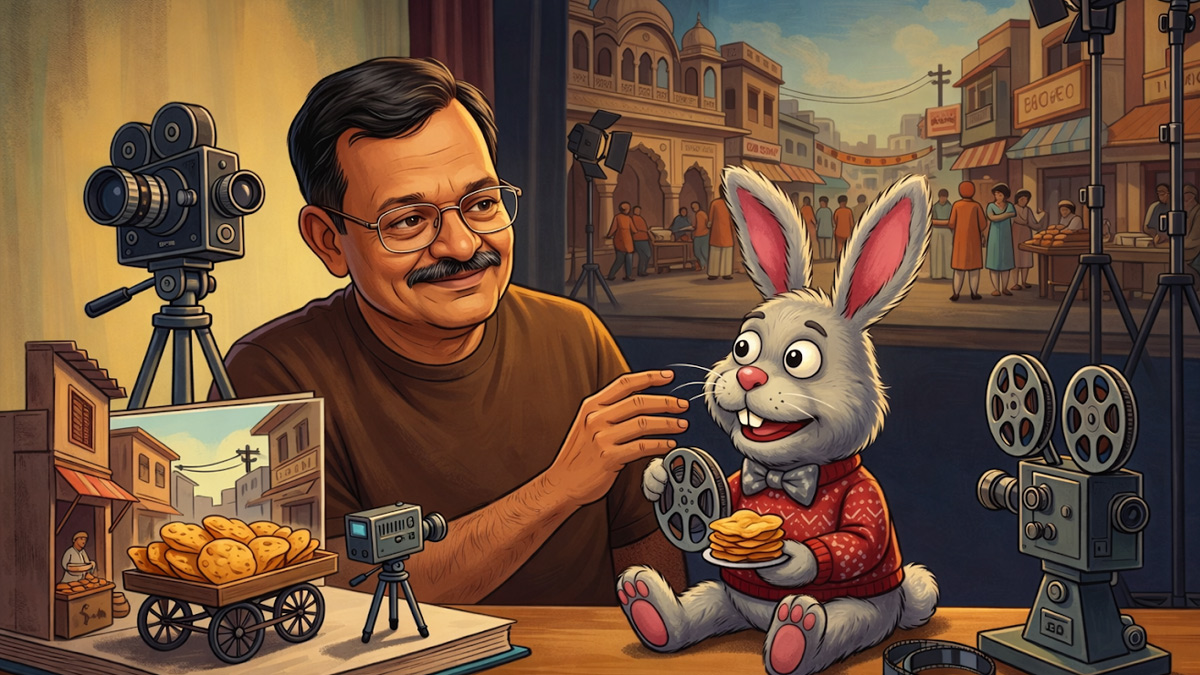
MUMBAI: There are careers, and then there are canvases. Gyan Sahay, the veteran cinematographer, director, and producer who passed away on 10 March 2026 in Mumbai, had one of the latter. Over several decades in the Indian film and television industry, he turned lenses, lights, and the occasional puppet rabbit into something approaching art.
A graduate of the Film and Television Institute of India (FTII) in Pune, Sahay built his reputation as a director of photography across a career that stretched from the early 1970s all the way to the digital age. He was the kind of craftsman who understood that a well-composed shot is not merely a technical achievement but a quiet act of storytelling.
For most Indians of a certain age, however, Sahay will forever be the man behind the rabbit. His direction of the iconic long-running television commercial for Lijjat Papad, featuring its now-legendary puppet bunny, gave the country one of its most cheerfully persistent advertising images. It was the sort of work that sneaks into the national subconscious and takes up permanent residence.
His big-screen credits as cinematographer include Anokhi Pehchan (1972), Pagli (1974), Pas de Deux (1981), and Hum Farishte Nahin (1988). In 1999, he stepped behind a different kind of camera altogether, making his directorial debut with Sar Ankhon Par, a drama that featured Vikas Bhalla and Shruti Ulfat, with a cameo by Shah Rukh Khan for good measure.
On television, Sahay was particularly prized for his command of multi-camera production setups, a skill that made him a go-to technician for large-scale shows and reality programmes. In an industry that has never been especially patient with complexity, he was the calm hand on the rig.
In later life, Sahay turned teacher. He participated regularly in masterclasses and Digi-Talks, often hosted by organisations such as Bharatiya Chitra Sadhna, sharing hard-won wisdom on cinematography, the comedy of timing in a shot, and the sweeping changes brought by the shift from celluloid to digital. He was also said to have been involved in a project concerning a biographical film on Infosys co-founder N.R. Narayana Murthy.
Tributes from the film industry poured in following the news of his passing, with colleagues remembering him as a senior cameraman who served as a rare bridge between two entirely different eras of Indian cinema. That is, perhaps, the finest thing one can say of any craftsman: he kept up, and he brought others along with him.







