News Broadcasting
TV9 Bharatvarsh CEO Barun Das fires back at NBA

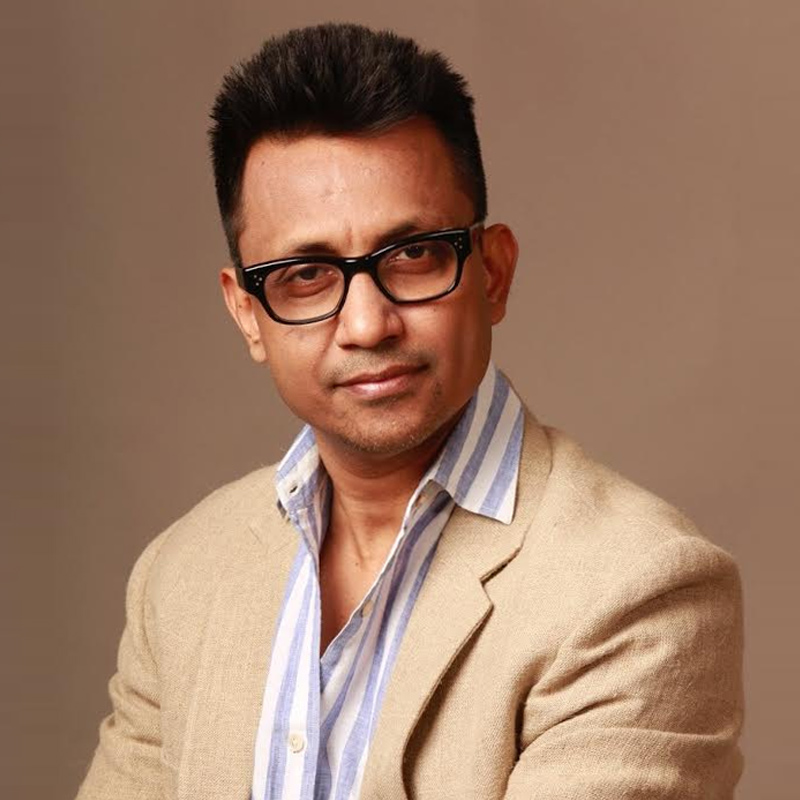
MUMBAI: The young and wiry-looking Barun Das is in a pretty belligerent mood. The CEO of Associated Broadcast Networks that runs the No 2 news channel in India TV9 Bharatvarsh has responded to the allegations that have been hurled against its meteoric rise by the News Broadcasters Association (NBA) to the Broadcast Audience Research Council (BARC).
In a release issued today, Das has stated that the NBA’s reasoning about TV9 Baratvarsh’s rise in ratings possibly reveals “a lack of basic understanding of the television news business. The fundamental reason behind our success is a concerted strategy of content, distribution and promotion aided by the astronomical rise in viewership during the early weeks of the lockdown.”
Das has added in the release that the NBA is incorrectly giving “credence to anonymous WhatsApp videos and messages doing the rounds to defame the TV9 network. These videos have already been dismissed as fake by BARC as per media reports. The network has already lodged an official complaint against this with the Telangana police.”

According to Das, there is no question of TV9 rigging viewership numbers as it was he who wrote to the NBA to suspend the viewership measurement of news channels on 22 March, two days before the lockdown, so that lives of journalists and camera persons would not be impacted by the coronavirus in the quest for ratings by the news channels.
His request was turned down by the NBA committee. “Now that TV9 Bharatvarsh has garnered the biggest share of the market during the pandemic, obviously the shoe is on the other foot,” he says.
Das has questioned if the NBA through these efforts is trying to coerce him to renew his membership of the association. “After much persuasion, we chose not to renew it in June and one month later we are in the NBA’s bad books,” he has alleged in the press release.
The 50-year-old executive who has seen many a battle in his previous associations with media companies such as Zee News, ABP News and India Today has said there are some allegations which the NBA has made against the TV9 network which are defamatory and they will be addressed in an appropriate manner very soon.
Earlier in the day, the NBA officially sent out a release asking third party intervention into BARC to investigate any hanky panky associated with TV9 Bharatvarsh’s sudden rise.
On 14 July, Das also got into a conversation with Indiantelevision.com group founder, CEO and editor in chief Anil Wanvari on all things related to news television and the current controversy.
You can watch the fireside chat here:






News Broadcasting
CNN-News18 to host Fury in the Gulf conclave on West Asia crisis
Three-hour summit to unpack geopolitical fallout and impact on India
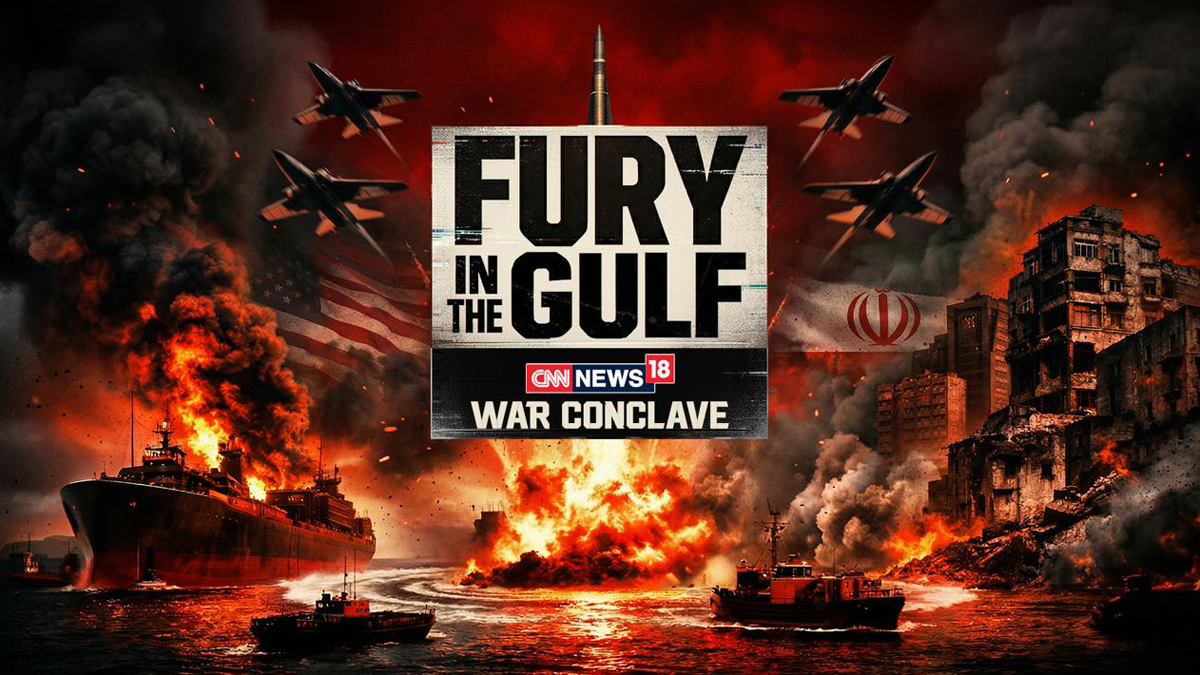
MUMBAI: CNN-News18 is set to host a special three-hour broadcast, Fury in the Gulf – War Conclave, on April 7, aiming to decode the escalating West Asia crisis and its far-reaching implications for India.
Scheduled from 4:00 PM to 7:00 PM, the conclave comes at a time when tensions between Iran and the United States are reshaping global geopolitics and triggering economic uncertainty. With India’s deep energy ties, trade links and large diaspora in the Gulf, the developments carry significant domestic relevance.
Built around the theme ‘Conflict, Consequences, and The Future,’ the programme will feature six curated sessions combining one-on-one interviews and panel discussions. The focus is to cut through the clutter and offer viewers a clearer understanding of the fast-evolving situation.
Key sessions include ‘Diplomacy in Times of War’ featuring Shashi Tharoor, and ‘World After the Iran Conflict’ with voices such as Ram Madhav, Reuven Azar, representatives from the European Union and the Iranian Deputy Envoy. Another session titled ‘Another Dunkirk?’ will bring together K. J. S. Dhillon and Jitin Prasada among others.
CNN-News18 editorial affairs director Rahul Shivshankar said, “In times of war, clarity becomes the most powerful tool. Fury in the Gulf – War Conclave brings together credible voices to address the questions and confusion that arise amid an overwhelming influx of information.”
He added that the initiative is aimed at delivering “facts, perspective, and insight” at a time when misinformation can easily cloud public understanding.
Echoing the sentiment, CNN-News18 CEO– English and business news Smriti Mehra said the conflict marks a defining global moment, with consequences that extend well beyond the region. She noted that the conclave seeks to present the crisis with “depth, nuance and responsibility” so audiences can better grasp its real-world impact.
As geopolitical tensions continue to dominate headlines, the conclave positions itself as an attempt to bring order to the noise, offering viewers a structured, insight-led look at a complex and rapidly shifting global situation.






