News Headline
TV viewership in India surges with an increase in weekly viewing of 53-minute


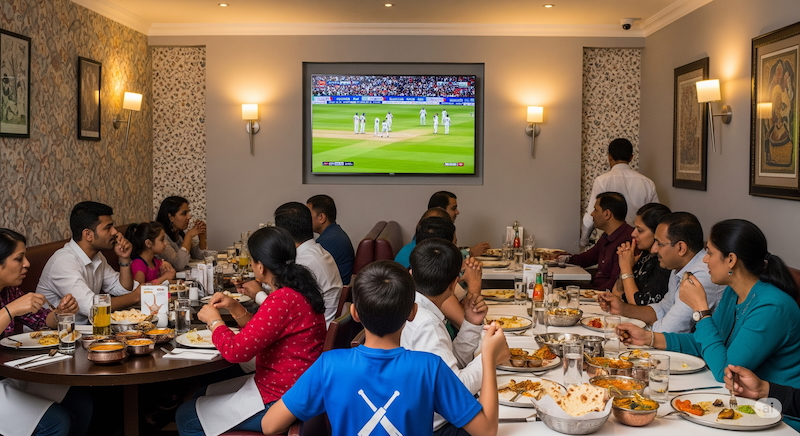
Mumbai: In a compelling testament to the enduring allure of television, viewers in India are dedicating an additional 53 minutes per week to watching TV compared to the previous year. This significant increase signals heightened engagement and a reinforced connection with the medium, defying trends in evolving media consumption.
In a dynamic content consumption landscape, Indian television not only holds its ground but also thrives, experiencing a notable 5.1 per cent growth in year-to-date (YTD) data for FY’24. This surge emphasises TV’s enduring appeal and solidifies its position as the preferred medium for a diverse audience.
Younger audiences, in the age group of 15-30 years, have, in fact, seen a higher growth in TV viewership compared to the overall average with growth in viewership being seen across all economic strata and markets, reaffirming television’s appeal across diverse age groups.

This growth surpasses specific regions or language segments and extends to the majority of language markets, accounting for 87 per cent of the Indian TV population. Television’s widespread appeal underscores its profound ability to resonate with audiences from diverse cultural and linguistic backgrounds. The commitment of television to deliver fresh, emotionally resonant content has not only retained viewers but has also driven growth.
IBDF president K. Madhavan affirmed, “The impressive rise in television viewership underscores India as one of the few international markets witnessing consistent television growth, in spite of digital media’s rapid expansion. In today’s ‘AND’ world, where digital media excels in precise targeting and immediate rewards, television maintains its distinct advantage in the realm of long-term brand building. Television creates compelling stories that deeply connect with its audience, building trust and leaving an indelible mark across age groups.”
A standout trend is the significant contribution of Indian women to television’s growth, with an impressive 59 per cent contribution to the overall TV viewership growth. This highlights their pivotal role as key influencers and consumers shaping television viewership trends.
Deeply rooted in the cultural fabric of India, television continues to be a unifying force, bringing families together. With a massive 70 per cent penetration and headroom for further growth (90 million households), television remains the largest reach medium, inspiring and entertaining countless families. A notable seven per cent increase in pay household viewership, with 5.8 million households transitioning from free-to-air (FTA) to pay, showcases the magnetic pull of quality programming.
Television viewership growth transcends economic strata and town classes, demonstrating its inclusive nature. This growth is observed across NCCS A, B, C, DE, and various town categories, including metros, large cities, smaller towns, and rural areas.


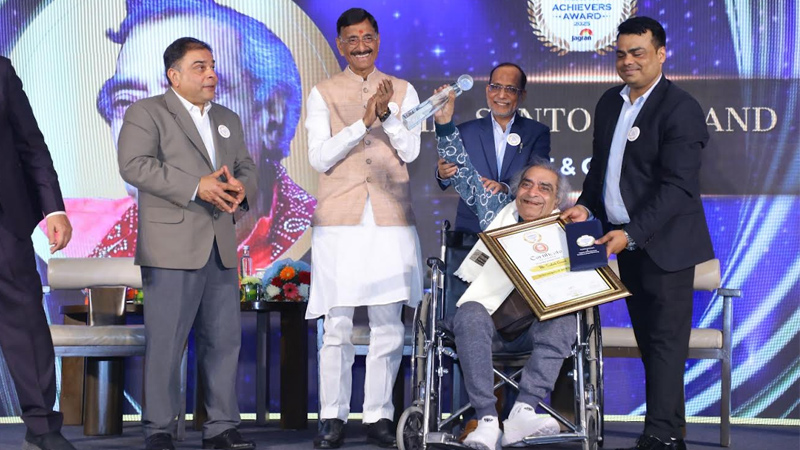
NEW DELHI: Hamdard Laboratories gathered a cross-section of India’s achievers in New Delhi on Friday, handing out the Hakeem Abdul Hameed Excellence Awards to figures who have left their mark across healthcare, education, sport, public service and the arts.
The ceremony, attended by minister of state for defence Sanjay Seth and senior officials from the ministry of Ayush, celebrated individuals whose work blends professional success with a sense of public purpose. It was as much a roll call of achievement as it was a reminder that influence is not measured only in profits or podiums, but in people reached and lives improved.
Among the headline awardees was Alakh Pandey, founder and chief executive of PhysicsWallah, recognised for turning affordable digital learning into a mass movement. On the sporting front, Arjuna Awardee and kabaddi player Sakshi Puniya was honoured for her contribution to the game and for pushing women’s participation onto bigger stages.
The cultural spotlight fell on veteran lyricist and poet Santosh Anand, whose songs have echoed across generations of Hindi cinema. At 97, Anand accepted the honour with characteristic humility, reflecting on a life shaped by perseverance and hope.
Healthcare honours spanned both modern and traditional systems. Manoj N. Nesari was recognised for strengthening Ayurveda’s place in national and global health frameworks. Padma shri Mohammed Abdul Waheed was honoured for his research-backed work in Unani medicine, while padma shri Mohsin Wali received recognition for his long-standing contribution to patient-centred care.
Education and social development also featured prominently. Padma shri Zahir Ishaq Kazi was honoured for decades of work in education, while former Meghalaya superintendent of Police T. C. Chacko was recognised for public service. Goonj founder Anshu Gupta received an award for his dignity-centred rural development initiatives, and the Hunar Shakti Foundation was honoured for empowering women and young girls through skill development.
The Lifetime Achievement Award went to former IAS officer Shailaja Chandra for her long career in public healthcare and governance, particularly in the traditional systems under Ayush.
Speaking at the event, Hamdard chairman Abdul Majeed said the awards were a tribute to those who combine excellence with empathy. “These awardees reflect Hakeem Sahib’s belief that healthcare, education and public service must ultimately serve humanity,” he said.
Minister Seth struck a forward-looking note, saying India’s young population gives the country a unique opportunity to become a global destination for learning, health and wellness by 2047.
The ceremony also featured the trailer launch of Unani Ki Kahaani, an upcoming documentary starring actor Jim Sarbh, set to premiere on Discovery on 11 February.
Instituted in memory of Unani scholar and educationist Hakeem Abdul Hameed, the awards have grown into a national platform that celebrates those building a more inclusive and resilient India. For one evening at least, the spotlight was not just on success, but on service with substance.






