Applications
TV industry to debate digital dividends at Casbaa India Forum


NEW DELHI: The ongoing satellite capacity crunch and the challenges of navigating a complex regulatory environment to identifying the future trends in the country‘s multichannel TV market in the era of digitization will be among the subjects under discussion at the India Forum of the Cable and Satellite Broadcasters Association of Asia (Casbaa).
The meet on 7 March here will bring into focus the disparate voices of various television industry stakeholders.
“India is undeniably a vast and complex market, but one that continues to provide unparalleled opportunities and potential to investors,” said Casbaa CEO Christopher Slaughter.

“However, success depends on the ability to navigate the hurdles of the country‘s broadcasting industry and CASBAA‘s annual India Forum provides an ideal platform to hear from leaders and experts from across borders and market segments.”
Industry leaders will bring their unique perspectives on the current state of Indian broadcasting and what to expect moving ahead.
Headlining the respected roster of speakers at the event will be government representatives Information and Broadcasting Ministry Secretary Uday Kumar Varma, Telecom Regulatory Authority of India Chairman Rahul Khullar; TRAI Principal Advisor Parameswaran N., and Sudhir Gupta, and Ms. Supriya Sahu, both Joint Secretary (Broadcasting & Policies) in the Ministry.
The varied list of speakers and panellists will also include Thomas Choi (CEO, Asia Broadcast Satellite), Smita Jha (Leader, Entertainment and Media Practice, PwC India), LV Krishnan (CEO, TAM Media Research), Sameer Manchanda (Chairman & MD, DEN), Ravi Mansukhani (MD, IMCL), Deepak Mathur (SVP, Commercial, Asia-Pacific and the Middle East, SES), Harit Nagpal (MD & CEO, Tata Sky), Bharat Kumar Ranga (Chief Content & Creative Officer, Zee Entertainment), Man Jit Singh (CEO, MSM; President, IBF), Shashi Sinha (Chairman of Technical Committee, BARC; CEO, IPG Mediabrands India), Bill Wade (President & CEO, AsiaSat), Robert Zitter (EVP & CTO, HBO), Deepak Jacob (President, Legal & General Counsel, STAR TV India) among others.
Partners for the CASBAA India Forum 2013 include Supporting Sponsor SES and Sponsors AsiaSat, Brightcove, CSG International, Eutelsat, IBM and Star India.







Applications
With 57 per cent single new users, Ashley Madison rebrands as discreet dating platform
Platform says majority of new members now identify as single
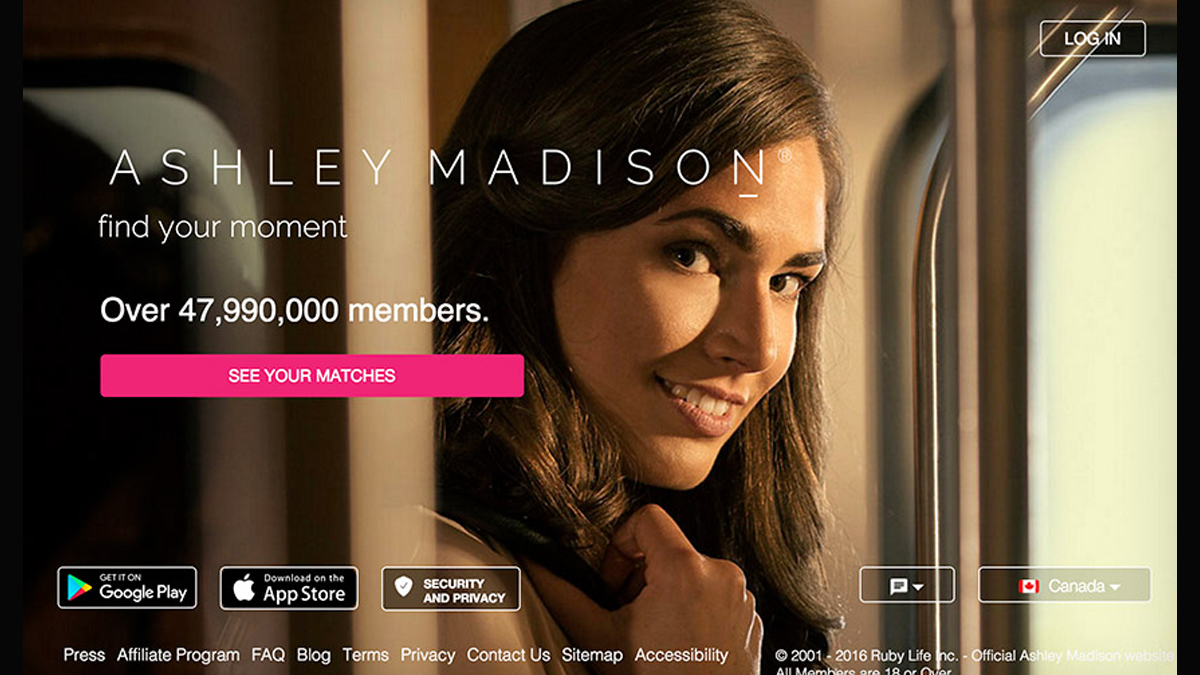
INDIA: Ashley Madison is shedding the “married-dating” label that defined it for two decades, repositioning itself as a platform for discreet dating in what it calls the post-social media age.
The rebrand, unveiled in India on 27 February, 2026, marks a structural shift in business model and identity. Once synonymous with married dating, the company now describes itself as the “premier destination for discreet dating” under a new tagline: Where Desire Meets Discretion.
The pivot is data-driven. Internal figures show that 57 per cent of global sign-ups between 1 January and 31 December, 2025 identified as single: a notable departure from the platform’s married core. The company argues that its community has already evolved beyond its original positioning.
“In an age where our lives have been constantly put on public display, privacy has become the new luxury,” said Ashley Madison chief strategy officer Paul Keable. He framed the platform’s offering as “ethical discretion” for singles, separated, divorced and non-monogamous users seeking private connections.
The shift also taps into wider digital fatigue. A global survey conducted by YouGov for Ashley Madison, covering 13,071 adults across Australia, Brazil, Canada, Germany, India, Italy, Mexico, Spain, Switzerland, the UK and the US, found mounting discomfort with hyper-public online lives.
Among dating app users, 30 per cent cited constant swiping and messaging as a source of fatigue, while 24 per cent pointed to pressure to curate public-facing profiles and early personal disclosure. Some 27 per cent said fears of screenshots or information being shared contributed to exhaustion; an equal share cited unwanted attention.
The retreat from oversharing appears broader. According to the survey, 46 per cent of adults actively try to keep most aspects of their life private online. Only 8 per cent feel comfortable sharing most aspects publicly, while 35 per cent say they are becoming more selective about what they disclose.
Ashley Madison is betting that this cultural recalibration towards controlled visibility can be monetised. By doubling down on privacy infrastructure and reframing itself around discretion rather than infidelity, the company is attempting to convert reputational baggage into a premium proposition.