iWorld
TRAI releases recommendations to promote broadband connectivity

Mumbai: The Telecom Regulatory Authority of India (TRAI) has released its recommendations on ‘Roadmap to Promote Broadband Connectivity and Enhanced Broadband Speed’.
The Department of Telecommunications (DoT) as per the objectives of the National Digital Communications Policy 2018 sought recommendations of TRAI on issues relating to broadband speed and its categorisations, infrastructure creation, and promoting broadband connectivity.
TRAI issued a consultation paper on 20 August seeking comments and counter comments from stakeholders. The DoT vide another reference letter dated 12 March sought consolidated and updated recommendations on the proliferation of fixed-line broadband services in the country. This included reference to additional issues relating to licence fee exemption and direct benefit to consumers. A supplementary consultation paper was issued on 19 May followed by an open house discussion.

Based on inputs received by stakeholders and its own analysis, TRAI has finalised its recommendation shared below.
1. Definition of broadband has been reviewed and the minimum download speed for broadband connectivity revised upward from the present 512 Kbps to 2 Mbps. Based on download speed, fixed broadband has been categorised into three different categories – basic, fast, and super-fast.
2. To encourage lakhs of cable operators to provide broadband services, TRAI’s past recommendation on ‘Definition of Revenue Base (AGR) for the Reckoning of Licence Fee and Spectrum Usage Charges’ has been reiterated.
3. To enhance mobile broadband speed in rural and remote areas by fiberisation of the cellular networks, backhaul connectivity on optical fiber using the BharatNet network with Service Level Agreements (SLA) should be made available to service providers.
4. To incentivise investment in the last-mile linkage for fixed-line broadband, notify a skill development plan and an interest subvention scheme for cable operators registered as micro and small size companies.
5. To enhance mobile broadband speed, the radio spectrum used for backhauling connectivity of cellular networks should be assigned to service providers on-demand and in a time-bound manner.
6. Creation of national portal for RoW permissions to facilitate the expeditious rollout of telecom and other essential utilities infrastructure.
7. Incentivise establishment of common ducts and posts for fiberisation of networks. In line with BharatNet Project, exempt RoW charges for the next five years of expeditious laying of common ducts and posts.
8. A centrally sponsored scheme (CSS) to incentivise states/UTs for RoW reforms. Incentives to be linked to the net improvement in the Broadband Readiness Index (BRI) score of a state/UT.
9. Mandates co-deployment of common ducts during the construction of any roadway, railway, and water and gas pipelines receiving public funding.
10. To facilitate the sharing of passive infrastructure such as ducts, optical fibers, posts, etc., all the passive infrastructure available in the country should be mapped by each service provider and infrastructure provider using a Geographic Information System (GIS). The Telecom Engineering Center (TEC) should notify the standards for this purpose. Establishment of e-marketplace on a common GIS platform to facilitate leasing and trading of passive infrastructure.





iWorld
Samay Raina returns with Still Alive, confronts 2025 controversy in bold comeback special
Comeback set tackles controversy, blending humour with raw storytelling
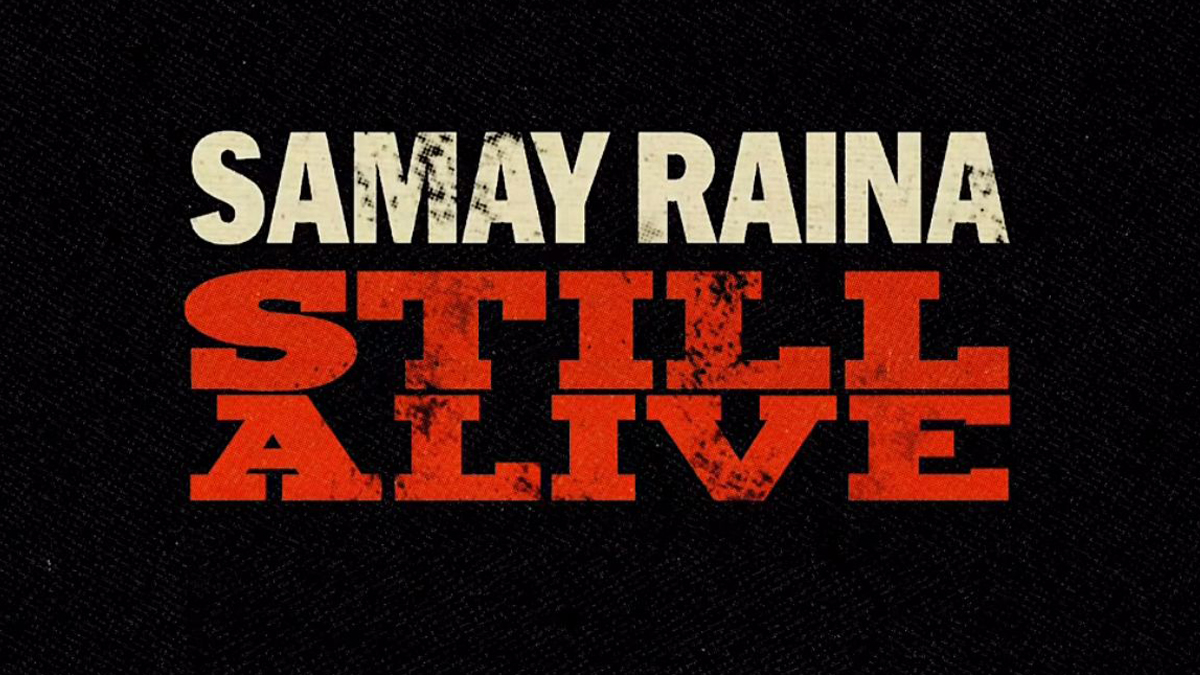
MUMBAI: Samay Raina is set to release his new stand-up comedy special, Still Alive, on YouTube on April 7, 2026, marking a high-profile return following a turbulent year.
The trailer for the special dropped on April 5, offering a glimpse into what Raina describes as a raw and unfiltered set that leans as much on honesty as it does on humour.
Positioned as a comeback of sorts, Still Alive draws heavily from the controversy surrounding his show India’s Got Latent in early 2025. The episode led to legal trouble, multiple FIRs, and a lengthy six-hour interrogation by the Maharashtra Cyber Cell, placing the comedian at the centre of intense public scrutiny.
Rather than sidestep the episode, Raina leans into it. The special reflects on the fallout and his personal journey through it, blending observational comedy with moments of emotional candour. Early audience feedback from live performances suggests the tone is less about rapid-fire punchlines and more about storytelling with bite.
The special was filmed during his global Still Alive & Unfiltered tour, which ran from August 2025 to early 2026. The tour saw Raina perform across major international venues, including the Madison Square Garden Theatre in New York, a milestone that places him among the youngest Indian comedians to take that stage.
The title itself signals resilience. “Still Alive” is a nod to navigating both legal and public backlash while choosing to remain unapologetically authentic, a theme that appears to anchor the set.
With the special set to premiere online, all eyes are now on how audiences respond to a performance that promises equal parts reflection and wit. For Raina, the message is clear. He is not just back, he is ready to be heard on his own terms.






