eNews
TOI presents the sixth edition of the Times of India Sports Awards

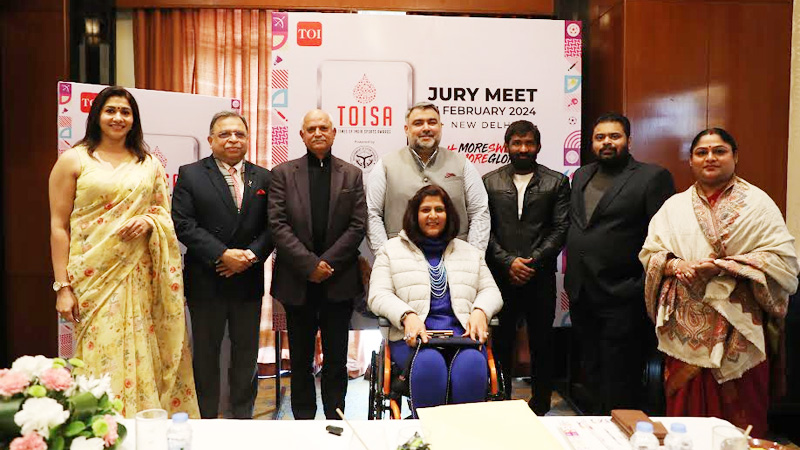
Mumbai: Recognising the unwavering commitment and outstanding achievements of Indian athletes, The Times of India announces the return of the sixth edition of its prestigious event, the TOI Sports Awards (TOISA). Set against the regal backdrop of Lucknow, the City of Nawabs, the awards ceremony will take place on 23 February 2024, in the presence of esteemed personalities from the realms of Indian sports.
In collaboration with the Uttar Pradesh government, TOI unveiled this edition, reinforcing its dedication to honouring sporting excellence. Themed #MoreSweatMoreGlory for the second consecutive year, TOISA pays homage to the relentless spirit of athletes and para-athletes who illuminated the sports landscape in 2023. Beyond recognising the standout figures of Indian sports, TOISA remains committed to nurturing the future generation of athletes, inspiring countless youngsters to pursue their dreams.
Speaking about the significance of TOISA 2023, Prasad Sanyal, Business Head, Times Internet, stated, “Since its inception, TOISA has been steadfast in acknowledging the remarkable talent of both emerging and seasoned athletes. This year, we are excited to present another edition of the awards, featuring diverse categories and an esteemed jury panel. Our aim is to celebrate the pinnacle of Indian sports and para-sports at this year’s TOISA.”

With over 20 award categories, last year’s nominees included a mix of rising and established stars in Indian and para-sports. A distinguished jury of legendary Indian sports personalities decided the winners, including Paralympic champion and Padma Awardee Deepa Malik, Olympic-winning weightlifter Karnam Malleswari, and hockey star Zafar Iqbal. They were joined by prominent figures such as long jump star and vice-president of the Athletics Federation of India, Anju Bobby George, badminton coach and two-time Padma Awardee Pullela Gopichand, Olympic-winning wrestler Yogeshwar Dutt, and vice-president of the IOA & Olympic-winning shooter Gagan Narang. The jury was chaired by Adille Sumariwalla president of the Athletics Federation of India and vice-president of the IAAF.
The jury meeting, held in Delhi last week, marked a rigorous selection process considering various parameters to determine the winners. The awards will be presented during a grand ceremony scheduled later this month in Lucknow, promising an evening that celebrates the zenith of sporting achievements.





eNews
Piyush Thakur steps down as Inshorts’ chief revenue officer
Former vice president and cro says exit marks a new chapter after close to a decade of building revenue and partnerships at Inshorts Group.
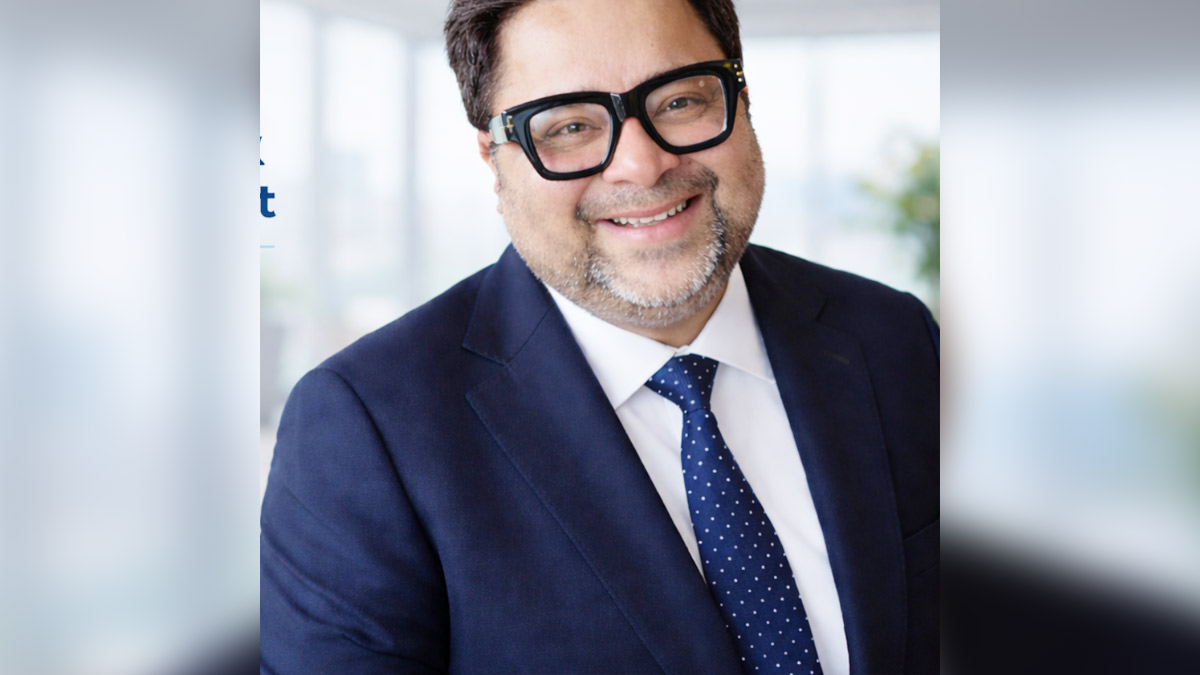
NOIDA: Piyush Thakur has stepped away from Inshorts Group after nearly 10 years with the company, marking the end of a long tenure that culminated in his role as chief revenue officer.
In a farewell note, Thakur said he was “turning a new page” after almost a decade at Inshorts, calling it one of the hardest professional decisions he has made. He added that his exit was not driven by uncertainty about the future, but by reflection on a long association with the company.
Thakur joined Inshorts in October 2016 as vice president and spent around seven years in the role before being elevated to chief revenue officer in April 2024, a position he held until April 2026.
He said his tenure was defined by “thousands of mornings, late nights, product debates and breakthrough moments”, as the company evolved into a large-scale digital news platform used by millions.
In his note, Thakur emphasised that Inshorts’ growth was a collective effort across teams, adding that engineers, designers, sales teams and customer support staff all contributed to building the platform. He said the company’s success was not the result of individuals but of “everyone who stayed, passed through, and left their mark”.
Before Inshorts, Thakur worked across several digital media and business development roles. At ESPN, he served as senior regional manager from October 2015 to October 2016, focusing on growth initiatives, strategic opportunities and video distribution.
At Times Internet, he worked for nearly three years, including as head of business development from April 2015 to September 2015 and chief manager from January 2013 to March 2015. His responsibilities included monetisation of mobile platforms, managing media and developer partnerships, and driving revenue across digital properties such as The Times of India and The Economic Times.
Earlier, he worked at Brandmovers as head of business development from June 2012 to June 2013, handling digital, mobile and social media marketing solutions, client development and strategic consulting. During this period, he also worked on advertising revenue, brand strategy and CRM-based solutions.
At Inshorts, Thakur’s role focused on revenue strategy, mobile and media partnerships, and growth initiatives across platforms. His profile highlights experience in mobile product management, digital business models, partner ecosystems and revenue expansion in high-growth environments.







