eNews
Times Network, Britannia, and Mindshare launch content hub ‘Cheeseitup.in’

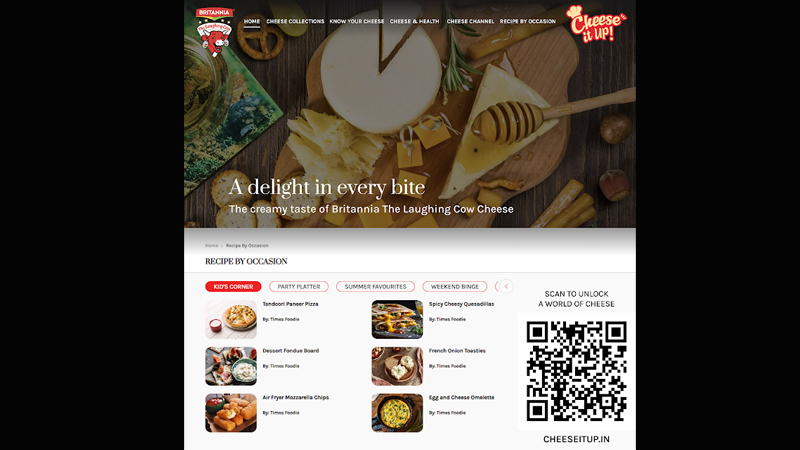
Mumbai: Times Network, a broadcast and digital network has partnered with Britannia The Laughing Cow Cheese, a renowned cheese brand and Mindshare to launch ‘Cheeseitup.in’, an innovative content destination to enhance cheese awareness in India and provide culinary inspiration.
‘Cheeseitup.in’ is designed to build a vibrant community for cheese lovers, offering insightful information on various types of cheese, recipes, health benefits, DIY videos, blogs, and more. Through multiple touchpoints across the website and social media, ‘Cheeseitup.in’ offers easy and snackable content that makes everyday meals tastier by incorporating different types of cheese from Britannia The Laughing Cow Cheese. Whether you want quick snack ideas or gourmet recipes, the platform offers engaging, user-friendly content, ensuring that the recipes are easy to follow. Users can easily save and download recipes that are tailored to their preferences and specially curated by food influencers and chefs across India.
Developed by Times Network Digital, this digital encyclopaedia for cheese will leverage the network’s expertise in content creation, organic user acquisition, and e-commerce to enhance brand visibility and user engagement. Targeting a wider reach within a year through content integrations & promotions across various platforms of Times Network, including TimesFoodie.com, TimesNow.in, TimesNowNavbharat.com, and ZoomTV.com, this industry-first initiative is strategically promoted by Mindshare, showcasing an innovative approach to brand promotion.

Britannia Dairy CEO Britannia Bel Foods and CBO Abhishek Sinha said, “CheeseItUp.in is Britannia The Laughing Cow Cheese’s effort for all cheese enthusiasts and novices who are constantly looking to gather knowledge about the product category. After the joint venture between Britannia and Bel group, we began the journey of creating awareness about the category benefits, with borrowed learnings and expertise from the French conglomerate. We realised that as a nascent category in India, the awareness about cheese, its benefits, and its usage is still limited and fragmented. We took up this challenge with our partners – Times Network and Mindshare to build an inclusive platform which could cater to this gap for all Indians.”
Commenting on the partnership, ZENL & BCCL(TV Division) CEO Rohit Gopakumar said, “Our endeavour is always to provide a balanced platform for both our audience and clients. The satisfaction of achieving brand objectives through targeted content offerings excites our team. Britannia has consistently led the way in creating cutting-edge communication ideas for its various products. This partnership between Britannia The Laughing Cow Cheese and Times Network Digital platforms will undoubtedly break new ground in the cheese category. Collaborating with Britannia and Mindshare to introduce a new and innovative concept that marries content with brand thought leadership is the way forward for deep audience engagement. It’s time to CHEESEITUP!”
Speaking on the partnership, Times Network president & COO – Digital Rohit Chadda said, “Content-driven commerce strategically integrates content into the shopping process to provide customers with the highest quality experience. Times Network Digital has the largest base of premium, influential audiences in the country across news & lifestyle categories. Our brand TimesFoodie.com, an industry-leading platform in food content, is the perfect partner to create such a food destination for Britannia. The idea of ‘CheeseItUp.in’ is to instil product knowledge and usage, while also taking an innovative approach to e-commerce that directly drives revenue for the brand.”
Mindshare CEO Amin Lakhani shared, “CheeseItUp.in isn’t just a platform, it’s your fun and flavourful culinary playground! We want to make cheese a delicious and healthy part of everyday meal planning. We use real consumer data to craft healthy and inspiring recipes with Britannia The Laughing Cow cheese. It’s connected commerce powered by content. Mindshare has architected a partnership between Britannia Bel Foods and Times News Network. Get ready to experience a whole new world of cheese-based creations! We are excited to see how this platform will revolutionise the way people enjoy Britannia The Laughing Cow cheese in their daily lives.”
Additionally, the integration of a quick commerce platform with ‘Cheeseitup.in’ allows consumers to purchase cheese in a few clicks, seamlessly transitioning from CheeseItUp.in to savouring The Britannia Laughing Cow cheese delights.







eNews
Paisabazaar launches Credit Premier League 2.0
Nationwide campaign rewards highest credit scores with Rs 1 lakh top prize.

MUMBAI: When credit scores become a national league, even your CIBIL report starts feeling like it’s playing in the IPL and Paisabazaar has just kicked off the second season. Paisabazaar, India’s leading marketplace for financial products and the country’s largest free credit score platform, has announced the return of the Credit Premier League (CPL) 2.0, a fun, nationwide initiative to recognise and reward individuals with the highest credit scores.
Building on the success of the first edition, CPL 2.0 introduces higher rewards and broader participation. The individual(s) with the highest credit score in the country will win Rs 1 lakh, while state champions will each receive Rs 10,000. Additionally, all participants from the winning state, the one with the highest average credit score will also be rewarded.
All winnings will be credited directly to winners’ PB Wallet, allowing them to pay credit card bills, recharge mobiles, or settle utility bills seamlessly on the Paisabazaar platform.
Paisabazaar CEO Santosh Agarwal said the campaign aims to make credit awareness more engaging and mainstream. “With CPL, we are bringing together engagement, gamification and rewards to make conversations around credit scores more mainstream,” he noted. “Our focus remains on building a financially aware and credit-healthy Bharat.”
The first edition of CPL saw over 5.5 million participants, with the highest individual score touching 861. Delhi recorded the highest average credit score of 746.
Consumers can participate simply by checking their free credit score on the Paisabazaar platform or app. The CPL leaderboard and rankings will be available exclusively on the Paisabazaar App.
In a country where financial dreams are serious business, Paisabazaar has found a smart way to turn credit scores into an exciting game – because when your financial health gets rewarded, everyone wants to play.






