Content Hub
“This is the best time for Indian television”: Rajan Shahi

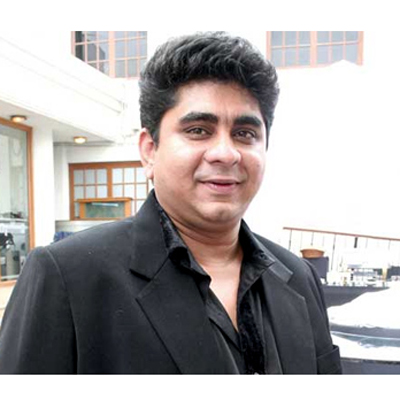
MUMBAI: Rajan Shahi made his directorial debut 15 years ago with the series, Dil Hai Ki Manta Nahi. What followed after that was a succession of hit shows including Jassi Jaisi Koi Nahi, Hamare Tumhare, Rishtey, Kareena Kareena, Reth, Mamtaa, Millee, Virasaat and Saathi Re. Shahi started his own production company in 2007. His first series as producer was Sapna Babul Ka Bidaai on Star Plus, followed by Yeh Rishta Kya Kehlata Hai which is presently running on television.
As part of our Content Hub series, we spoke to the acclaimed director and producer on the existing content on Indian television today. Shahi tells us, “I think we are experiencing the best time for television today. There are so many different genres of programs that we see on TV. Every channel has a variety of comedy, romantic, horror, finite and reality series”.

Shahi feels that there are good story tellers in the industry but the television rating numbers (earlier TV rating points) are also important. According to him, the typical Saas-Bahu dramas do very well as far as the ratings go. He points out that there have been several people who have tried to experiment with fresh content but have not achieved their desired ratings. “So, what is the point of try something new if I know I will not achieve the same level of viewership?” he asserts.
Speaking about the reach of Indian television content, Shahi elaborates, “We have a certain medium of our own. Our shows are hit abroad. People watch these typical shows as they like seeing Indian culture, traditions and customs.”
When we asked whether broadcasters understand the creative freedom of directors and producers, Shahi explains, “I am seeing a very healthy trend these days. Every broadcaster is trying to get new technology and new story-telling methods. This is optimistic. Channels are willing to experiment and support new makers. They are trying to get the best of sets and costumes. Channels place a lot of time and emphasis on developing content.”
Ending the conversation on a positive note, Shahi says, “The seasonal format is a really good idea if one wants to keep a brand name alive. There is a big scope for finite series and this is just the beginning.”
Content Hub is a three day conference organised by Indiantelevision.com and is aimed at established professionals, newbies and anyone who is keen on taking the plunge into the fascinating world of writing, producing and creating for television and the digital space.




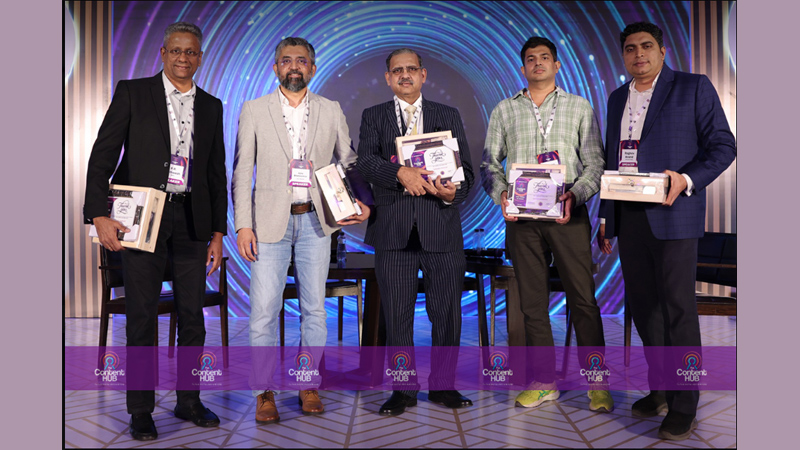
Mumbai: Exploring the shift from regional to national content, this synopsis delves into the trends and challenges. It navigates the transformation, analyzing industry dynamics, emerging trends, and the hurdles faced. From preserving regional variation to adapting to a broader audience, it examines the multifaceted journey of regional content evolving into a national narrative. In what ways do the emerging trends and challenges influence the dynamics of the entertainment industry during this transition? How can creators navigate these changes effectively? What strategic approaches can content creators adopt to strike a balance between maintaining regional identity and fostering a cohesive national narrative in their work? How can the transition from ‘regional’ to ‘national content’ impact cultural diversity within the entertainment industry, and what measures can be taken to ensure the preservation of regional variation?
In a rapidly evolving media landscape, seasoned industry professionals have offered valuable insights into the transformation of content consumption and production. The session was chaired by Ernst and Young partner Raghav Anand, MMTV chief executive officer P.R. Satheesh, Sony Marathi business head Ajay Bhalwankar, PTC Network chairman & MD Rabindra Narayan, Shemaroo Entertainment COO, Digital, Saurabh Srivastava esteemed voices in the field, have articulated their perspectives on the burgeoning shift towards globalised content.
Rabindra Narayan emphasised the dissolution of regional boundaries in content consumption, attributing it to the accessibility facilitated by global platforms and connectivity options. He predicts a future where language barriers will fade, citing the potential of technology to clone and adapt voices, thus enabling seamless localization across languages.
Saurabh highlighted the democratisation of content creation in the digital era, underscoring its empowerment and revenue potential, particularly in linguistically diverse markets like India. He emphasizes the value of culturally rooted storytelling in filling gaps in content supply, with technology enabling effective monetization, especially through OTT platforms.
Ajay Bhalwan sheds light on the evolving landscape of Hindi and regional language content, noting a significant shift where a substantial portion of content on Hindi film channels originates from regional languages. He accentuates the importance of language in enhancing authenticity and audience engagement, exemplified by the strong resonance of Marathi content in Maharashtra.
PR Satheesh underscored the paramount importance of content quality in driving viewership and transcending language barriers. Drawing parallels with the global popularity of Korean dramas, he advocates for leveraging technology, including AI and real-time translations, to enhance content creation and distribution.
These insightful perspectives collectively echoed the industry’s adaptation to a globalised content landscape, where technology catalyzes innovation and accessibility. As content continues to evolve, these experts offered valuable guidance on navigating the dynamic media landscape and maximizing the impact of storytelling in diverse markets worldwide.