High Court
The One Club’s Young Guns 22 jury includes two in India

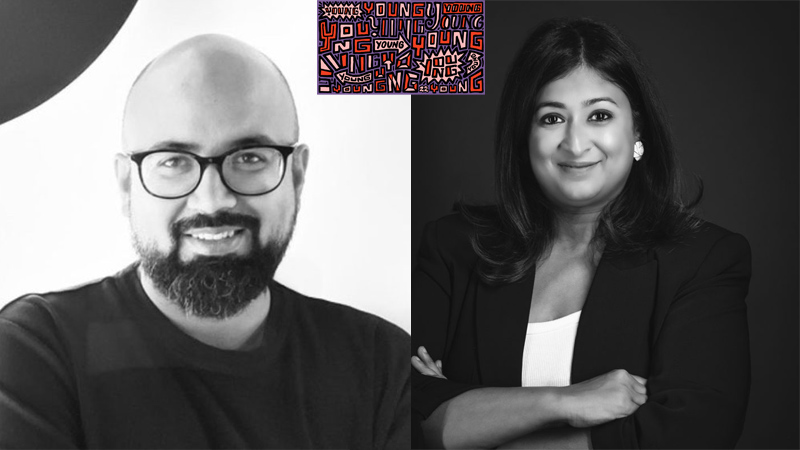
Mumbai: The One Club for Creativity announced 101 creatives from around the world who will serve on the jury for the global Young Guns 22, including two based in India.
Young Guns is the industry’s only global, cross-disciplinary, portfolio-based awards competition that identifies and celebrates today’s vanguard of young creatives. The program is open to creatives ages 30 and under who have been working for at least two years, full-time or freelance. Eligible entrants can submit a combination of professional and personal work.
Jury members in India are Arnab Rey, ECD at Landor Mumbai, and Neha Tulsian, ECD at NH1Design in Delhi.
The complete list of Young Guns 22 judges can be viewed here.
The online entry system is open, with a reduced-fee early deadline of June 27, 2024, a regular deadline of July 11, 2024, and a final deadline 25 July 2024. Winners will be announced in the fall.
The submission deadline for COLORFUL, a separate YG grant program to help young BIPOC creatives around the world advance their careers, is June 27, 2024. There is no fee to apply, and the grant is open globally to BIPOC creatives who qualify for YG22.
Program branding and design of the YG Cube award itself is reimagined each year by a past Young Gun winner. This year’s YG22 branding was created by renowned New York-based designer, illustrator, muralist, and author Timothy Goodman (YG7).
All Young Guns winners receive a unique version of the iconic Young Guns Cube, designed exclusively for this year’s incoming class, and have their permanent profile page added to the Young Guns website. Winners also receive a complimentary one-year One Club for Creativity membership, permanent membership in the Young Guns network, a chance to be featured in Young Guns events and an assortment of career-boosting opportunities from Young Guns sponsors.
Past Young Guns include rising stars who went on to become leaders in their chosen fields, including Oscar-winning film director duo DANIELS (Daniel Kwan and Daniel Scheinert) (YG14), “Top Gun Maverick” director Joseph Kosinski (YG4); graphic designers James Victore (YG1), Stefan Sagmeister (YG1), Natasha Jen (YG4) and Jessica Walsh (YG8); artist/designer Rich Tu (YG8); ad creatives Rei Inamoto (YG4) and Menno Kluin (YG6); illustrators Christoph Niemann (YG2) and Deanne Cheuk (YG4); fashion designer Kerby Jean-Raymond (YG14); artist/filmmaker Calmatic (YG16); director/photographer India Sleem (YG17); photographer Ryan McGuinness (YG2); typographers Alex Trochut (YG6) and Gemma O’Brien (YG13); animation artist Todd St. John (YG1), and others.
Levine/Leavitt Artist In Residence Award
For the 10th consecutive year, international artists’ management agency and Young Guns sponsor Levine/Leavitt will bestow one talented winner with the Artist In Residence Award.
The honour is presented annually to a newly crowned Young Gun whose body of work truly stands out, as judged by an advisory board of industry professionals across various disciplines. The winner receives a full year of professional development, guidance and mentorship from Levine/Leavitt to help advance their career.
The One Club for Creativity, home of The One Show, ADC Annual Awards, Art Directors Club of Europe (ADCE), ONE Asia Creative Awards, Type Directors Club and competition, TDC Ascenders, Young Guns, Young Ones Student Awards, Next Creative Leaders, ONE Screen Short Film Festival, and more, is the world’s foremost non-profit organisation whose mission is to support and celebrate the global creative community. Revenue generated from entries to its global awards shows go back into the industry to fund programming under the organisation’s four pillars: Education, Inclusion & Diversity, Gender Equality, and Creative Development.






