Content Hub
The Content Hub: Broadcasters need to encourage new concepts


MUMBAI: While the common consensus was that there is a lull in the content that we see on television today, a few freelance scriptwriters present at The Content Hub claimed that this was not due to a dearth of good writers. According to them, there, in fact, is a lack of good producers.
Indiantelevision organized a three-day initiative that brought together writers, creators, producers, artistes and broadcast executives to discuss, understand, educate and engage those involved in the content creation process – both for TV and digital.
Putting forth the creator’s perspective, Balaji Telefilms creative director Nivedita Basu said, “Well, we need to be in the realms of what the Indian audience wants. When you talk about pushing the envelope so drastically, we need to be careful of not venturing too differently.”

Basu, who has been working with Balaji since the late 90s, feels that the saas-bahu sagas are the ones that bring in the money. “I am a huge fan of daily soaps but I am ready to experiment with new concepts as long as the audience relates to it,” she said.
A budding screenplay writer, Ilashree Goswami, on the other hand, feels that there is not enough support from the producers when it comes to fresh concepts. She stated, “There is a misconception that we lack good writers. Producers and channels need to support and encourage writers with fresh concepts.”
The Format People CCO and partner Justin Scroggie provided a different perspective when he said, “Broadcasters need to see if shows sell. Creators need to be clear about what kind of show it is, in terms of genre.”
Speaking on how channels can help in making a show popular, Basu explained, “Promotions matter a lot too. Kudos to Sony for promoting Itna Karo Na Mujhe Pyaar so well. I hope this show turns the channel around and becomes the next Bade Acche Lagte Hain. We, as producers, also can’t experiment if the channel is not supportive.”






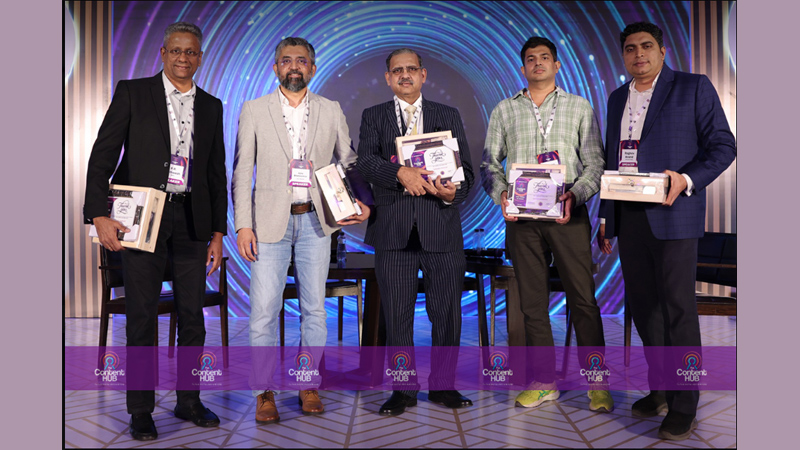
Mumbai: Exploring the shift from regional to national content, this synopsis delves into the trends and challenges. It navigates the transformation, analyzing industry dynamics, emerging trends, and the hurdles faced. From preserving regional variation to adapting to a broader audience, it examines the multifaceted journey of regional content evolving into a national narrative. In what ways do the emerging trends and challenges influence the dynamics of the entertainment industry during this transition? How can creators navigate these changes effectively? What strategic approaches can content creators adopt to strike a balance between maintaining regional identity and fostering a cohesive national narrative in their work? How can the transition from ‘regional’ to ‘national content’ impact cultural diversity within the entertainment industry, and what measures can be taken to ensure the preservation of regional variation?
In a rapidly evolving media landscape, seasoned industry professionals have offered valuable insights into the transformation of content consumption and production. The session was chaired by Ernst and Young partner Raghav Anand, MMTV chief executive officer P.R. Satheesh, Sony Marathi business head Ajay Bhalwankar, PTC Network chairman & MD Rabindra Narayan, Shemaroo Entertainment COO, Digital, Saurabh Srivastava esteemed voices in the field, have articulated their perspectives on the burgeoning shift towards globalised content.
Rabindra Narayan emphasised the dissolution of regional boundaries in content consumption, attributing it to the accessibility facilitated by global platforms and connectivity options. He predicts a future where language barriers will fade, citing the potential of technology to clone and adapt voices, thus enabling seamless localization across languages.
Saurabh highlighted the democratisation of content creation in the digital era, underscoring its empowerment and revenue potential, particularly in linguistically diverse markets like India. He emphasizes the value of culturally rooted storytelling in filling gaps in content supply, with technology enabling effective monetization, especially through OTT platforms.
Ajay Bhalwan sheds light on the evolving landscape of Hindi and regional language content, noting a significant shift where a substantial portion of content on Hindi film channels originates from regional languages. He accentuates the importance of language in enhancing authenticity and audience engagement, exemplified by the strong resonance of Marathi content in Maharashtra.
PR Satheesh underscored the paramount importance of content quality in driving viewership and transcending language barriers. Drawing parallels with the global popularity of Korean dramas, he advocates for leveraging technology, including AI and real-time translations, to enhance content creation and distribution.
These insightful perspectives collectively echoed the industry’s adaptation to a globalised content landscape, where technology catalyzes innovation and accessibility. As content continues to evolve, these experts offered valuable guidance on navigating the dynamic media landscape and maximizing the impact of storytelling in diverse markets worldwide.