iWorld
Terribly Tiny Tales announces Musafir Cafe series starring Vikrant Massey


MUMBAI: Terribly Tiny Tales is taking its storytelling from the page to the platform with Musafir Cafe, a new original romantic drama set to stream on Netflix. The series, announced by Collective Studios, is adapted from Divya Prakash Dubey’s bestselling novel and promises a tender mix of love, memory and second chances.
Vikrant Massey leads the cast, joined by Vedika Pinto and Mahima Makwana, with an ensemble of supporting actors rounding out the narrative. Massey also takes on a new role behind the scenes as co-producer, marking his debut in production.
Created and written by Sharanya Rajgopal and directed by Ruchir Arun, the series is produced by Anuj Gosalia and Vijay Subramaniam under the Terribly Tiny Tales banner. The story unfolds across layered timelines, tracing relationships that simmer, cool and sometimes reheat like a well-loved cup of coffee.

Collective Artists Network founder and group CEO Vijay Subramaniam, said the project reflects TTT’s belief in emotionally honest storytelling. He noted that stories once told in intimate formats are now finding a global stage with Musafir Cafe.
Terribly Tiny Tales CEO Anuj Gosalia, added that the novel has lived with readers for years and the Netflix adaptation expands that emotional universe while staying true to its intimacy. He said the partnership with Netflix and the backing of Collective Studios gives the story room to grow as a long-term IP.
Musafir Cafe is part of Collective Studios, the company’s newly launched unified content arm that brings together Ratpack Stories, Terribly Tiny Tales and Historyverse under one roof. The studio aims to build premium, scalable originals for both Indian and global audiences.
The series will stream exclusively on Netflix, with more details expected soon.







iWorld
OpenAI hits back at Elon Musk’s lawsuit ahead of trial
Company calls claims “baseless” and accuses Musk of trying to disrupt a rival.
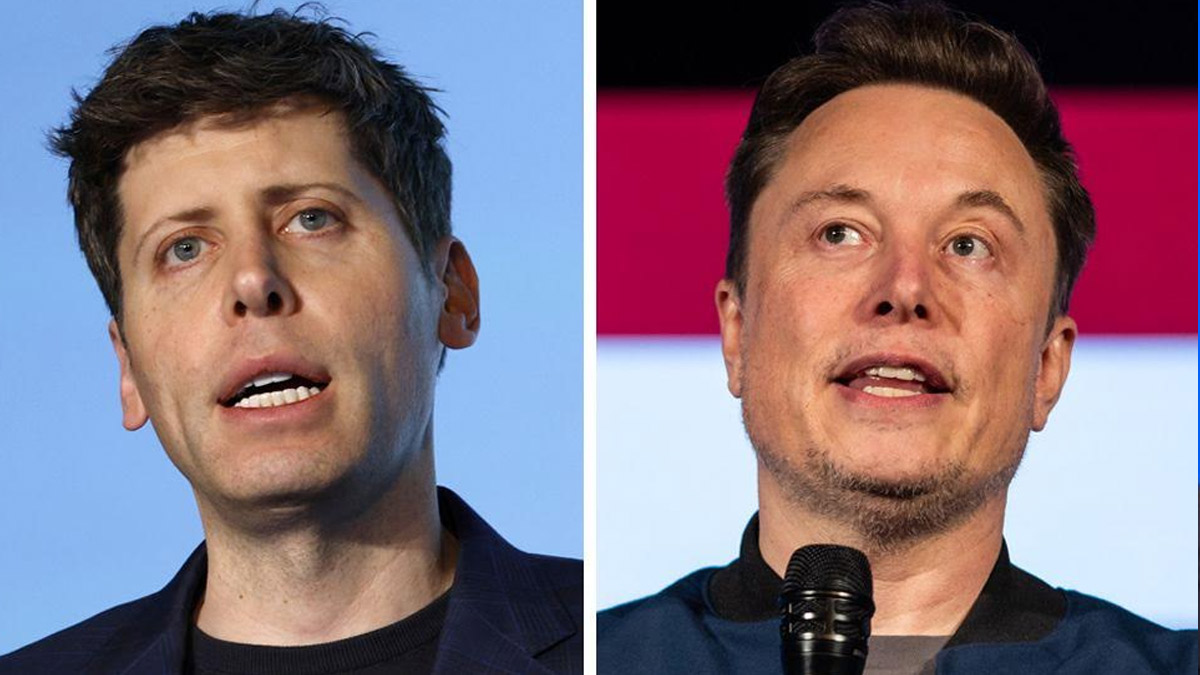
MUMBAI: When the stakes are measured in billions and egos are involved, even Silicon Valley titans can turn a courtroom into a battlefield. OpenAI has issued a sharp public response to Elon Musk’s ongoing lawsuit, accusing the billionaire of filing the case to harass a competitor rather than address genuine concerns. In a strongly worded statement shared on its official X account, OpenAI described Musk’s allegations as “baseless” and suggested the lawsuit is an attempt to disrupt the company as the case heads toward trial later this month in Oakland, California.
The response comes after Musk’s legal team recently amended the complaint, proposing that any damages potentially exceeding $150 billion should go to OpenAI’s nonprofit entity rather than to Musk personally. OpenAI questioned the timing and motive behind this change, calling it a late-stage attempt to “pretend to change his tune” on the nonprofit structure.
The company further labelled the lawsuit a “harassment campaign”, arguing that Musk’s actions are driven by personal rivalry, ego, and a desire for greater control and financial upside.
At the heart of the dispute is Musk’s claim that OpenAI has abandoned its original nonprofit mission of developing artificial intelligence for the benefit of humanity. A co-founder who left in 2018, Musk is seeking governance changes, including the removal of CEO Sam Altman from the nonprofit board, and the return of certain financial gains linked to Altman and President Greg Brockman.
OpenAI has firmly rejected these allegations, maintaining that its current hybrid structure, a public-benefit corporation overseen by a nonprofit parent remains true to its long-term goals. The company has also previously accused Musk of anti-competitive behaviour aimed at weakening its leadership.
As the case prepares for a jury trial, this public exchange highlights the deepening rift between two of the most influential figures in the AI revolution and raises broader questions about governance, mission, and power in the fast-moving world of artificial intelligence.
In the high-stakes game of AI, it seems the real drama isn’t just inside the models, it’s playing out in courtrooms too.






