I&B Ministry
Swaraj may impose CAS through ordinance after all


Broadcasters and sections of the television industry who were just about heaving a sigh of relief that the Cable TV amendment on conditional access, proposed by information and broadcasting minister Sushma Swaraj, would have to wait until the Monsoon session of parliament to get cleared, may have relaxed too soon.
The latest news is that while Swaraj is in Cannes pushing the film Indian industry’s cause at the international film festival there, hectic activity is taking place in the I&B ministry to push it through as an ordinance by next week.
The I&B ministry’s pitch: with an Indo-Pak conflict in the offing, the government needs to get a handle on television channels which had given it a bad name during the Gujarat carnage.

Swaraj had almost single-handedly managed to get the bill listed on the last day’s agenda of the Rajya Sabha last week at the last minute but a lot of behind the scenes manoeuvring by another minister ensured that the CAS amendment could not be taken up for discussion.
Swaraj is expected to return from Cannes by the end of the week.




I&B Ministry
PIB Fact Check Unit flags 2,913 fake claims, blocks 1,400 URLs
Government steps up misinformation fight with FCU and IT Rules framework.
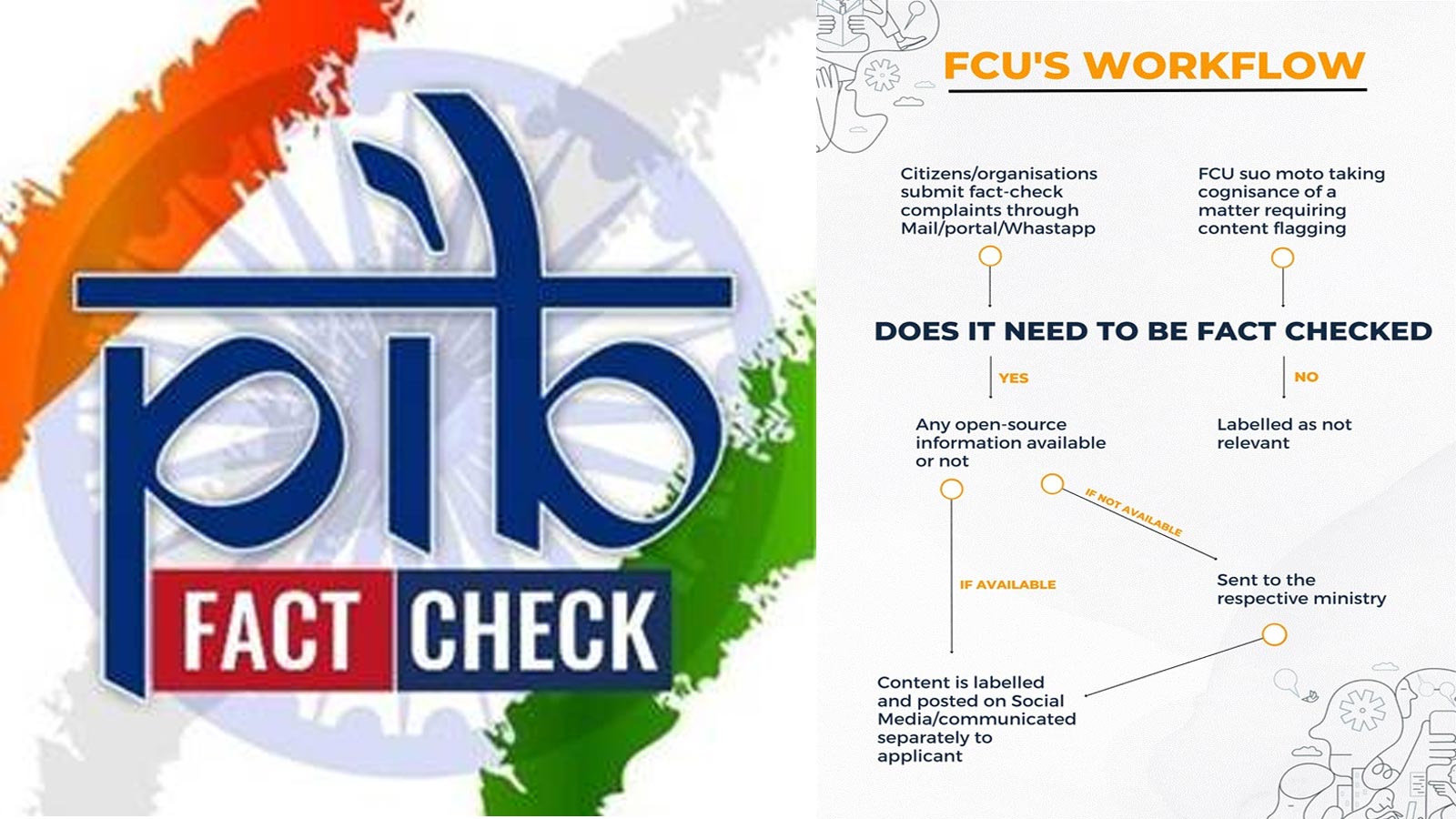
MUMBAI: In the age of viral forwards and deepfake déjà vu, the government’s fact-checkers are working overtime to separate fact from fiction. India’s Press Information Bureau Fact Check Unit (FCU), operating under the Ministry of Information and Broadcasting, has flagged a total of 2,913 instances of fake news and misinformation linked to the Central Government, highlighting the growing scale of the information battle in the digital era.
Tasked with identifying misleading content from AI-generated videos and deepfakes to forged notifications, letters and spoofed websites, the FCU verifies claims using authorised sources before publishing corrections across its social media channels. These include platforms such as X, Facebook, Instagram, Telegram, Threads and WhatsApp, turning the government’s digital presence into a real-time myth-busting network.
But the effort is not just top-down. The FCU has also been nudging citizens to play detective, encouraging users to report suspicious content for verification. The idea is simple: in a landscape where misinformation travels faster than facts, crowd-sourced vigilance can act as an early warning system.
The scale of intervention became particularly visible during Operation Sindoor, when the unit identified and countered a surge of misleading and hostile narratives circulating online. Alongside publishing verified information, the Ministry directed the blocking of more than 1,400 URLs on digital platforms, an aggressive move aimed at containing the spread of false and potentially harmful content.
The broader regulatory backbone for this effort lies in the Information Technology Rules 2021, which set out a Code of Ethics for digital publishers and establish a three-tier grievance redressal mechanism. The framework is designed to hold publishers of news and online curated content accountable, even as the ecosystem grows increasingly complex.
The update was shared in the Lok Sabha by L. Murugan, minister of state for information and broadcasting, in response to a question raised by V. K. Sreekandan.
Together, the numbers tell a clear story: misinformation is no longer a fringe problem but a mainstream challenge. And as the lines between real and manipulated content continue to blur, the battle for credibility is being fought not just in newsrooms but across every screen in the country.






