iWorld
Supriya Pathak shines in Auntypreneur by Pratik Kothari

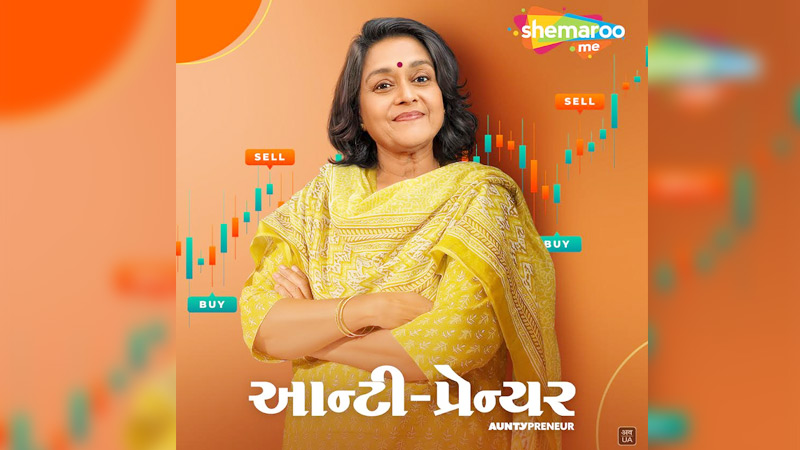
MUMBAI: If ambition had an age limit, Auntypreneur joyfully tears it up and starts again. ShemarooMe’s new Gujarati premiere turns everyday aunties into unlikely achievers, led by a sparkling performance from Supriya Pathak Kapur.
Directed by Pratik Rajen Kothari, the film follows Jasuben Gangani, a 65-year-old homemaker living in a modest Mumbai society. When her building faces demolition, Jasuben refuses to accept defeat. Instead, she rallies a lively group of homemakers, caretakers and quietly determined women to dive into the unpredictable world of entrepreneurship and stock trading.
What begins as a desperate attempt to save their homes soon becomes a spirited journey of rediscovery. With humour, heart and a nostalgic charm, Auntypreneur celebrates women who have spent decades nurturing families and now dare to nurture their own dreams.

Supriya Pathak Kapur brings Jasuben to life with warmth, subtlety and an unmistakable spark, making her one of the most endearing characters to grace the screen this year. She is supported by a strong ensemble featuring Ojas Rawal, Brinda Trivedi, Margi Desai and Yukti Randeria. Together, they deliver a story that balances gentle comedy with meaningful insight, proving that resilience can be as powerful as reinvention.
Reflecting on the film, Supriya Pathak Kapur said that courage can quietly brew in the corners of ordinary lives and that Auntypreneur honours women who challenge expectations, especially when life demands a fresh start. She hopes viewers recognise their mothers, grandmothers or even themselves in these characters who turn crisis into confidence.
Streaming now on ShemarooMe, Auntypreneur redefines entrepreneurship as something that belongs to anyone with a dream and determination. It offers a cheerful reminder that every day is an opportunity to begin again, no matter the age.






iWorld
Samay Raina returns with Still Alive, confronts 2025 controversy in bold comeback special
Comeback set tackles controversy, blending humour with raw storytelling
MUMBAI: Samay Raina is set to release his new stand-up comedy special, Still Alive, on YouTube on April 7, 2026, marking a high-profile return following a turbulent year.
The trailer for the special dropped on April 5, offering a glimpse into what Raina describes as a raw and unfiltered set that leans as much on honesty as it does on humour.
Positioned as a comeback of sorts, Still Alive draws heavily from the controversy surrounding his show India’s Got Latent in early 2025. The episode led to legal trouble, multiple FIRs, and a lengthy six-hour interrogation by the Maharashtra Cyber Cell, placing the comedian at the centre of intense public scrutiny.
Rather than sidestep the episode, Raina leans into it. The special reflects on the fallout and his personal journey through it, blending observational comedy with moments of emotional candour. Early audience feedback from live performances suggests the tone is less about rapid-fire punchlines and more about storytelling with bite.
The special was filmed during his global Still Alive & Unfiltered tour, which ran from August 2025 to early 2026. The tour saw Raina perform across major international venues, including the Madison Square Garden Theatre in New York, a milestone that places him among the youngest Indian comedians to take that stage.
The title itself signals resilience. “Still Alive” is a nod to navigating both legal and public backlash while choosing to remain unapologetically authentic, a theme that appears to anchor the set.
With the special set to premiere online, all eyes are now on how audiences respond to a performance that promises equal parts reflection and wit. For Raina, the message is clear. He is not just back, he is ready to be heard on his own terms.






