iWorld
Sunil Mittal advocates hiking minimum tariff, strategic content deals for ARPU growth

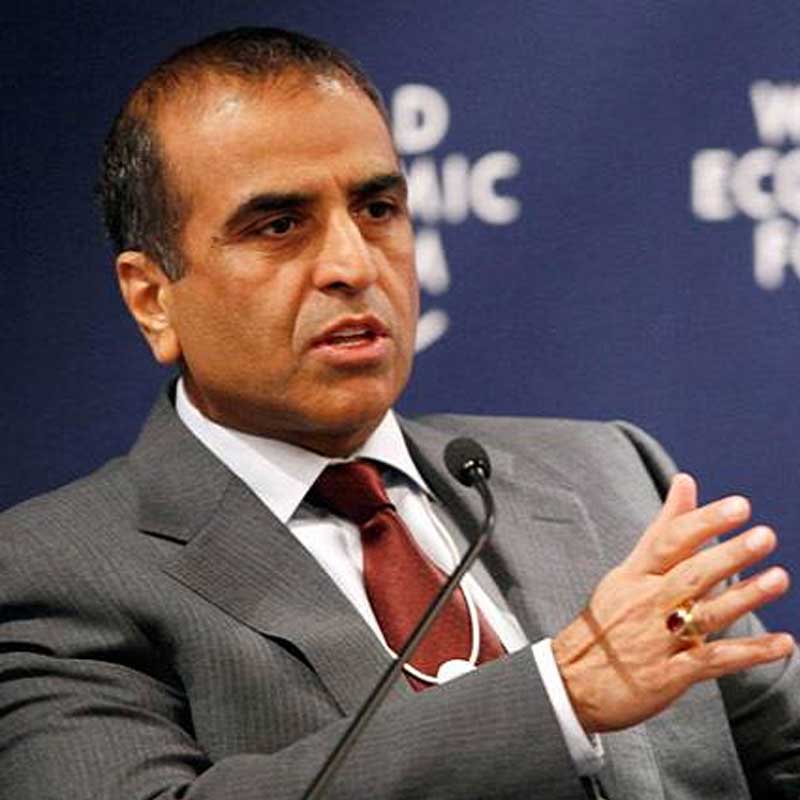
MUMBAI: India’s telecom industry has been bleeding losses for some time now. The entry of Reliance Jio in the market has only made things even more challenging. Airtel’s Sunil Bharti Mittal thinks 2020 could be the year when this haemorrhaging may stop. He also thinks that taking the lower table of tariff up and strategic content deals with online video platforms can help the industry to improve ARPUs which has been sliding continuously.
In an interview with BloombergQuint at the World Economic Forum, Mittal said that getting more customers is necessary for telcos to drive up ARPUs. He mentioned Airtel’s recent move of limiting its minimum to Rs 35. If customers positively respond to the step, then Airtel may take it up to Rs 60 or 80.
“There’s got to be a minimum ARPU coming in. Even for Reliance Jio, their minimum pack is Rs 50, there’s nothing below that. So you’ll have to keep taking the lower table up. And those people who are gouging a lot of data will have to start giving more than Rs 399. They were comfortably giving Rs 500-800,” Mittal added.

Mittal also pointed out that right segmentation is a necessity and providing high-end customers access to content platforms like Netflix, Amazon, Zee or Wynk for music will also help telco players. He is also hopeful that the trend of ARPUs going up will be visible from 2019.
After disrupting mobile broadband sector, Jio is now prepping up for its grand entry in fixed line broadband also. Although Mittal thinks there will be some turbulence in the sector, he is confident about surviving the upcoming storm on the back of previous experience. Despite the segment being a small part of the business, Airtel is planning to grow there. “We have been reducing our tariffs from Rs 1100 to now around Rs 700. So it will settle at around Rs 500 depending on where Jio comes in with pricing,” he commented.
In the changing scenario, many telecom players both in India and outside India are eying on building a content library while some of them are venturing into content creation. Though Airtel is striking strategic partnerships with various OTT players, it isn't interested in investing in content creation.
“We are not going to develop content on our own but we are partnering with Netflix, Amazon, Eros, Zee, Hulu. We are becoming the partner of choice as a telecom carrier for all the content players. That’s our strategy. We are not going to make investments in the areas we don’t understand very well. Similarly, we will go for e-commerce. Eventually, if that plays out then there are enough e-commerce companies who will seek us out,” Mittal commented on partnerships over acquisition of digital content.







iWorld
What SMS letters G, T, S and P mean and how they help spot scams
Small alphabet tags on messages reveal whether texts are government or ads.

MUMBAI: Sometimes the smallest letter in a message can be the biggest clue. In an age where smartphone users receive dozens of alerts every day, the tiny alphabet appearing at the end of many SMS messages can reveal whether a text is official, transactional, service related or simply promotional. Understanding these tags can help users quickly identify legitimate messages and stay alert to potential scams.
Under telecom regulations in India, SMS senders are required to categorise messages based on their purpose. As a result, many texts end with a single letter that indicates the type of communication being sent.
If an SMS ends with the letter G, it typically means the message has been sent by a government authority. These alerts may include information about public services, government schemes, safety advisories or emergency notifications such as natural disaster warnings.
A message ending with the letter T signals a transactional SMS. These are usually sent by banks, financial institutions or digital services to confirm activities such as payments, account updates or one time passwords (OTPs).
The letter S represents a service related message. These notifications commonly come from companies and online platforms providing updates about services or orders. For instance, e commerce platforms like Amazon or Flipkart often send delivery updates and order confirmations that end with the letter S.
Meanwhile, SMS messages ending with the letter P are promotional in nature. These texts are typically marketing communications sent by businesses advertising products, offers or services such as education programmes, fashion sales or loan schemes.
Understanding these simple tags can also help users stay cautious about fraudulent messages. Cybersecurity experts note that scam messages often do not follow these regulated formats and may arrive without any category letter at the end.
While the absence of a tag does not automatically mean a message is fraudulent, it can serve as an early warning sign encouraging users to verify the source before clicking links or sharing personal information.
For those who wish to reduce marketing texts altogether, telecom operators also provide Do Not Disturb (DND) options.
Users of Jio can activate DND through the MyJio app by navigating to the menu, selecting settings and enabling the DND option with preferred filters.
Similarly, subscribers of Airtel and Vi can enable the same feature through their respective mobile apps to block promotional messages.
In a digital world flooded with alerts and notifications, recognising what a single letter means could make the difference between a harmless update and a potential scam.