iWorld
Streaming successfully, the ViacomCBS way


MUMBAI: A couple of weeks ago, ViacomCBS CEO Bob Bakish announced a new international streaming service – replacing CBS All Access – which would be launched in the first phase in Australia, Latin America and the Nordics in 2021. It would be the second streaming service under the Viacom-CBS umbrella, the first being the free streamer Pluto TV, which it acquired in 2019 for $340 million.
Speaking at APOS yesterday ViacomCBS Networks International (VCNI) president & CEO David Lynn said that “Asia is a significant territory, the markets there are extremely advanced in OTT and streaming. However, we have not decided on the markets. What differentiates us is the free play we have through Pluto and the paid one through the super streamer we are planning. Having two products allows us the flexibility to decide what plays out where. Indonesia is an advertising- based market whereas Japan is subscriber-oriented. What we know is that the partnerships we have had with mobile in those regions are going to be important, particularly around 5G, and we can work with the operators to market that service.”
He additionally sees opportunities in Asia for Noggin, the preschool kids services which have been launched internationally on Amazon and Apple channels.

Lynn revealed that in India, ”Viacom-CBS has a very material successful business in Viacom18 that has been built out over more than a decade. That business-like several other businesses has had the impact of Covid2019, but we are beginning to move past that. We are seeing our production ramp-up again, we are seeing viewership follow the new production and we are seeing the ad markets recovering.”
He further explained that the strategy for India is similar to the international streaming strategy. “We have a very successful leading free streaming service in Voot. Then we have a premium paid premium service called Voot Select, which has got off to a significant start,” he said. “The core business is very strong, the move into streaming presents a huge opportunity and is off to a successful start, and not the least because of our partnership with Reliance and their ownership of Jio which is an incredible driver of streaming. “
Clearly, even as different publications have been going to town writing for the past two years – and more aggressively recently – about the impending merger of Sony with Viacom18, Lynn did not once mention that any such talks were on.
Lynn further expressed that the new global subscription OTT will have an output premiere deal with Showtime, CBS-All Access, content from Paramount Pictures, MTV, Nickelodeon and Comedy Central. “It is going to be a supersized streaming service,” he said. “With the massive content from Viacom-CBS. “
Lynn revealed that the 30 countries that Viacom-CBS has operations in and the assets, and relationships, the local content will be leveraged to push the super- sized streaming service. “We want to become a material player from the advertising, subscription and licensing perspectives and become a market leader in streaming internationally,” he stated.






iWorld
Samay Raina returns with Still Alive, confronts 2025 controversy in bold comeback special
Comeback set tackles controversy, blending humour with raw storytelling
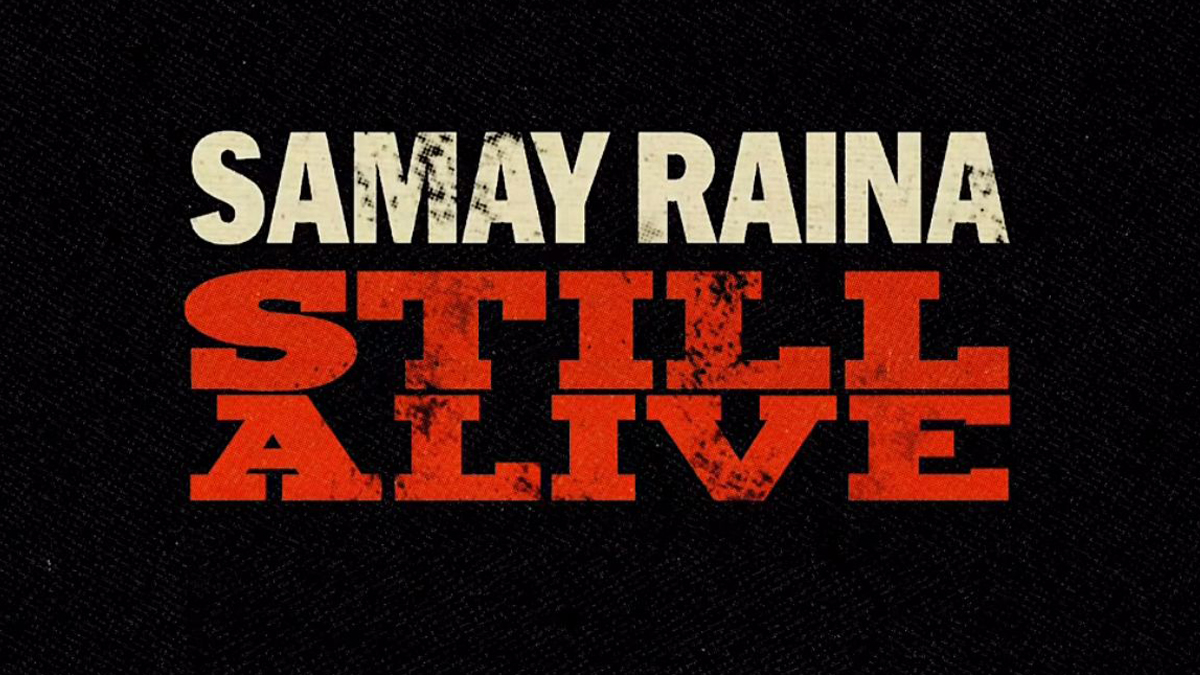
MUMBAI: Samay Raina is set to release his new stand-up comedy special, Still Alive, on YouTube on April 7, 2026, marking a high-profile return following a turbulent year.
The trailer for the special dropped on April 5, offering a glimpse into what Raina describes as a raw and unfiltered set that leans as much on honesty as it does on humour.
Positioned as a comeback of sorts, Still Alive draws heavily from the controversy surrounding his show India’s Got Latent in early 2025. The episode led to legal trouble, multiple FIRs, and a lengthy six-hour interrogation by the Maharashtra Cyber Cell, placing the comedian at the centre of intense public scrutiny.
Rather than sidestep the episode, Raina leans into it. The special reflects on the fallout and his personal journey through it, blending observational comedy with moments of emotional candour. Early audience feedback from live performances suggests the tone is less about rapid-fire punchlines and more about storytelling with bite.
The special was filmed during his global Still Alive & Unfiltered tour, which ran from August 2025 to early 2026. The tour saw Raina perform across major international venues, including the Madison Square Garden Theatre in New York, a milestone that places him among the youngest Indian comedians to take that stage.
The title itself signals resilience. “Still Alive” is a nod to navigating both legal and public backlash while choosing to remain unapologetically authentic, a theme that appears to anchor the set.
With the special set to premiere online, all eyes are now on how audiences respond to a performance that promises equal parts reflection and wit. For Raina, the message is clear. He is not just back, he is ready to be heard on his own terms.






