iWorld
Stepathlon appoints sports industry veteran Nick Rusling as MD

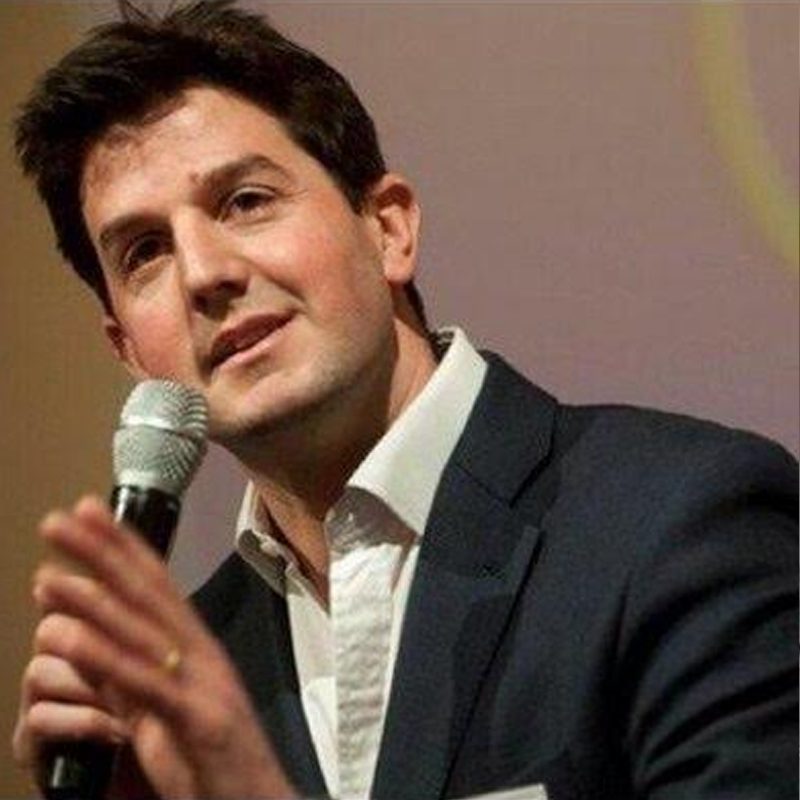
Mumbai: Technology-driven fan engagement company, Stepathlon has appointed Nick Rusling, a veteran of the sports industry, as managing director. Rusling will be based in London and will report to CEO & chairman Ravi Krishnan.
Rusling has been associated with the sports industry for over 25 years. After working with the sports behemoth, IMG, Rusling turned entrepreneur and started Human Race Events in 2010. Human Race acquired 10 other businesses during its growth phase, created many events from scratch, and in 2016, was acquired by ASO, the owners of the Tour de France, Dakar Rally, and Paris Marathon.
Krishnan said, “I have known Nick for over 15 years. He’s not only a great professional from the sports industry but also has relevant commercial, digital, and leadership skills to complement the Stepathlon team. He brings with him many important and relevant relationships in the UK and European market in multiple areas that are relevant for the growth of the company.”

Since 2001, Rusling has been primarily focused on the mass participation industries – running, marathons, cycling, and triathlon – delivering hundreds of events for millions of participants all around the world, including the UK, Abu Dhabi, Stockholm, and Barcelona. Prior to mass participation events, Rusling worked as a sports agent, representing Ian Botham, Pat Cash, and Damon Hill.
Krishnan added, ” Nick has been building some of the most successful events in the market in some of the greatest cities in the world, pioneering digital progress to enhance the customer experience beyond event day.”
Rusling commented, “I am driven, both personally and in business, by getting the world fit and active. The genius of Stepathlon is that we harness the power of fan communities in the world of sport, music and beyond, to inspire and motivate millions of people to get fit and healthy together—all by taking part in our virtual races, unrestricted by the capacity of roads. The opportunity is limitless as everyone is a fan of something.”
Rusling has also been heavily involved in the charity sector, helping raise over £150 million for multiple causes, and has worked as a trustee for sports-based charities, Herne Hill Velodrome Trust and Women in Sport.
The appointment follows a new global round of investment that Stepathlon has raised from a pre-eminent mix of individuals from the world of sports, entertainment, media and lifestyle, and prominent investors from private equity, technology, ESG and family offices. Demonstrating confidence in the technology-driven fan engagement business of Stepathlon, existing and new investors participated in this fresh round of capital raise by the company.




iWorld
Bill Ackman’s Pershing Square makes $64 billion bid to acquire Universal Music Group
Ackman pitches NYSE relisting plan as UMG board weighs unsolicited offer

The hedge fund has proposed a business combination that values UMG at €30.40 per share, representing a hefty 78 per cent premium to its current trading price. The offer includes €9.4 billion in cash alongside stock in a newly formed entity, with shareholders set to receive €5.05 per share in cash and 0.77 shares in the new company for each UMG share they hold.
Under the proposal, UMG would merge with Pershing Square SPARC Holdings Ltd and re-emerge as a Nevada-based entity listed on the New York Stock Exchange. The move is designed to boost investor visibility and potentially secure inclusion in major indices such as the S&P 500.
Pershing Square Capital Management ceo Bill Ackman argued that while UMG’s operational performance remains strong, its market valuation has lagged due to external factors. “UMG’s stock price has languished due to a combination of issues that are unrelated to the performance of its music business,” Ackman said, pointing to concerns ranging from shareholder overhang to delayed US listing plans.
Ackman also flagged what he sees as untapped potential in UMG’s balance sheet and a lack of clear capital allocation strategy. He added that the market has not fully recognised the value of UMG’s €2.7 billion stake in Spotify, alongside gaps in investor communication.
The proposed transaction would also result in the cancellation of around 17 per cent of UMG’s outstanding shares, while maintaining its investment-grade balance sheet. Pershing Square has said it will fully backstop the equity financing, with debt commitments secured at signing. The deal is targeted for completion by the end of the year.
UMG, however, has struck a measured tone. The company confirmed that its board has received the non-binding proposal and will review it with advisers. It reiterated confidence in its current strategy and leadership under Lucian Grainge, signalling no immediate shift in stance.
The proposal comes at a time when global music companies are navigating evolving investor expectations, streaming economics and capital allocation pressures. For Pershing Square, the bet is clear: sharpen the financial story, relist in the US, and let the music play louder in the markets.
Whether UMG’s board is ready to change the tune remains to be seen, but the spotlight on its valuation just got a lot brighter.






