GECs
Star India to initiate creative freedom discussions with TV producers

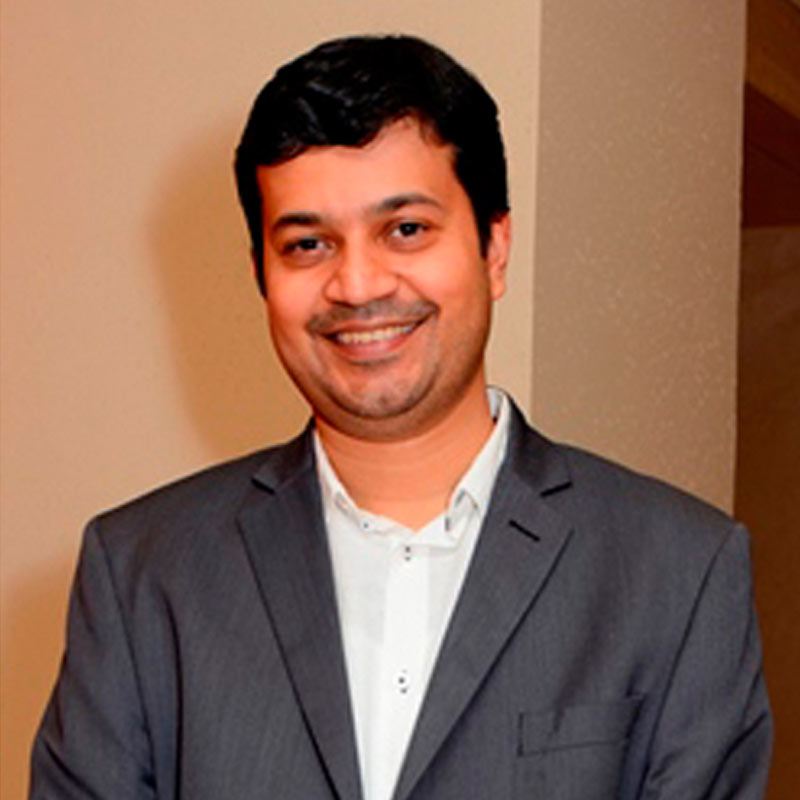
MUMBAI: Remember the terms perestroika? Glasnost? The first stands for reformation, the second for openness. Both were popular terms used in reference to the USSR as it crumbled to herald the freedom that hit it in the late eighties and nineties.
Some of that is about to hit Indian television. Remember last week’s admission by Star India deputy chief creative officer Gaurav Banerjee that the network may have erred by starting the mad race of pursuing seven days of soap and drama every week from the five days formula earlier. Speaking at the Indian ScreenWriters’ Conference in Mumbai he candidly stated: “I confess that it was a mistake because we reduced the ideation time of writers and of actors as well. We thought that we could manage the workload and it won’t affect the product but unfortunately we were thinking of a TV industry as a pizza delivery service which was big mistake.”
He also announced that Star India would cut back the seven-days-a week to five days once again.

Now Star India and Gaurav are going a step further. He has told producers that he would be more than happy to extend creative freedom to them, something they have been pleading for, demanding and crying for. Each show, said Banerjee, would have a single show runner giving it the much needed vision. He has invited producers for a meeting in Star India’s office on 20 August to further spell out what he means by creative freedom.
The producers’ fraternity is very excited about the new initiative by Star and are welcoming it. Says Frames Production founder Ranjeet Thakur: “It’s a very great move for the industry on the whiole because the minute the producer comes with a certain plot thought or idea I think it works better. The producer has some vision behind the show and if that creative freedom is given to them to execute in the same manner, it’s a wonderful thing to be happening in the industry. It’s a very positive note. It’s a great move by Gaurav and Star and slowly it will become the norm of the industry.”
Colosceum Media CEO Lalit Sharma adds, “Firstly, it’s a very good take towards producing good content. Now the show runner will have the responsibility. It’s the happiest moment for the Indian producers but along with that there comes a responsibility. It looks like a win- win situation but one has to be extremely responsible for what they are producing.”
Fortune Production founder Farhann Salaruddin opined, “It’s totally yes to the intention of giving creative freedom to producers and a lot of people must been waiting for this day to have the ball in their court. Whatever you make good or bad the credit will be yours. It’s a good move but how successful it will be only time will tell us.”
Shakuntalam Telefilms founder Shyamasis Bhattacharya adds: “ It’s a welcome move. I think we all (producers community) have been wanting this to happen. Last year we met all the CEOs of different channels asked for the same and Star taking the lead is appreciated. Now there will be one vision that can be of the broadcaster’s show runner or the producers. That’s exactly what happens across the world and also in India but not to that extent. If you see Balaji’s shows’ success rate its high because their shows run after Ekta’s vision. I believe the shows’ success rate will go up after this move.”
And that is exactly what Gaurav is hoping will happen.






GECs
Sahara One reports financial results, notes director exit and business realignment
Muted revenues, steady expenses and strategic adjustments shape company’s current phase

MUMBAI: In a tale where the sands seem to be slipping faster than they can be gathered, Sahara One Media and Entertainment Limited has reported another quarter of wafer-thin income and widening losses, even as a boardroom exit adds to the unease.
The company informed the Bombay Stock Exchange that its board, in a meeting held on April 4, approved its unaudited financial results for the quarter ended September 30, 2025. The numbers paint a stark picture. Total income for the quarter stood at just Rs 0.13 lakh, unchanged sequentially and sharply down from Rs 0.26 lakh a year earlier.
Losses, meanwhile, deepened. The company posted a net loss of Rs 24.16 lakh for the quarter, compared to Rs 18.81 lakh in the June quarter and Rs 39.69 lakh in the same period last year. For the six months ended September 2025, the cumulative loss stood at Rs 39.69 lakh, while the full-year loss for FY25 was reported at Rs 60.72 lakh.
Expenses continued to outweigh income by a wide margin. Total expenses for the quarter came in at Rs 24.30 lakh, led by employee benefit costs of Rs 6.51 lakh and other expenses of Rs 17.78 lakh. Earnings per share remained in the red at Rs (0.11) for the quarter.
The balance sheet reflects a company with significant assets on paper but limited operational momentum. Total assets stood at Rs 23,065.57 lakh as of September 30, 2025, broadly unchanged from March 2025. Equity share capital remained steady at Rs 2,152.50 lakh, while total equity was reported at Rs 18,004.85 lakh.
Cash and cash equivalents saw a modest uptick to Rs 6.75 lakh from Rs 4.68 lakh earlier, supported by a positive operating cash flow of Rs 180.01 lakh for the period.
Yet, beneath these numbers lies a more complex narrative. The company’s auditors flagged their inability to obtain sufficient evidence to form a conclusion on the financial statements, citing lack of access to records. They also raised concerns over the company’s ability to continue as a going concern, pointing to insufficient funds, delayed recoveries, and stalled content investments.
Adding to the governance overhang, the company disclosed that Rana Zia has resigned as whole-time director, effective October 16, 2025, citing other professional commitments. The resignation, noted and accepted by the board, also brings an end to her role across company committees.
Regulatory pressures continue to loom large. The Securities and Exchange Board of India has already initiated penal actions for non-compliance with listing norms, with trading in the company’s shares remaining suspended. There is also a risk of promoter demat accounts being frozen.
Legacy legal issues remain unresolved. A substantial deposit of Rs 694,027.88 thousand linked to the long-running OFCD dispute involving Sahara group entities is still under the purview of the Supreme Court of India. Restrictions on asset disposal continue to weigh on the company’s financial flexibility.
Operationally, challenges persist across multiple fronts. Advances worth Rs 1,92,916 thousand given for film content remain stuck, with delays in project completion and uncertain recoverability. The company’s YouTube channel, despite being operational, has generated no revenue for over three years due to compliance lapses. In a further twist, management has indicated that revenues may have been fraudulently diverted through unauthorised changes to its AdSense account, with a police complaint in the works.
There are also missed revenue opportunities. Television content rights continue to be used by a related party despite the expiry of the licence agreement, with fresh negotiations still underway.
For now, Sahara One Media and Entertainment Limited appears caught between legacy disputes and present-day operational hurdles. As losses linger and governance questions mount, the road to recovery looks less like a sprint and more like a slow trudge through shifting sands.






