Content Hub
Spontaneity, gut feeling are fundamentals of my direction: Badhaai Ho director Amit Sharma

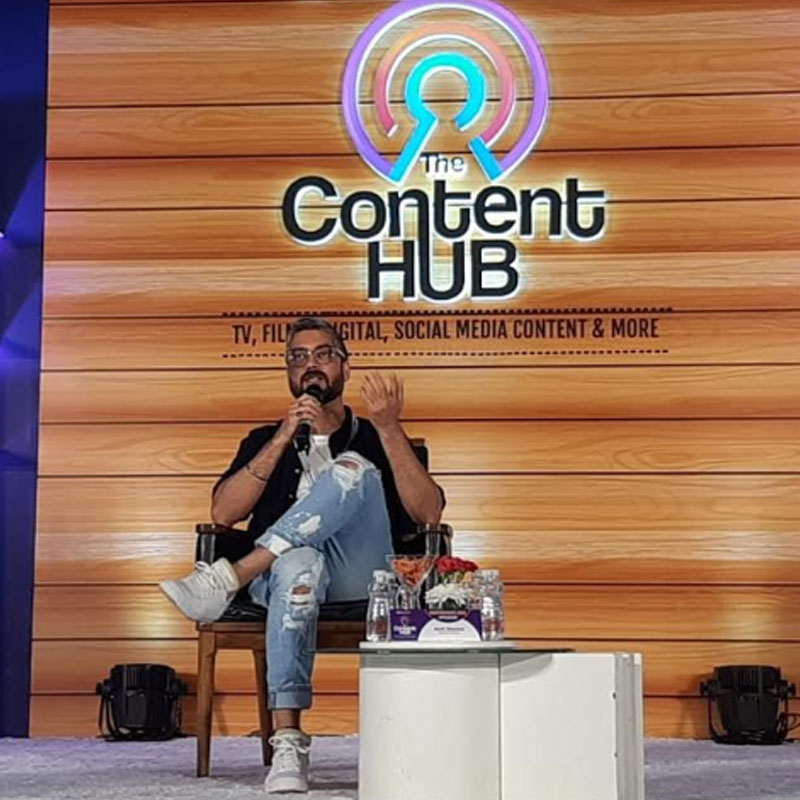
MUMBAI: The director is like the manager of a film who brings talent under one roof and extracts it to create good content, said film director and producer Amit Sharma while addressing fellow and budding content creators at the fourth edition of The Content Hub 2020 organised by indiantelevision.com earlier this month.
Sharma is the director of Ayushmann Khurrana-starring Badhaai Ho and is currently directing Ajay Devgn for an upcoming project called Maidan, which is scheduled for later this year.
While guiding content creators, he shared his experience of filmmaking and said that he believes in ‘NG cuts’ (not good cuts), which majority of the time, are useful for the film. He, playing a scene from his last directorial, explained the audience how a narration or storytelling should be done and how every director has their own journey to tell the story.

He also told the audience, “I never say cut as when you don’t say cut, the actor keeps improvising and this eventually helps to get the different moods of the character that the actor is playing.”
Sharma said that he has never liked reading a script and has always visualised a scene before taking a final shot. “I don’t read scripts because I remember the story of the film with dialogues, full stop, and commas mentioned in the script. I also don’t make storyboards; don’t write my shots as it’s all in my mind,” he said.
In fact, he even leaves home with a blank mind. “I usually don’t have any idea or agenda while leaving from the home for shooting. Rather, during the shoot, I enact the scene to my actors along with the screenplay.”
Sharma, being a keen observer, points out that it’s important to feel the film from the perspective of different departments such as sound, art and DoP. The film is a team effort with music, actors’ performance and writers, among others.
Giving his mantra to the audience, Sharma said, “Spontaneous is the word that works for me and believing in gut feeling, which helps me create a scene or film. These two phenomena are the basic fundamentals of my direction.”
For him, it’s important that the scene affects him emotionally because only then will the audience also feel the same. “I like to play with the emotions of the audience in a good manner. My work is only done when the audience leaves theatres with either teary eyes or happy faces,” he added.
Before concluding, he proudly mentioned that extracting performance from the actors is something that is his forte.




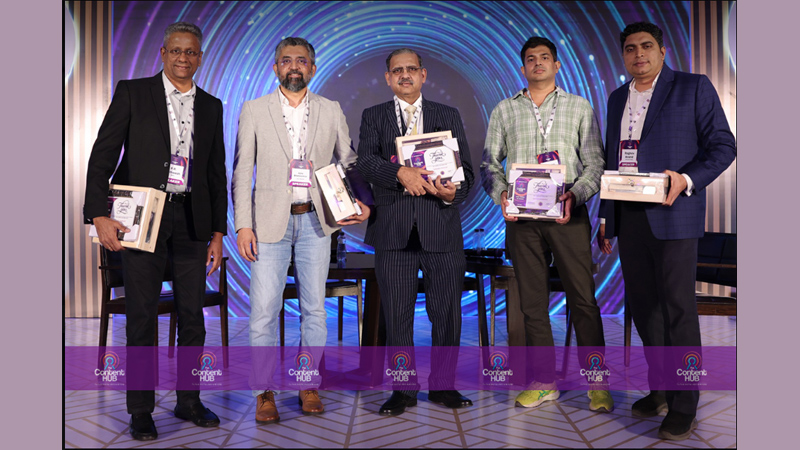
Mumbai: Exploring the shift from regional to national content, this synopsis delves into the trends and challenges. It navigates the transformation, analyzing industry dynamics, emerging trends, and the hurdles faced. From preserving regional variation to adapting to a broader audience, it examines the multifaceted journey of regional content evolving into a national narrative. In what ways do the emerging trends and challenges influence the dynamics of the entertainment industry during this transition? How can creators navigate these changes effectively? What strategic approaches can content creators adopt to strike a balance between maintaining regional identity and fostering a cohesive national narrative in their work? How can the transition from ‘regional’ to ‘national content’ impact cultural diversity within the entertainment industry, and what measures can be taken to ensure the preservation of regional variation?
In a rapidly evolving media landscape, seasoned industry professionals have offered valuable insights into the transformation of content consumption and production. The session was chaired by Ernst and Young partner Raghav Anand, MMTV chief executive officer P.R. Satheesh, Sony Marathi business head Ajay Bhalwankar, PTC Network chairman & MD Rabindra Narayan, Shemaroo Entertainment COO, Digital, Saurabh Srivastava esteemed voices in the field, have articulated their perspectives on the burgeoning shift towards globalised content.
Rabindra Narayan emphasised the dissolution of regional boundaries in content consumption, attributing it to the accessibility facilitated by global platforms and connectivity options. He predicts a future where language barriers will fade, citing the potential of technology to clone and adapt voices, thus enabling seamless localization across languages.
Saurabh highlighted the democratisation of content creation in the digital era, underscoring its empowerment and revenue potential, particularly in linguistically diverse markets like India. He emphasizes the value of culturally rooted storytelling in filling gaps in content supply, with technology enabling effective monetization, especially through OTT platforms.
Ajay Bhalwan sheds light on the evolving landscape of Hindi and regional language content, noting a significant shift where a substantial portion of content on Hindi film channels originates from regional languages. He accentuates the importance of language in enhancing authenticity and audience engagement, exemplified by the strong resonance of Marathi content in Maharashtra.
PR Satheesh underscored the paramount importance of content quality in driving viewership and transcending language barriers. Drawing parallels with the global popularity of Korean dramas, he advocates for leveraging technology, including AI and real-time translations, to enhance content creation and distribution.
These insightful perspectives collectively echoed the industry’s adaptation to a globalised content landscape, where technology catalyzes innovation and accessibility. As content continues to evolve, these experts offered valuable guidance on navigating the dynamic media landscape and maximizing the impact of storytelling in diverse markets worldwide.






