Applications
Sony Liv opens voting phase for ‘Indian Idol Junior 2’


MUMBAI: Multi Screen Media’s (MSM) digital video entertainment brand Sony Liv is currently hosting the digital telecast of Indian Idol Junior season two (IIJ) which launched on 20 May.
The show features budding singers from around the country competing with each other for the grand title of the next IIJ2.

The voting process, which commences on 4 July will take place exclusively through the digital medium and closes on 5 July at 8 am. Audience need to simply download Sony Liv app from app store and vote for their favourite contestant through the app.
Indian Idol Junior, India’s foremost singing talent show for young singers, was extremely well received by the audience during its first season. With contestants from as far as Dubai participating in the musical extravaganza in its second edition, the show promises to be bigger and more challenging in its return outing.
With a jury comprising Vishal Dadlani, Sonakshi Sinha, Salim Merchant and Shalmali Kholgade, it promises to reprise its knack of scouting for young talent aged five to 15 and offering them a nationwide platform to showcase their vocal skills to become household names.
The 13 contestants entering voting phase are Subhankar sarkar, Ranita Banerjee, Yumna Ajin, Niharika Nath, Ajay Bhirjwasi, Vaishnav Girish, Ananya Sritam Nanda, Nahid Afrin, Vidhi Jaswal, Srilakshmi Belmannu, Moti Khan, Nithyashree Venkataramanan, Surendra Singh Panwar. The show is hosted by hosted by charming Hussain Kuwajerwala and Asha Negi.
SET EVP and digital entertainment head Uday Sodhi said, “Indian Idol Junior was extremely successful in its debut season and showed that music really has no boundaries. With the show set to provide a bigger and grander stage this time, Sony Liv aims to increase the outreach of the programme by providing anytime digital access to its diverse user base. The fact that voting lines are now open exclusively through the app or our online interface proves how the show is increasingly establishing a digital presence for its audience.”







Applications
With 57 per cent single new users, Ashley Madison rebrands as discreet dating platform
Platform says majority of new members now identify as single
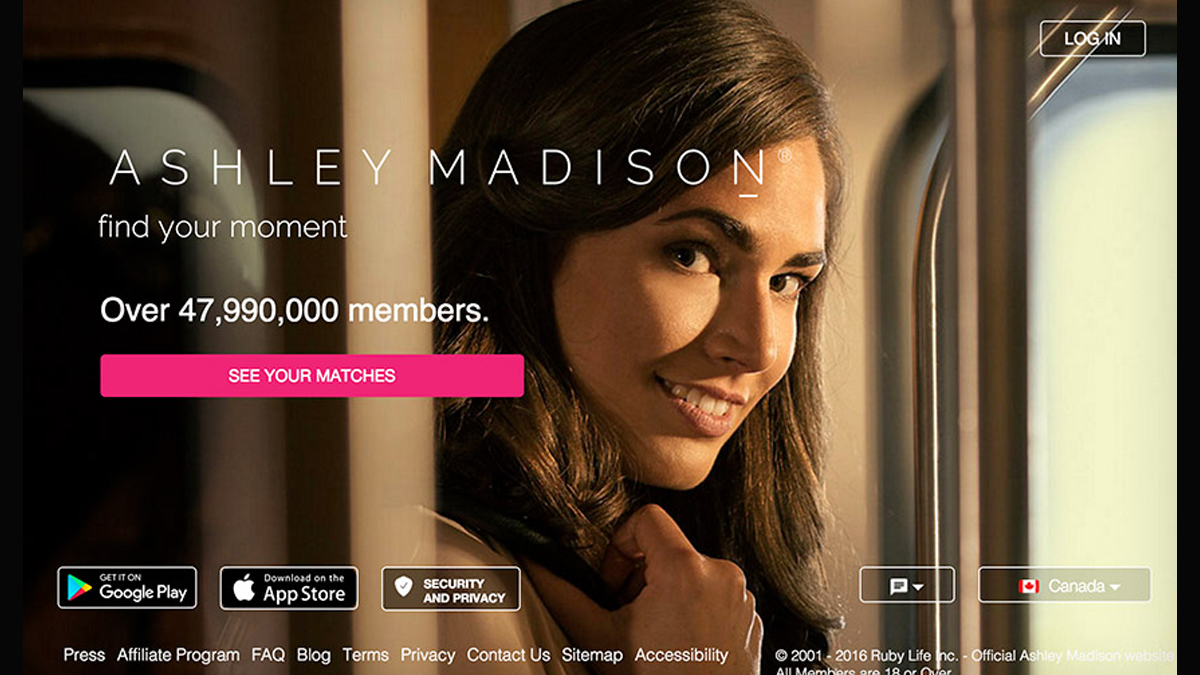
INDIA: Ashley Madison is shedding the “married-dating” label that defined it for two decades, repositioning itself as a platform for discreet dating in what it calls the post-social media age.
The rebrand, unveiled in India on 27 February, 2026, marks a structural shift in business model and identity. Once synonymous with married dating, the company now describes itself as the “premier destination for discreet dating” under a new tagline: Where Desire Meets Discretion.
The pivot is data-driven. Internal figures show that 57 per cent of global sign-ups between 1 January and 31 December, 2025 identified as single: a notable departure from the platform’s married core. The company argues that its community has already evolved beyond its original positioning.
“In an age where our lives have been constantly put on public display, privacy has become the new luxury,” said Ashley Madison chief strategy officer Paul Keable. He framed the platform’s offering as “ethical discretion” for singles, separated, divorced and non-monogamous users seeking private connections.
The shift also taps into wider digital fatigue. A global survey conducted by YouGov for Ashley Madison, covering 13,071 adults across Australia, Brazil, Canada, Germany, India, Italy, Mexico, Spain, Switzerland, the UK and the US, found mounting discomfort with hyper-public online lives.
Among dating app users, 30 per cent cited constant swiping and messaging as a source of fatigue, while 24 per cent pointed to pressure to curate public-facing profiles and early personal disclosure. Some 27 per cent said fears of screenshots or information being shared contributed to exhaustion; an equal share cited unwanted attention.
The retreat from oversharing appears broader. According to the survey, 46 per cent of adults actively try to keep most aspects of their life private online. Only 8 per cent feel comfortable sharing most aspects publicly, while 35 per cent say they are becoming more selective about what they disclose.
Ashley Madison is betting that this cultural recalibration towards controlled visibility can be monetised. By doubling down on privacy infrastructure and reframing itself around discretion rather than infidelity, the company is attempting to convert reputational baggage into a premium proposition.