iWorld
Snapchat and IAA help creatives tap into the future of AR storytelling

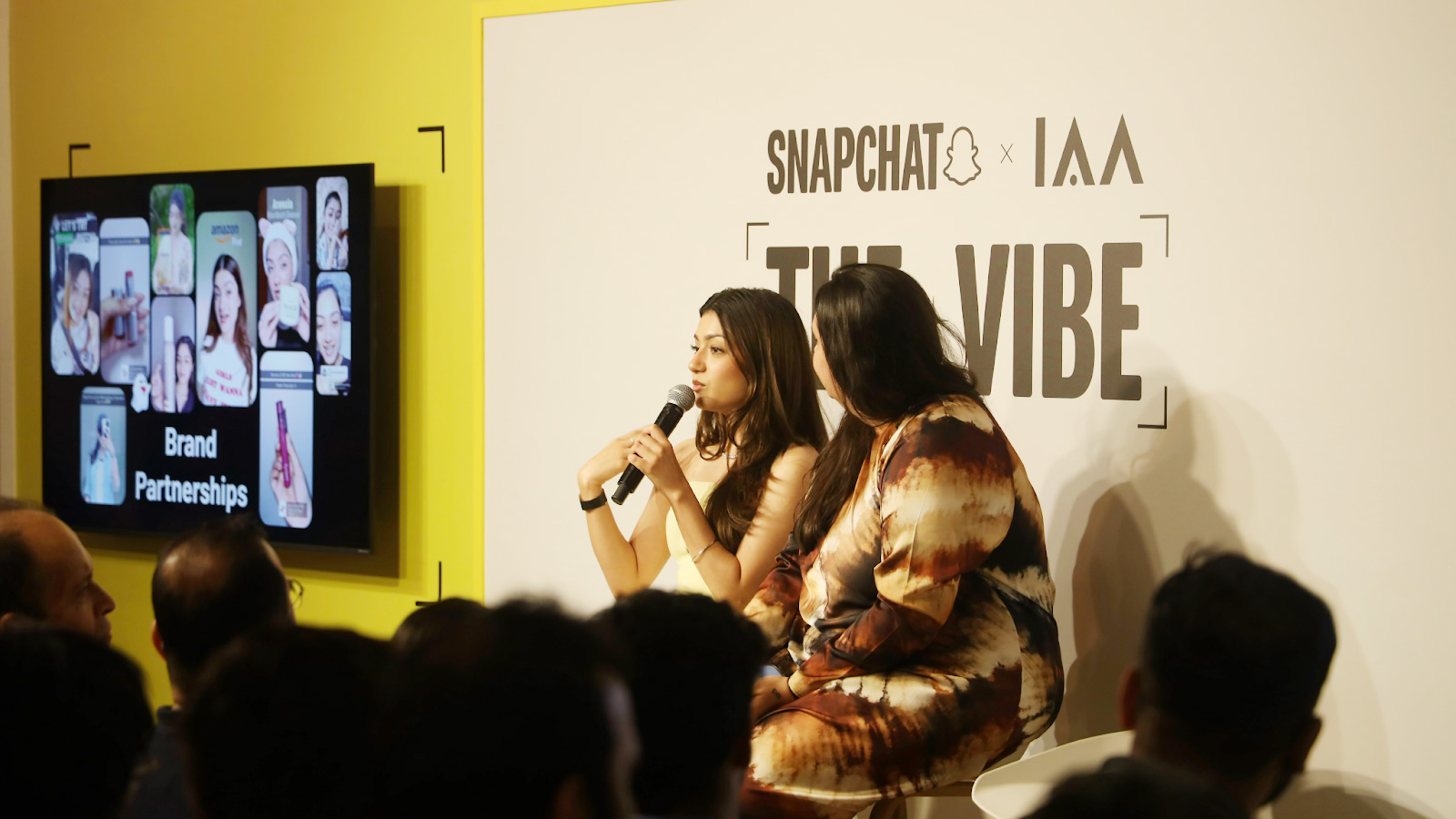
MUMBAI: If advertising is chasing the next big idea, Augmented Reality might just be the plot twist nobody saw coming. And last evening, India’s creative community got a front-row seat to that future as the International Advertising Association (IAA) India Chapter, in partnership with Snapchat, unveiled ‘The Vibe,’ a first-of-its-kind immersion into how AR could rewrite the rules of brand storytelling.
Held in Mumbai, the showcase pulled in 150 plus top creative professionals from agencies that shape India’s cultural pulse, Ogilvy, McCann, VML, Leo Burnett, Accenture Song, Schbang, Havas, Tilt Brand Solutions, Talented, FCB Kinnect, 22 Feet, WATConsult, Moonshot, Rediffusion, Creativeland Asia, Dentsu Creative, Mullen Lintas, Lowe Lintas, Madison Communications and many more. A gathering this stacked made one thing clear: when Snapchat calls, the industry shows up.
The evening opened with a warm welcome from Abhishek Karnani, President, IAA India, followed by Kranti Gada, IAA Mancom Member and lead for the IAA Young Professionals Programme. She underscored the initiative’s mission empowering under-35 talent through exposure, learning and collaborations that matter in an industry being reinvented in real time.

Setting the tone for what AR means today and what it could become tomorrow Snap Inc., director & head of content & AR partnerships Saket Jha Saurabh mapped out the growing significance of augmented layers in creative work. For agencies and brands navigating fragmented attention spans, AR isn’t just a gimmick anymore; it’s a behaviour.
The spotlight then shifted to Snap Inc., creative lead Avijit Pathak who delivered a deep-dive session into AR workflows, tools, and campaign applications. From lens-building to AR-native storytelling, the walkthrough offered a practical look at how brands can elevate engagement by inviting audiences to step into the story instead of just watching it.
A lively fireside chat followed, featuring Snap Star Amulya Rattan, moderated by Roxanne Chinoy from Snap’s Talent Partnerships team. With a combined 9 million-strong community across platforms, Amulya unpacked how AR effects have become essential to creator expression not just beautification, but world-building.
During the open Q&A, attendees grilled the panel on campaign execution, collaborative frameworks, and real-world case studies. The questions made it evident that AR has moved from fringe experiment to creative toolkit with many wanting to understand how to integrate it into brand narratives without losing authenticity.
Then came the moment that stole the evening guests trying on Snap’s AR Spectacles. The hands-on experience transformed abstract concepts into immersive reality, giving creatives a glimpse of next-generation storytelling in full 3D, full motion, and full imagination.
As conversations flowed into networking over food and drinks, one thing became clear: ‘The Vibe’ wasn’t just a demo, but a cultural nudge. AR is no longer a cool add-on, it’s a creative canvas. And with collaborators like the IAA and Snapchat pushing the industry forward, India’s next big brand story might just be one you can literally step into.





eNews
Piyush Thakur steps down as Inshorts’ chief revenue officer
Former vice president and cro says exit marks a new chapter after close to a decade of building revenue and partnerships at Inshorts Group.
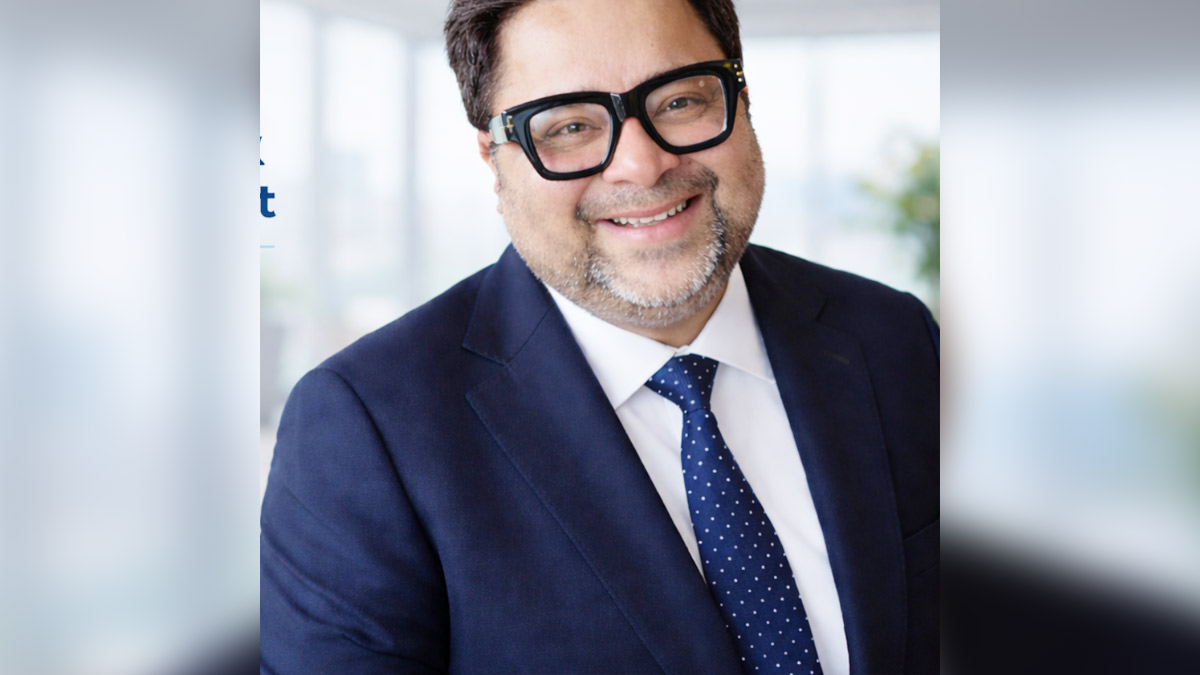
NOIDA: Piyush Thakur has stepped away from Inshorts Group after nearly 10 years with the company, marking the end of a long tenure that culminated in his role as chief revenue officer.
In a farewell note, Thakur said he was “turning a new page” after almost a decade at Inshorts, calling it one of the hardest professional decisions he has made. He added that his exit was not driven by uncertainty about the future, but by reflection on a long association with the company.
Thakur joined Inshorts in October 2016 as vice president and spent around seven years in the role before being elevated to chief revenue officer in April 2024, a position he held until April 2026.
He said his tenure was defined by “thousands of mornings, late nights, product debates and breakthrough moments”, as the company evolved into a large-scale digital news platform used by millions.
In his note, Thakur emphasised that Inshorts’ growth was a collective effort across teams, adding that engineers, designers, sales teams and customer support staff all contributed to building the platform. He said the company’s success was not the result of individuals but of “everyone who stayed, passed through, and left their mark”.
Before Inshorts, Thakur worked across several digital media and business development roles. At ESPN, he served as senior regional manager from October 2015 to October 2016, focusing on growth initiatives, strategic opportunities and video distribution.
At Times Internet, he worked for nearly three years, including as head of business development from April 2015 to September 2015 and chief manager from January 2013 to March 2015. His responsibilities included monetisation of mobile platforms, managing media and developer partnerships, and driving revenue across digital properties such as The Times of India and The Economic Times.
Earlier, he worked at Brandmovers as head of business development from June 2012 to June 2013, handling digital, mobile and social media marketing solutions, client development and strategic consulting. During this period, he also worked on advertising revenue, brand strategy and CRM-based solutions.
At Inshorts, Thakur’s role focused on revenue strategy, mobile and media partnerships, and growth initiatives across platforms. His profile highlights experience in mobile product management, digital business models, partner ecosystems and revenue expansion in high-growth environments.







