I&B Ministry
Smriti Irani favours facilitating constructive communication in digital world

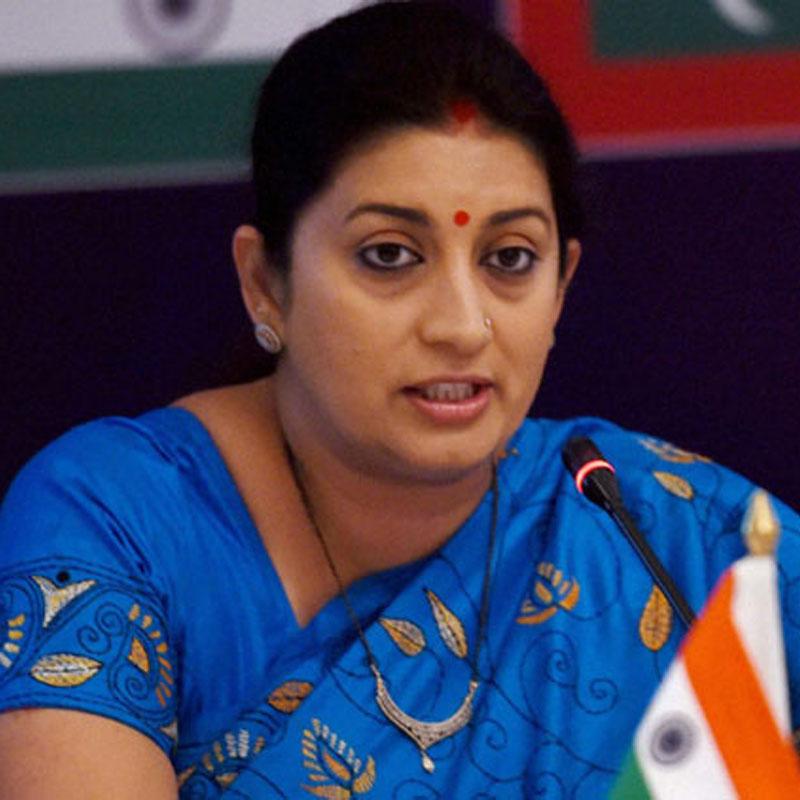
MUMBAI: Union information and broadcasting minister Smriti Irani has said that the role of the central government was to facilitate constructive communication in the digital world. She was speaking at an interactive session organised by the Observer Research Foundation in New Delhi.
“I think the biggest challenge and opportunities in managing (digital content) is (to know and understand) the intent behind that creativity,” she said when asked how she managed, as a minister, the artificial distinction in content or creativity in a digital world where jurisdiction and borders had no place, PTI reported. If the intent of creativity or communication was to “create disharmony,” she said then there would be concerns regarding it.
If the intent was to empower, she said, then it was not the job of the government to intervene.

About a low budget films performing well, she said that a creative person would “never pursue a balance sheet which says only profit” but would pursue telling a great story. She also said that the best way to discourage bad content was to avoid watching such things. In a creative democracy, in a country like India, we could not ask people to stop making a certain type of content.







I&B Ministry
Devinder Kumar appointed Prasar Bharati chief vigilance officer
Senior IOFS officer to serve three-year term with Level-13 pay scale
MUMBAI: The Centre has appointed Devinder Kumar as the chief vigilance officer of Prasar Bharati, formalising a key oversight role within India’s public broadcasting network.
The appointment was cleared through an official order issued by the Department of Personnel and Training under the Ministry of Information and Broadcasting. Kumar, a senior Indian Ordnance Factory Service officer, will initially serve a tenure of three years or until further government orders, whichever comes earlier.
As chief vigilance officer, Kumar will be responsible for overseeing vigilance and compliance functions within Prasar Bharati, ensuring transparency and accountability across the organisation’s operations.
The role carries a Level-13 pay scale under the central government structure, translating to a salary range between Rs 1,23,100 and Rs 2,15,900. The compensation aligns the position with other senior administrative roles across government departments.
Kumar’s appointment follows due process, including a recommendation from the Central Vigilance Commission, which vets candidates for such critical oversight positions.
Currently serving under the Department of Defence Production, Kumar has been directed to be relieved of his existing duties with immediate effect to assume his new role.
The move comes as Prasar Bharati continues to strengthen its governance framework, with the CVO position playing a central role in maintaining institutional integrity. Kumar’s appointment is expected to bolster internal oversight at a time when accountability remains firmly in focus across public sector organisations.







