GECs
SingTel appeal over EPL cross-carriage rejected


MUMBAI: Singaporean IPTV operator mioTV will have to share its English Premier League coverage with rival platform StarHub after losing an appeal seeking an exemption to the country’s cross-carriage rules for pay-TV content.
In April, the Media Development Authority (MDA) ruled that SingTel-owned mioTV’s non-exclusive deal for EPL live matches for three seasons beginning this August triggers the “Cross-Carriage Measure,” which took effect in August 2011.

Under the cross-carriage ruling, pay-TV platforms that acquired any exclusive content on or after 12 March, 2010, must make that programming available through the set-top boxes of other platforms. SingTel subsequently lodged an appeal against the MDA decision with the Minister of Communications and Information.
“The minister’s decision to reject SingNet’s appeal was made based on the assessment of a number of factors,” a statement from the ministry said. “A key consideration was whether certain clauses in the agreement between SingNet and the Football Association Premier League prevent or restrict or are likely to prevent or restrict the EPL content from being acquired or otherwise obtained for transmission on selected network platforms in Singapore by other pay-TV operators.”
“The minister considered the qualitative and quantitative effects of these clauses. The minister also noted that the key objectives of the cross-carriage measure include addressing the high degree of content fragmentation and encouraging pay-TV operators to shift from a content-centric strategy to other forms of competition, such as service and content innovation. Pay-TV operators should keep this in mind and continue to provide better value to the consumers. The minister has also suggested that MDA consider providing further guidance on the circumstances that may trigger the cross-carriage measure so that pay-TV operators can provide more certainty to consumers.”
Customers on both platforms will be able to purchase an EPL stand-alone subscription, granting access to some nine channels, for S$59.90 ($47) a month.







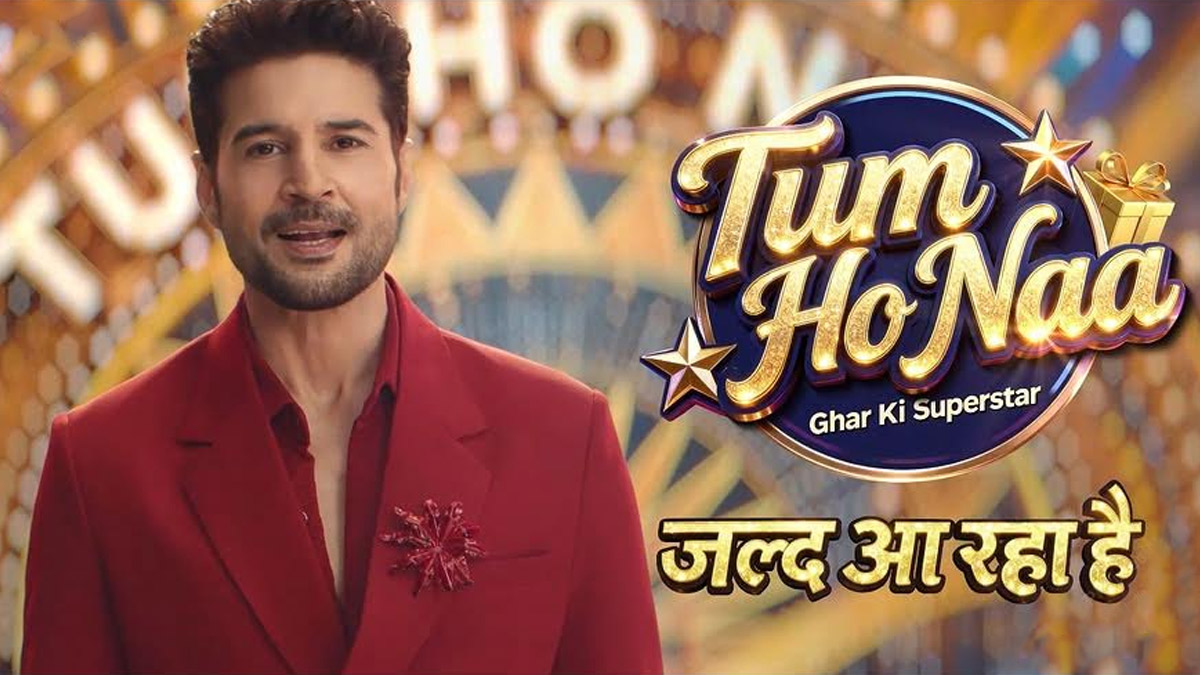
MUMBAI: Lights, camera… connection because this time, the game isn’t just about winning, it’s about who’s with you. Sony Pictures Networks India is gearing up to launch a new reality game show, Tum Ho Naa, expanding its unscripted slate with a format that promises both emotion and engagement.
The show will premiere soon on Sony Entertainment Television and stream on Sony LIV, with Rajeev Khandelwal stepping in as host. Known for his measured screen presence and selective choices, Khandelwal’s return to television adds a layer of familiarity and credibility to the upcoming format.
While specific details of the gameplay remain under wraps, the positioning suggests a reality format that leans as much on emotional resonance as it does on competition, an increasingly popular blend in Indian television, where audiences are gravitating towards content that offers both stakes and storytelling.
Khandelwal, reflecting on his return, noted that his choices have often been guided by instinct rather than convention, describing Tum Ho Naa as a project that feels “close to the heart”. His association also signals Sony’s continued focus on anchoring new formats with recognisable faces who bring both relatability and depth.
The launch comes at a time when broadcasters are doubling down on original non-fiction formats to drive appointment viewing, even as digital platforms expand parallel reach. By placing the show across both linear television and OTT, Sony appears to be aiming for a dual-audience strategy capturing traditional viewers while engaging digital-first consumers.
As the countdown to premiere begins, Tum Ho Naa positions itself not just as another game show, but as a reminder that sometimes, the biggest prize on screen isn’t the jackpot, it’s the journey shared along the way.







