iWorld
Short and sweet, One Take Media launches Vertigo TV for micro-dramas

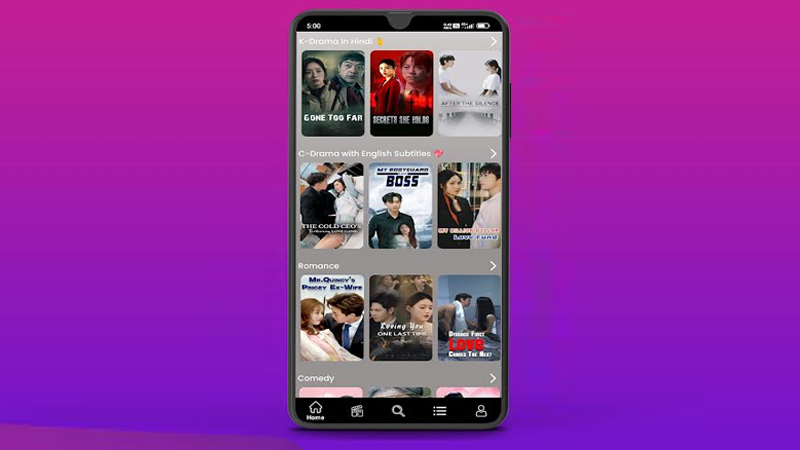
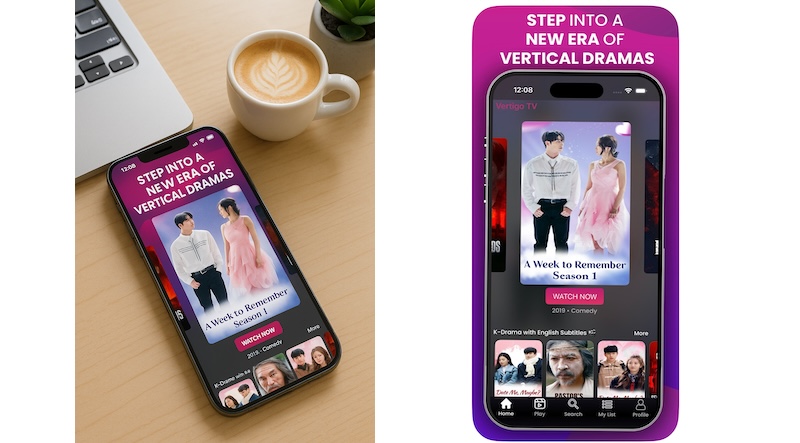
MUMBAI: Two minutes to drama, sixty to closure storytelling just got a major speed boost. Mumbai-based One Take Media has taken a bold leap into India’s streaming wars with the launch of Vertigo TV App, a first-of-its-kind platform dedicated to vertical, short-form dramas. The app introduces Indian audiences to a global bingeing trend micro-dramas that wrap up entire story arcs in 40 to 60 episodes, with each instalment lasting barely two minutes.
In an era where Gen Z and millennials live by the swipe, Vertigo TV is built for the thumb and not the remote. It’s mobile-first, snackable, and designed for those who want their narratives as fast-paced as their feeds.
“Vertigo TV App isn’t just a platform; it’s a movement redefining storytelling,” said One Take Media Founder & CEO Anil Khera. “Today’s viewers want rich narratives—and they want them fast. We’re bringing gripping Korean, Chinese and international micro-dramas to India in a way that feels fresh, addictive and mobile-native.”

Micro-dramas, sometimes called mini-dramas or vertical dramas have exploded in Asia. By 2024, short-form videos made up over 60 per cent of all video consumption among 18–34-year-olds in Asia-Pacific, according to industry reports. In China alone, the micro-drama market was worth 5.3 billion dollars in 2023, growing at an impressive 18 per cent CAGR.
Vertigo TV aims to replicate that boom in India with its SVOD model priced at Rs 499 per year, available on both Android and iOS.
Why it clicks
● Hook in 10 seconds: Every drama is crafted to capture attention instantly.
● Mobile-optimised vertical format: Designed for on-the-go, one-hand viewing.
● Global stories, local touch: Content spans Korean, Chinese, Japanese, Spanish, Hindi, and English originals, complete with subtitles.
● Binge without guilt: An entire show can be polished off during a commute, lunch break, or workout.
● High replay value: Short arcs make rewatching and sharing irresistible.
India’s OTT space has long been dominated by long-format web series and films. Vertigo TV flips the script by going short, vertical and international. With storytelling now tailored to India’s growing smartphone-first population, it offers a fresh alternative to the clutter of big-screen bingeing.
For viewers tired of endless episodes, cliffhangers that drag for months, or padded narratives, Vertigo TV offers a micro-dose of high-stakes drama with cinematic quality. It may well spark India’s own micro-drama revolution.
As Khera summed it up: “This is entertainment reimagined for the attention economy quick, powerful, and always within reach.



iWorld
Cineflicks set to enter India’s OTT market with community-first focus
New platform aims to blend streaming content with interactive viewing experiences
MUMBAI: A new player is gearing up to join India’s crowded streaming arena, with Cineflicks preparing to launch as a community-driven OTT platform aimed at redefining how audiences engage with digital entertainment.
The platform plans to offer a mix of movies, series and digital content, while placing equal emphasis on building an interactive ecosystem where viewers can connect, share and participate beyond passive viewing.
India’s OTT market has seen explosive growth over the past decade, fuelled by rising smartphone penetration and affordable internet access. As streaming becomes the default mode of content consumption, new entrants are increasingly looking to differentiate themselves not just through content libraries but through user experience.
Cineflicks appears to be positioning itself within this next phase of evolution. Instead of focusing solely on scale, the platform is aiming to create a space where audiences can engage more deeply with the content they watch, turning entertainment into a shared experience rather than a solo activity.
While details around its content slate remain under wraps, people familiar with the development say the platform is currently building out features and partnerships ahead of a phased rollout. The broader strategy suggests a blend of content discovery, community interaction and digital participation.
The timing is notable. With global and regional streaming platforms competing intensely for attention, the emphasis is slowly shifting towards engagement and retention rather than just acquisition. Platforms that can foster stronger audience connections may have an edge in this evolving landscape.
Cineflicks’ entry reflects the continued expansion of India’s digital entertainment ecosystem, where innovation is increasingly being driven by how content is experienced, not just what is offered.
As the platform moves closer to launch, the real test will be whether it can translate its community-first pitch into a compelling, everyday habit for viewers.







