News Broadcasting
Sena supremo Thackeray condemns CAS


MUMBAI: Shiv Sena supremo and an important ally of the NDA government, Bal Thackeray, has warned the government that it will find its decision to go ahead with conditional access system an “expensive one”.
THE TIGER GROWLS: Shiv Sena supremo Balasaheb Thackeray slams CAS.
At a press conference at his Mumbai residence a short while ago, Thackeray issued a veiled threat to the government saying his party will take steps to oppose it outright. “I will not highlight what steps we will take in opposition, but go against it we will.”
He added, “The BJP (Bharatiya Janata Party) has not managed to put the Ram Mandir that it committed it would, it has rather set up a Daam (High cost for consumer) Mandir.”

He pointed out that “CAS is totally anti-consumer. Consumers will have to buy a set top box for each of the TVs in their rooms. That is Rs 6,000 for each TV set. The middle class will not be able to bear this burden.”
He basically labeled the move towards CAS as Gapla (translated: racketeering). Thackeray directly accused the government of colluding with an unnamed business magnate based in London, who would benefit in a big way from the implementation of CAS through the offload of set top boxes.
The announcement should come as a blow to the ruling NDA government. I&B minister Ravi Shankar Prasad has voiced that viewers will be able to get all the pay channels at Rs 200, and that the government had the consumer at the centre of the CAS decision. Already factions within the BJP which leads the NDA government have growled that CAS in its current form was not welcome. Recently Delhi chief minister Sheila Dixit (who belongs to the Congress) had come out against CAS as being anti-consumer. However, that was before the government slashed duties on the import of STBs from 55 per cent to 5 per cent.





News Broadcasting
CNN-News18 to host Fury in the Gulf conclave on West Asia crisis
Three-hour summit to unpack geopolitical fallout and impact on India
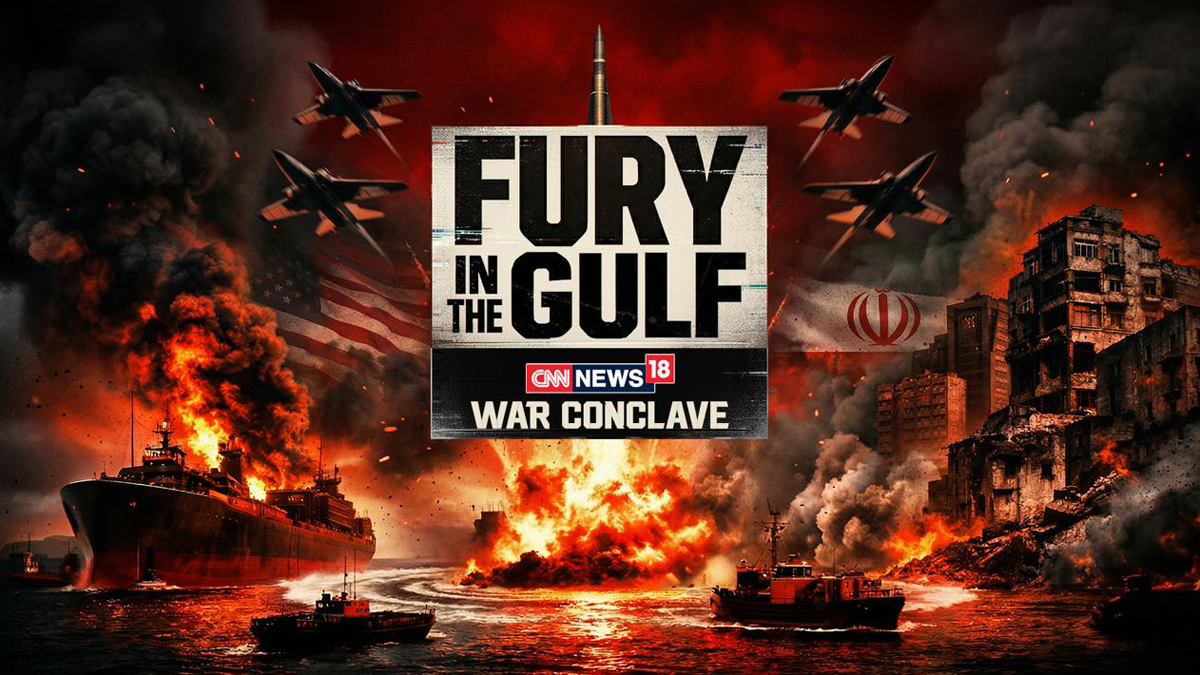
MUMBAI: CNN-News18 is set to host a special three-hour broadcast, Fury in the Gulf – War Conclave, on April 7, aiming to decode the escalating West Asia crisis and its far-reaching implications for India.
Scheduled from 4:00 PM to 7:00 PM, the conclave comes at a time when tensions between Iran and the United States are reshaping global geopolitics and triggering economic uncertainty. With India’s deep energy ties, trade links and large diaspora in the Gulf, the developments carry significant domestic relevance.
Built around the theme ‘Conflict, Consequences, and The Future,’ the programme will feature six curated sessions combining one-on-one interviews and panel discussions. The focus is to cut through the clutter and offer viewers a clearer understanding of the fast-evolving situation.
Key sessions include ‘Diplomacy in Times of War’ featuring Shashi Tharoor, and ‘World After the Iran Conflict’ with voices such as Ram Madhav, Reuven Azar, representatives from the European Union and the Iranian Deputy Envoy. Another session titled ‘Another Dunkirk?’ will bring together K. J. S. Dhillon and Jitin Prasada among others.
CNN-News18 editorial affairs director Rahul Shivshankar said, “In times of war, clarity becomes the most powerful tool. Fury in the Gulf – War Conclave brings together credible voices to address the questions and confusion that arise amid an overwhelming influx of information.”
He added that the initiative is aimed at delivering “facts, perspective, and insight” at a time when misinformation can easily cloud public understanding.
Echoing the sentiment, CNN-News18 CEO– English and business news Smriti Mehra said the conflict marks a defining global moment, with consequences that extend well beyond the region. She noted that the conclave seeks to present the crisis with “depth, nuance and responsibility” so audiences can better grasp its real-world impact.
As geopolitical tensions continue to dominate headlines, the conclave positions itself as an attempt to bring order to the noise, offering viewers a structured, insight-led look at a complex and rapidly shifting global situation.






