Content Hub
“Seasonal shows can break the monotony”: Sumeet H Mittal

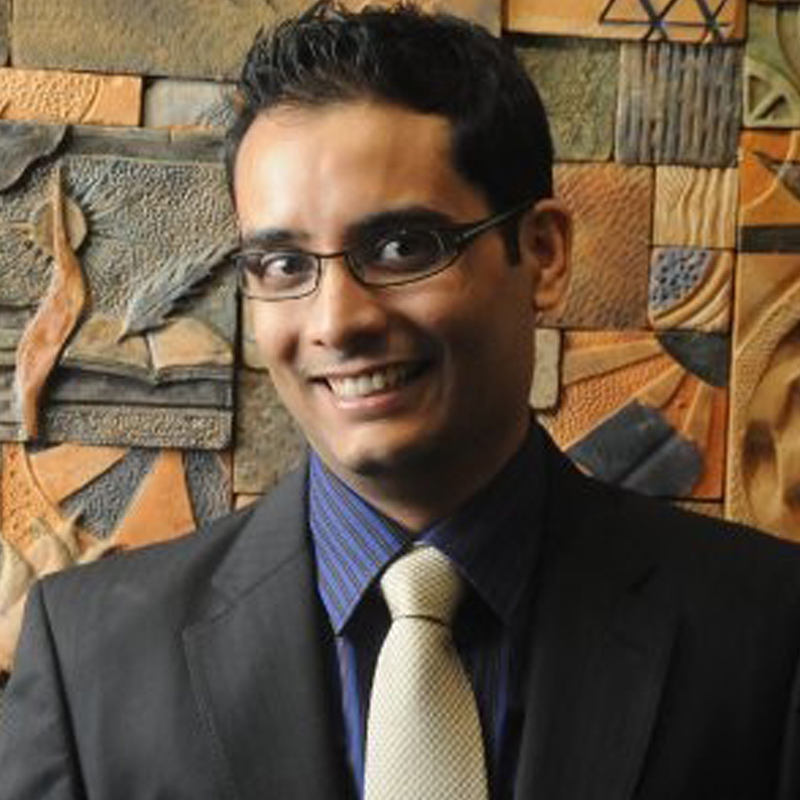
MUMBAI: The television industry has grown by leaps and bounds, believes the co-founder and director of Shashi-Sumeet Mittal Productions, Sumeet H Mittal.
As part of Content Hub, indiantelevision.com spoke to Mittal who, along with his wife Shashi Mittal, has produced many successful shows like Sajan Ghar Jaana Hai, Diya Aur Baati Hum and Punar Vivah amongst others, to find out his perspectives on the changed television content.
“Up and until five years ago, our industry was at a nascent stage when compared to the television industry of other countries. However, things have changed. A lot of that has to do with the global exposure we receive in India today, which drives evolution of mindsets and hence, the demand for progress in concepts and ideas as well,” he says.

Mittal highlights that today, the audience no longer accepts a basic plot as they want to be stimulated with depth and complexity. He feels that a script writer needs to be able to create that while keeping the interest of the audience.
According to him, the content shown on television also needs to be in line with the viewer preferences and demands. “There is a need today for differentiated content and everyone is working towards providing just that. Our shows like Diya Aur Bati Hum and Punar Vivah are strong examples of shows that are different from the usual,” he says.
Mittal feels that seasonal shows can break the monotony. He adds, “We did two seasons of our cult hit – Punar Vivah, and both were received very well by the audiences. I strongly believe a story should only be told till it holds merit and not be stretched just for the sake of it. That is cheating your audiences.” He also stresses that unless a broadcaster and producer work hand-in-hand, a show will not be successful.
When asked if Indian content has the potential of going international, Mittal says, “Some of the more popular television serials are already being sub-titled in different languages such as French, German and even English and are being broadcast around the world.”
He states that today there are a lot more schools and institutions teaching the budding writers to develop the skill to create great original scripts. “Hear them out with an open mind. You never know who has a super idea with a potential to be turned into a great script,” he signs off.


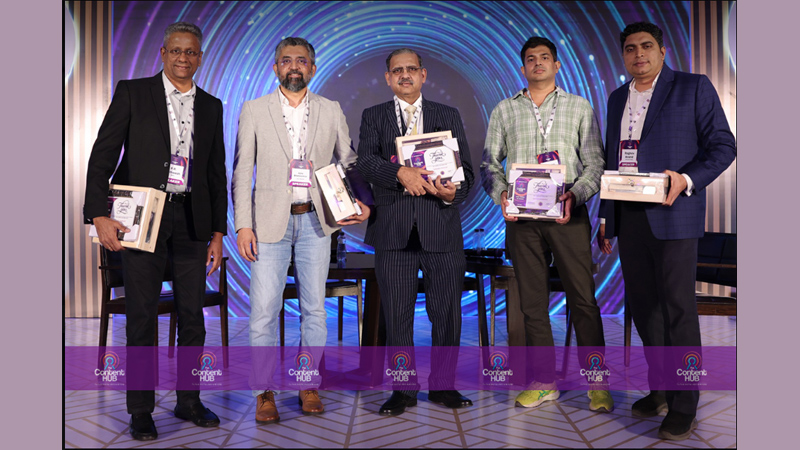
Mumbai: Exploring the shift from regional to national content, this synopsis delves into the trends and challenges. It navigates the transformation, analyzing industry dynamics, emerging trends, and the hurdles faced. From preserving regional variation to adapting to a broader audience, it examines the multifaceted journey of regional content evolving into a national narrative. In what ways do the emerging trends and challenges influence the dynamics of the entertainment industry during this transition? How can creators navigate these changes effectively? What strategic approaches can content creators adopt to strike a balance between maintaining regional identity and fostering a cohesive national narrative in their work? How can the transition from ‘regional’ to ‘national content’ impact cultural diversity within the entertainment industry, and what measures can be taken to ensure the preservation of regional variation?
In a rapidly evolving media landscape, seasoned industry professionals have offered valuable insights into the transformation of content consumption and production. The session was chaired by Ernst and Young partner Raghav Anand, MMTV chief executive officer P.R. Satheesh, Sony Marathi business head Ajay Bhalwankar, PTC Network chairman & MD Rabindra Narayan, Shemaroo Entertainment COO, Digital, Saurabh Srivastava esteemed voices in the field, have articulated their perspectives on the burgeoning shift towards globalised content.
Rabindra Narayan emphasised the dissolution of regional boundaries in content consumption, attributing it to the accessibility facilitated by global platforms and connectivity options. He predicts a future where language barriers will fade, citing the potential of technology to clone and adapt voices, thus enabling seamless localization across languages.
Saurabh highlighted the democratisation of content creation in the digital era, underscoring its empowerment and revenue potential, particularly in linguistically diverse markets like India. He emphasizes the value of culturally rooted storytelling in filling gaps in content supply, with technology enabling effective monetization, especially through OTT platforms.
Ajay Bhalwan sheds light on the evolving landscape of Hindi and regional language content, noting a significant shift where a substantial portion of content on Hindi film channels originates from regional languages. He accentuates the importance of language in enhancing authenticity and audience engagement, exemplified by the strong resonance of Marathi content in Maharashtra.
PR Satheesh underscored the paramount importance of content quality in driving viewership and transcending language barriers. Drawing parallels with the global popularity of Korean dramas, he advocates for leveraging technology, including AI and real-time translations, to enhance content creation and distribution.
These insightful perspectives collectively echoed the industry’s adaptation to a globalised content landscape, where technology catalyzes innovation and accessibility. As content continues to evolve, these experts offered valuable guidance on navigating the dynamic media landscape and maximizing the impact of storytelling in diverse markets worldwide.







