High Court
Sanjay Dutt to spend 42 months in jail in Mumbai blasts case, SC commutes sentence

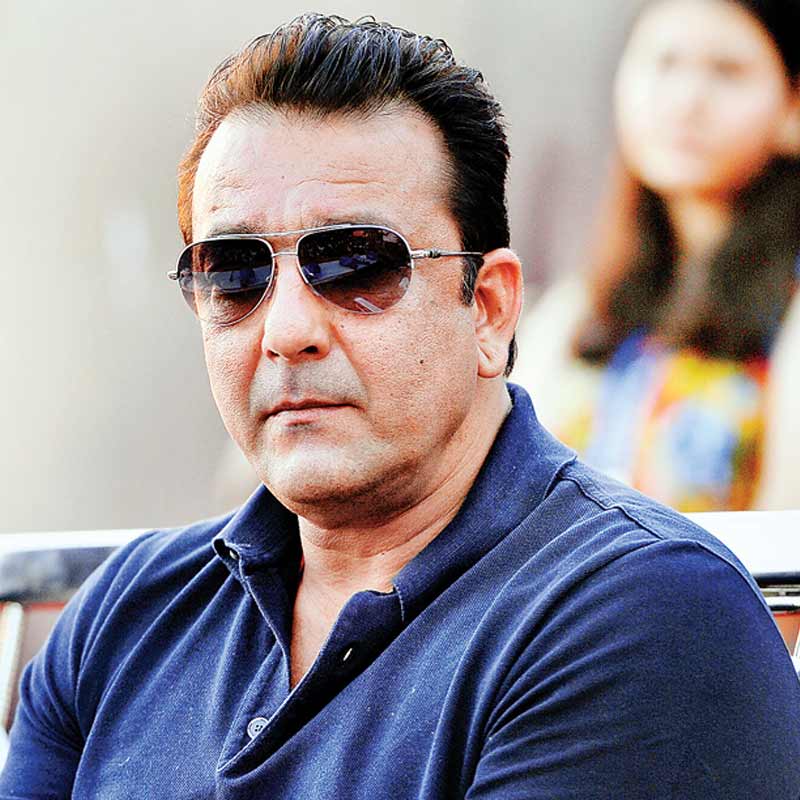
New Delhi: The Supreme Court today gave some relief to actor Sanjay Dutt in the Mumbai blasts case as it commuted his jail sentence from six years to five years but would in effect be in jail for three and a half years.
The actor was given a six-year jail term by the TADA court. The court took cognizance of the fact that the actor had already spent 18 months behind the bars during the trial.
At the same time, the apex court rejected his probation plea and directed him to surrender within four weeks.

Referring to Dutta, the court said: ‘the circumstances and nature of offence was so serious that he cannot be released on probation. “… (the) evidence and materials perused by the TADA court in arriving at the decision against Dutt was correct.”
The actor had been convicted for illegal possession of a 9mm pistol and an AK-56 rifle, but was acquitted of more serious charges of criminal conspiracy.
The Court also pronounced judgment in the case of others convicted for the blasts.
After 10-month hearing that started on 1 November 2011, the Court had in August 2012 reserved its verdict in the case.
On 12 March 1993, Mumbai was rocked by a series of blasts that killed 257 people and left 713 injured.







High Court
Bombay High Court questions AI celebrity deepfakes in Shilpa Shetty case
Justice questions legality of unconsented AI personas, platforms directed to respond.

MUMBAI: The Bombay High Court just put AI on the witness stand because when a chatbot starts chatting as Shilpa Shetty without asking, even the bench wants to know who gave permission. The Bombay High Court on Wednesday expressed serious concerns over the legality of artificial intelligence tools that simulate celebrity personalities without consent, during a personality rights suit filed by actor Shilpa Shetty.
Justice Sharmila Deshmukh, hearing the matter, questioned platforms that allow users to interact with AI-generated versions of actors without authorisation. The court noted that one accused AI chatbot website continued using Shetty’s personality without permission, prompting the judge to ask about the legal basis for such operations.
When the lawyer for the AI company argued that the system relied on algorithms and did not require celebrity consent, Justice Deshmukh challenged the platform’s right to recreate and make public a person’s identity in this manner. She observed that while users uploading photographs raised one set of issues, AI systems generating content based on recognised personalities posed distinct legal and ethical questions especially when the platform itself acknowledged the content was not real.
The court directed the platform to file a detailed response explaining its position.
The case involves Shetty seeking restrictions on more than 30 platforms including e-commerce websites and AI services accused of hosting or enabling misuse of her image and circulation of deepfake content.
The Bench also raised concerns about Youtube commentary videos discussing the ongoing proceedings involving Shetty and her husband, questioning whether unverified discussions could malign parties without journalistic checks.
Counsel for Google, Tenor and the AI entity informed the court that flagged infringing URLs had been removed. Shetty’s team disputed this, leading the court to allow her to file an application alleging non-compliance if links remained active.
Tenor objected to the broad injunction sought, arguing it functions as an intermediary GIF platform without capacity for proactive monitoring. The court directed Tenor to file an affidavit opposing the order.
E-commerce platforms including Amazon stated they had removed unauthorised listings using Shetty’s name and image, and would continue to act on specific notifications.
The court reiterated that directions for intermediaries would operate on a “take-down on notice” basis, requiring removal of infringing content once flagged.
As deepfakes blur the line between real and rendered, the Bombay High Court isn’t just hearing a case, it’s asking the bigger question: in the age of AI avatars, who really owns your face?







