News Broadcasting
Rolando Santos is CNN Intl senior VP, international relations

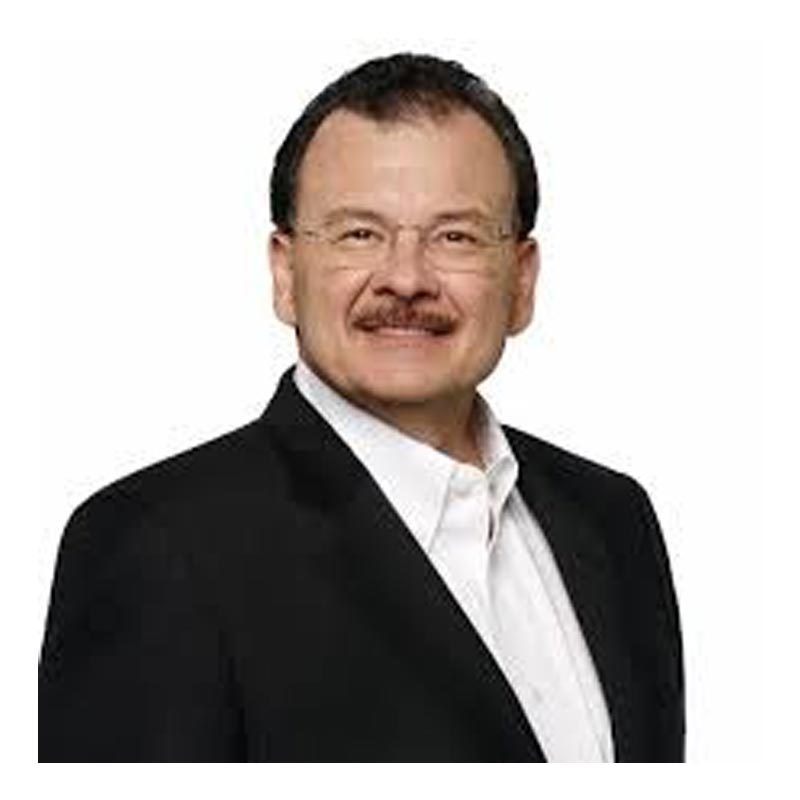
MUMBAI: Rolando Santos is joining CNN International as senior VP, international relations. The announcement was made by CNN international MD Chris Cramer. In this role, Santos will play an integral part in the development of future CNN services around the world while working closely with CNN’s International affiliates and joint venture partnerships.
Santos, currently executive vice president and general manager of Headline News, takes up his new role with CNN in mid-September. Cramer says, “Rolando has unrivaled experience in the creation of numerous CNN services, including CNN en Español in 1997, CNN + in Spain and CNN Turk in 1999,” Cramer said. “As we continue to build upon CNN’s international heritage and global influence, he is the perfect choice to work alongside our worldwide partners, affiliates and colleagues.”
As a member of CNN International’s senior management group, Santos will work closely with Turner Broadcasting’s global business development teams identifying potential new platforms and editorial partnerships. He will also assume editorial liaison with some of CNN’s sister channels, CNN-IBN in India and CNN Turk in Turkey and will oversee CNN’s International Professional Program, which brings together journalists from around the world for hands-on editorial training in Atlanta

He says, “I have enjoyed working in the international arena and helping launch so many successful CNN services around the world and, more recently, building Headline News into the dynamic news channel that it has become. This is the perfect opportunity to return and help shape CNN’s international growth and future.”
Since 2002 Santos has served as executive VP and GM of Headline News, responsible for its development and overall operations. Prior to that he was president of CNN en Español, CNN’s 24-hour Spanish-language news network, where he oversaw all daily operations and editorial content of CNN en Español and CNN en Español Radio. He was also played a significant role in the development and launch of new international news networks such as CNN+ and CNN Turk.
Additionally, he oversaw the Spanish-language newsgathering operations, including a fully bilingual staff in Atlanta, a worldwide network of Spanish-speaking correspondents and eight full-service bureaus in Los Angeles, Miami, New York, Washington, D.C., Buenos Aires, Jerusalem, London and Mexico City.






News Broadcasting
News18 India launches Command Centre war explainer with Arya
New show shifts from debates to decoding global conflicts and impacts
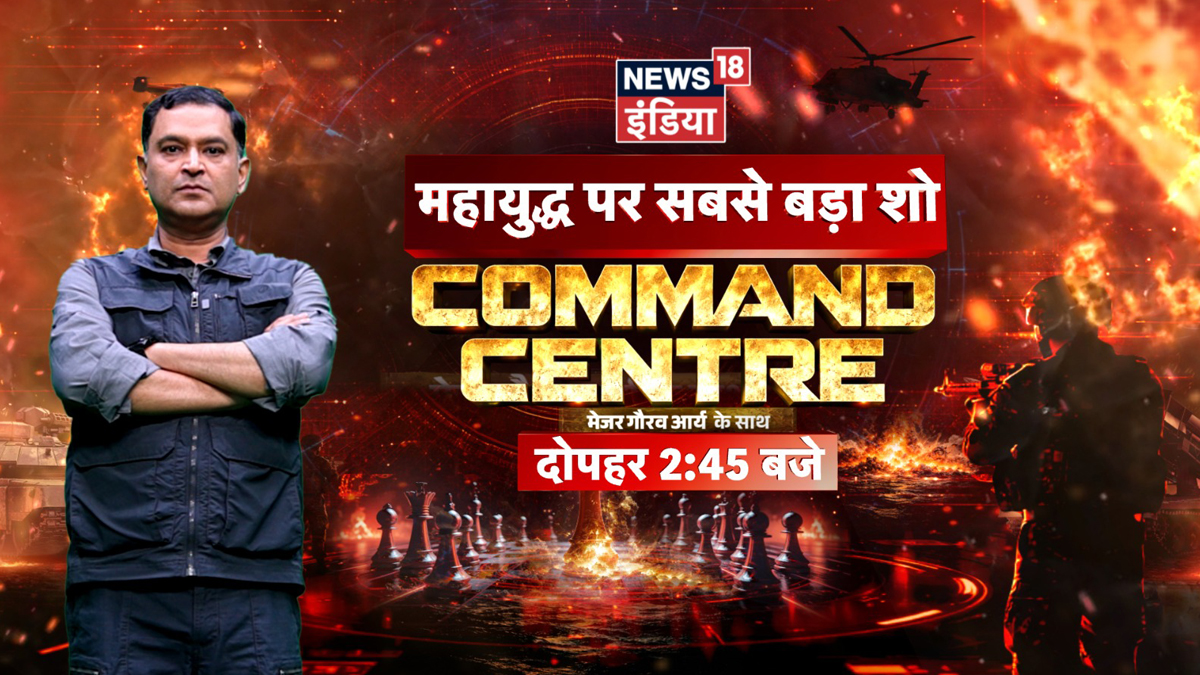
MUMBAI: News18 India has rolled out a new war-focused programme, Command Centre, featuring Gaurav Arya, as it looks to offer viewers a sharper, more grounded take on global conflicts amid rising tensions in West Asia.
Positioned as an “insider war room”, the show moves away from conventional panel debates and instead focuses on explaining military developments, decoding strategy and connecting global events to their everyday impact, from fuel prices to economic shifts.
The format leans heavily on visuals and data. The studio has been designed like a command hub, complete with large LED war maps, real-time graphics and an alert system to track developments as they unfold.
At the centre of it all is Arya, who brings his military background to simplify complex war strategies for viewers. His signature line, “Seedhi baat samjhiye”, anchors the show’s promise of clarity over noise.
News18 India managing editor Jyoti Kamal said, “Command Centre, featuring Major Gaurav Arya is designed to deliver accurate insights and a clear perspective on how evolving conflicts impact everyday life, from household budgets to national security. With expert voices analysing every development in real time, the show goes beyond headlines to decode what’s happening now, what it means, and what could come next.”
Echoing the intent, Gaurav Arya added, “In times of war, confusion is the biggest threat. With News18 India’s Command Centre, we are bringing viewers inside the war room, decoding strategies, tracking every escalation, and explaining, in the simplest terms, what it means for India and for every household. Seedhi baat samjhiye, this is where you understand not just what is happening, but what happens next.”
The weekday show will air in the afternoon slot and will also feature Gaurav Shukla, adding to its editorial depth.
With its mix of analysis, visuals and a clear focus on impact, the show reflects a broader shift in news consumption. Viewers are no longer just watching events unfold, they are looking to understand what those events mean for them.







