iWorld
Rizzle sounds women empowerment bugle with new partnerships


New Delhi: Short video platform Rizzle has entered into a partnership with Business Charcha and Himachal Women’s League as part of its ongoing efforts to recognise and empower women across various walks of life.
The platform, co-founded by Vidya Narayanan, said that it will be Business Charcha’s media and digital partner. Through this association, the app is looking to empower creators and entrepreneurs by giving them state-of-the-art storytelling tools as well as an extremely positive audience community.
Business Charcha founder and CEO Sheetal Bhandari said, “We are extremely happy to announce Rizzle as our media and digital partner. We are excited to collaborate with India's leading short videos platform and empower aspiring entrepreneurs across the country to help realize their ambitions.”

Rizzle had recently partnered with Himachal Women’s League as it's digital partner. The platform prides itself on encouraging women to step up their game by being vocal and helping them in building their identity.
A spokesperson from the Himachal Pradesh Football Association said, “HWL is thrilled to announce Rizzle as our official digital partner. We are proud to associate with a platform that empowers women across the globe. We look forward to promoting female sportsmanship through Rizzle.”
The association between Rizzle and Business Charcha as well as Himachal Women’s League comes amidst International Women’s Day celebrations.
“Rizzle has always been proud about being a platform that empowers and enables women to have a voice. We’re hoping for powerful synergies to result from our partnerships with Business Charcha and Himachal Women’s League," said Rizzle CEO and co-founder Vidya Narayanan.
The short video apps' prime focus is currently on its signature vertical mini-series. It is also branding itself as one of the safest online platforms for women creators due to its no comments and video response features, thus eliminating malicious trolling that is prominent on so many social platforms. The app is also hosting a month-long contest #ShadesofWomen to celebrate womanhood.



iWorld
OpenAI hits back at Elon Musk’s lawsuit ahead of trial
Company calls claims “baseless” and accuses Musk of trying to disrupt a rival.
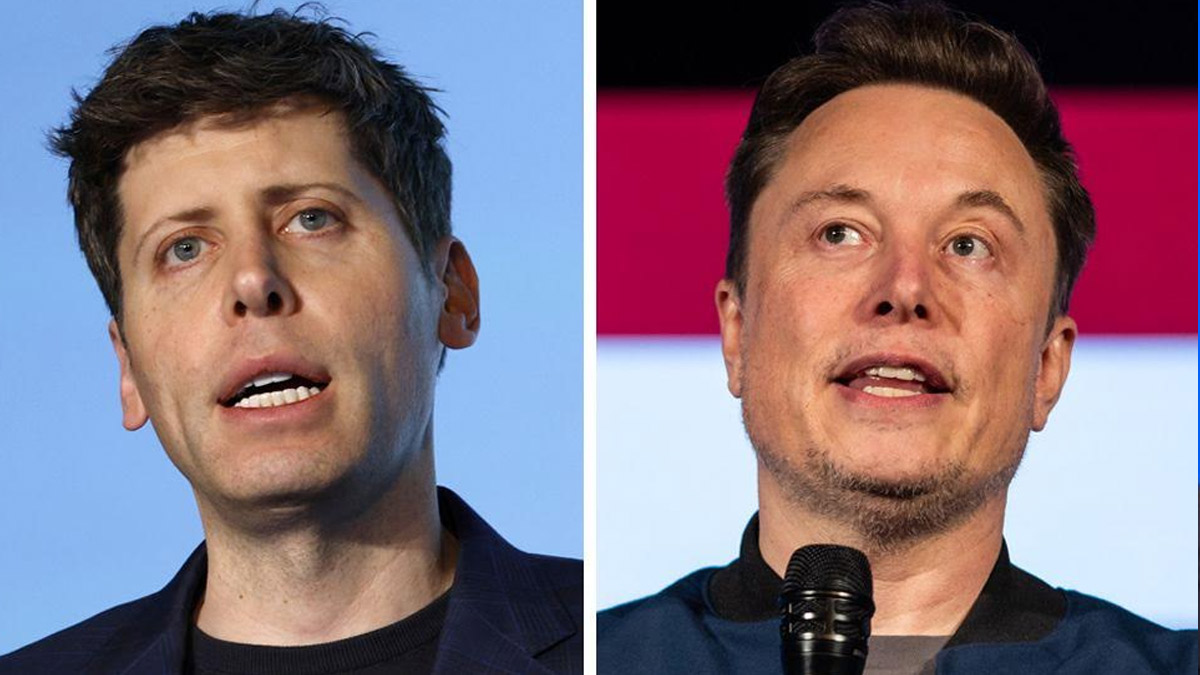
MUMBAI: When the stakes are measured in billions and egos are involved, even Silicon Valley titans can turn a courtroom into a battlefield. OpenAI has issued a sharp public response to Elon Musk’s ongoing lawsuit, accusing the billionaire of filing the case to harass a competitor rather than address genuine concerns. In a strongly worded statement shared on its official X account, OpenAI described Musk’s allegations as “baseless” and suggested the lawsuit is an attempt to disrupt the company as the case heads toward trial later this month in Oakland, California.
The response comes after Musk’s legal team recently amended the complaint, proposing that any damages potentially exceeding $150 billion should go to OpenAI’s nonprofit entity rather than to Musk personally. OpenAI questioned the timing and motive behind this change, calling it a late-stage attempt to “pretend to change his tune” on the nonprofit structure.
The company further labelled the lawsuit a “harassment campaign”, arguing that Musk’s actions are driven by personal rivalry, ego, and a desire for greater control and financial upside.
At the heart of the dispute is Musk’s claim that OpenAI has abandoned its original nonprofit mission of developing artificial intelligence for the benefit of humanity. A co-founder who left in 2018, Musk is seeking governance changes, including the removal of CEO Sam Altman from the nonprofit board, and the return of certain financial gains linked to Altman and President Greg Brockman.
OpenAI has firmly rejected these allegations, maintaining that its current hybrid structure, a public-benefit corporation overseen by a nonprofit parent remains true to its long-term goals. The company has also previously accused Musk of anti-competitive behaviour aimed at weakening its leadership.
As the case prepares for a jury trial, this public exchange highlights the deepening rift between two of the most influential figures in the AI revolution and raises broader questions about governance, mission, and power in the fast-moving world of artificial intelligence.
In the high-stakes game of AI, it seems the real drama isn’t just inside the models, it’s playing out in courtrooms too.






