Legal and Policies
RBI breaks its long freeze on repo rate, drops it to 5.25 per cent

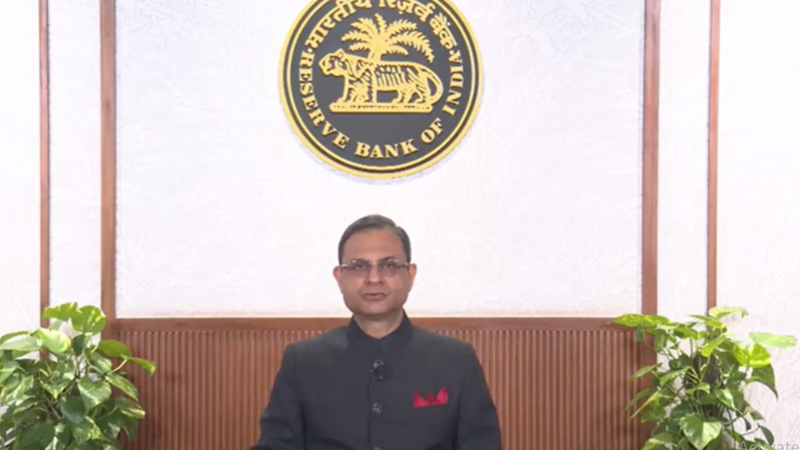
MUMBAI: The Reserve Bank of India has cut its repo rate by 25 basis points to 5.25 per cent, with governor Sanjay Malhotra signalling a clear tilt towards growth as the central bank downplayed concerns over the rupee’s recent slide.
The rate move, decided unanimously after a three-day meeting of the monetary policy committee (MPC), follows June’s reduction from 6 per cent to 5.5 per cent. The RBI expects banks to pass on the cheaper money, easing housing and vehicle loan costs for borrowers.
Inflation remains subdued. The bank has pared its retail-inflation forecast for FY2025-26 to 2 per cent, citing softer underlying pressures. For the first quarter of FY2026-27, Consumer Price Index (CPI) is projected at 3.9 per cent, down from an earlier 4.5 per cent, though rising precious-metal prices could nudge the headline figure higher.

Growth, meanwhile, is accelerating. The RBI now pegs GDP expansion for the current financial year at 7.3 per cent, up from 6.8 per cent, after the economy logged an 8.2 per cent leap last quarter: the fastest in six quarters. The forecast for the October–December period has also been revised upwards to 6.7 per cent.
Alongside the repo cut, the MPC lowered the standing deposit facility rate to 5 per cent and the marginal standing facility to 5.5 per cent. The RBI will also conduct forex swaps and buy Rs 1 lakh crore of bonds via open-market operations to smooth liquidity and aid transmission.
Malhotra said 2025 had delivered “robust growth and benign inflation” despite geopolitical and trade headwinds. With a neutral stance, the RBI enters 2026, he said, with “hope, vigour and determination”, buoyed by firm bank balance-sheets and steady retail credit growth.







Legal and Policies
‘The India deal is on…’: India tariffs cut to 10% from 18% after Trump’s SC defeat
In response, Trump rolls out blanket 10 per cent tariff, “effective almost immediately”
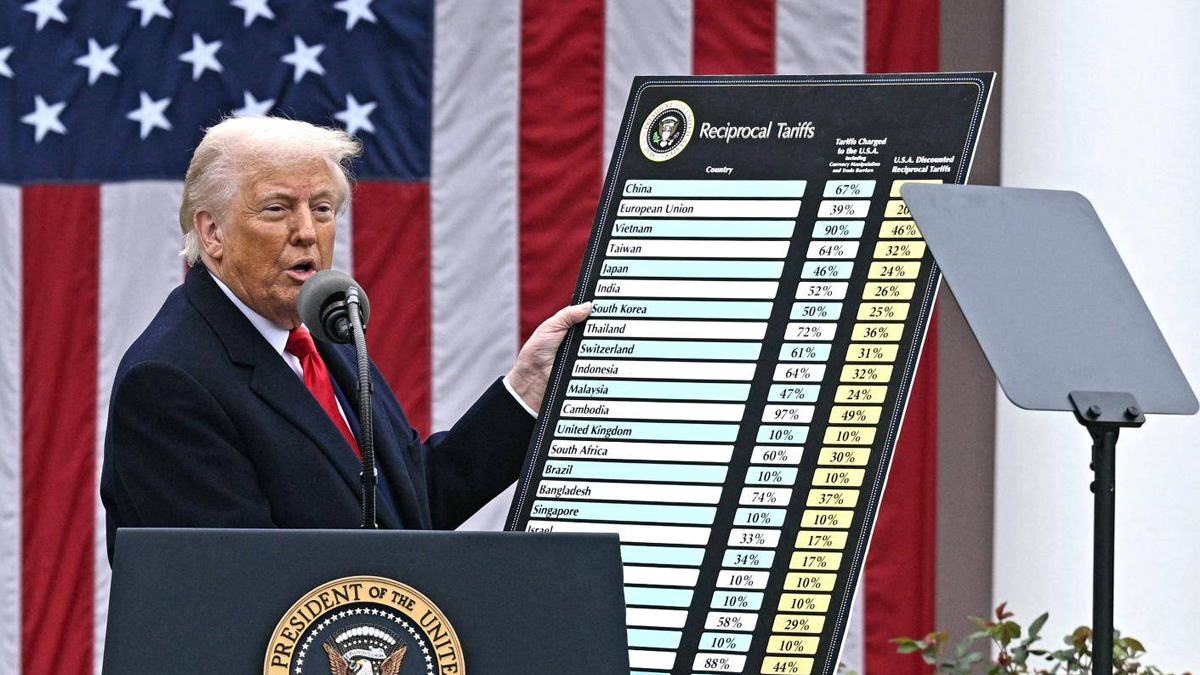
WASHINGTON: The White House said on Friday that US trading partners, including India, will face a flat 10 per cent tariff after the Supreme Court struck down President Donald Trump’s use of emergency powers to impose sweeping import duties. Countries that reached tariff agreements with Washington, both before and after Trump’s original orders, will now be subject to the same 10 per cent levy, even if higher rates had previously been agreed.
The ruling invalidated Trump’s reliance on a 1977 law to levy sudden, country-specific tariffs, dealing a sharp blow to one of his signature economic policies. Within hours, the administration responded by certifying a new, across-the-board 10 per cent duty on imports into the United States.
In response, Trump announced an additional blanket 10 per cent tariff on all imports into the United States, signing a new order and saying on social media that it was “effective almost immediately”, after a year in which his administration had imposed varying duties to reward allies and punish rivals.
According to a White House factsheet, the new levy will take effect on 24 February and remain in force for 150 days. Exemptions will continue for sectors under separate investigations, including pharmaceuticals, and for goods entering the US under the US-Mexico-Canada Agreement.
A White House official told AFP that the administration would seek ways to “implement more appropriate or pre-negotiated tariff rates” at a later stage, signalling that country-specific arrangements could return through alternative legal routes.
The move directly affects India, which earlier this month announced a framework for an interim trade agreement with the United States. That arrangement followed Trump’s decision to lift 25 per cent punitive tariffs linked to India’s purchases of Russian oil and cut reciprocal duties from 25 per cent to 18 per cent. Under the new regime, Indian exports to the US will instead face the flat 10 per cent rate.
Trump insisted the Supreme Court verdict would not disrupt the India-US trade deal. “Nothing changes,” he said, adding that India would continue to pay tariffs while the United States would not.
“They’ll be paying tariffs, and we will not be paying tariffs. So the deal with India is they pay tariffs… It’s a fair deal now,” Trump said, describing the shift as a “flip” from past arrangements. “The India deal is on… all the deals are on—we’re just going to do it in a different way.”
Earlier on Friday, the Supreme Court ruled six to three that the International Emergency Economic Powers Act does not authorise a president to impose tariffs. Chief justice John Roberts said the law contained “no reference to tariffs or duties” and did not grant such “extraordinary power”.
Trump reacted angrily, accusing the court, without evidence, of foreign influence and claiming the ruling left him “more powerful”. Treasury secretary Scott Bessent later said the administration’s alternative approach would leave tariff revenues “virtually unchanged” in 2026.
The decision does not affect sector-specific duties on steel, aluminium and other goods, nor ongoing investigations that could lead to further levies. Still, it marks Trump’s most significant Supreme Court defeat since returning to the White House.
Markets reacted calmly, with Wall Street shares edging higher. Business groups welcomed the ruling, while uncertainty remains over whether companies will receive refunds for tariffs already paid. Analysts estimate potential refunds could reach $175 billion, though legal clarity is lacking.