Gaming
Rajya Sabha clears sweeping ban on online money gaming despite opposition uproar

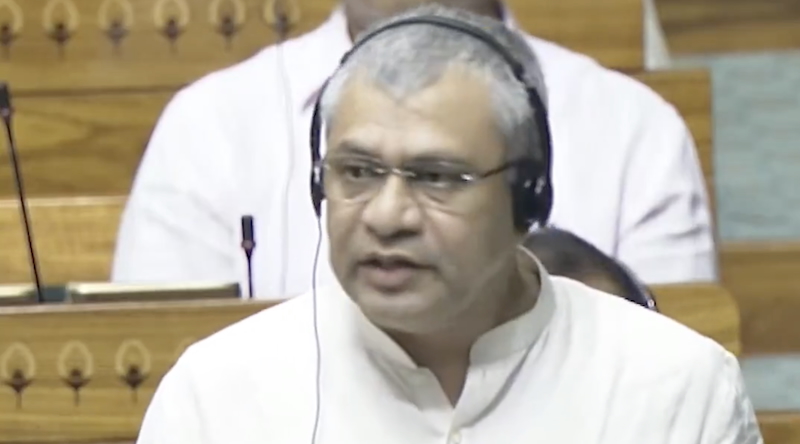
NEW DELHI: The Indian parliament on Friday pushed through a controversial law banning the operation, facilitation and advertising of online money games, amid noisy opposition protests over the lack of debate.
The Promotion and Regulation of Online Gaming Bill, 2025—passed by voice vote in the Rajya Sabha a day after clearing the Lok Sabha—makes online money gaming punishable with up to three years in prison and fines of as much as Rs 1 crore. Offences will be cognisable and non-bailable.
Tabling the bill, electronics and IT minister Ashwini Vaishnaw likened money-gaming addiction to drug abuse and accused powerful vested interests of fuelling terror finance through gaming platforms. He said roughly 45 crore Indians had lost money online, with annual losses pegged at Rs 20,000 crore.

The legislation bans all forms of online betting and gambling—from fantasy sports and poker to rummy, lotteries and other card games—and bars banks and payment providers from processing related transactions.
Advertising such services will invite up to two years’ jail and fines of Rs 50 lakh, while facilitating payments could mean three years in prison and Rs 1 crore in penalties. Repeat offenders face enhanced sentences of up to five years and Rs 2 crore in fines.
Opposition leader Mallikarjun Kharge hit out at the government for forcing the bill through without discussion, even as union minister Kiren Rijiju said protests made a debate impossible.
Vaishnaw stressed the bill distinguishes between harmful money games and esports. Speaking to ANI, he said the government aims to “promote and encourage the good parts” of online gaming, and to make India a hub for development through the planned Indian Institute of Creative Technologies.
Prime minister Narendra Modi, addressing an NDA meeting, hailed the online gaming ban as a reform with “far-reaching impact”, while accusing the opposition of reducing the monsoon session to disruption.
NDTV reported that the government will also act against “big people” attempting to sway opinion through media and social media campaigns against the ban.







Gaming
Nodwin Gaming partners with Runestone for esports data and integrity solutions
South Asian esports leader joins forces with Czech tech firm to enhance tournament operations.
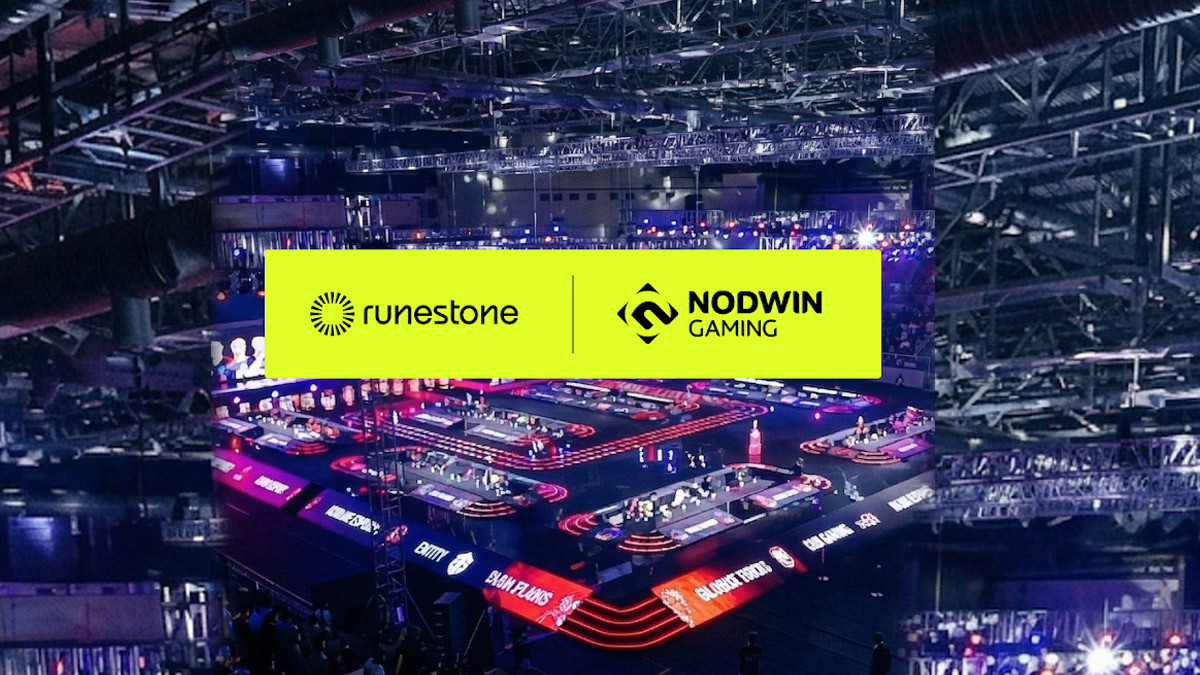
MUMBAI: Nodwin Gaming has just levelled up its game by bringing in a specialist to keep the scoreboard honest and the fans fully engaged. The leading South Asian esports and gaming company has announced a strategic partnership with Runestone, a Prague-headquartered esports technology firm specialising in real-time data and engagement solutions for tournament organisers and publishers.
The collaboration aims to strengthen competitive integrity, improve operational oversight, and deliver more interactive viewing experiences across Nodwin’s properties. It will initially focus on the Nodwin Clutch Series for Counter-Strike 2, a Tier 2 tournament that provides emerging teams with consistent competitive opportunities and helps build the talent pipeline.
The latest edition of the series recently concluded with Big defeating ECSTATIC 2–1 in the grand final of the $50,000 online event.
Nodwin Gaming chief business officer at MENA and global head of data monetization Teemu Koski said, “Integrity and transparency are fundamental to sustainable esports ecosystems, especially in Tier 2 competition where the next generation of talent emerges. Runestone’s expertise complements our experience in building scalable esports IPs.”
Runestone head of partnerships Michael Schwartz added, “Nodwin Gaming has built one of the most dynamic esports ecosystems across emerging markets. We’re thrilled to collaborate on supporting tournaments with greater transparency, deeper fan interaction, and scalable tools.”
Both companies are exploring opportunities to extend the partnership across additional titles, including mobile-first competitive ecosystems, and to develop new products for publishers, tournament operators, and event promoters.
In the rapidly growing world of esports, where fair play and fan excitement are equally crucial, Nodwin Gaming and Runestone are teaming up to ensure every match is not only competitive but also transparent and engaging. This alliance could well become a game-changer for Tier 2 tournaments across South Asia and beyond.







