Cable TV
Rajan Raheja resigns as non-exec director of Hathway Cable and Datacom

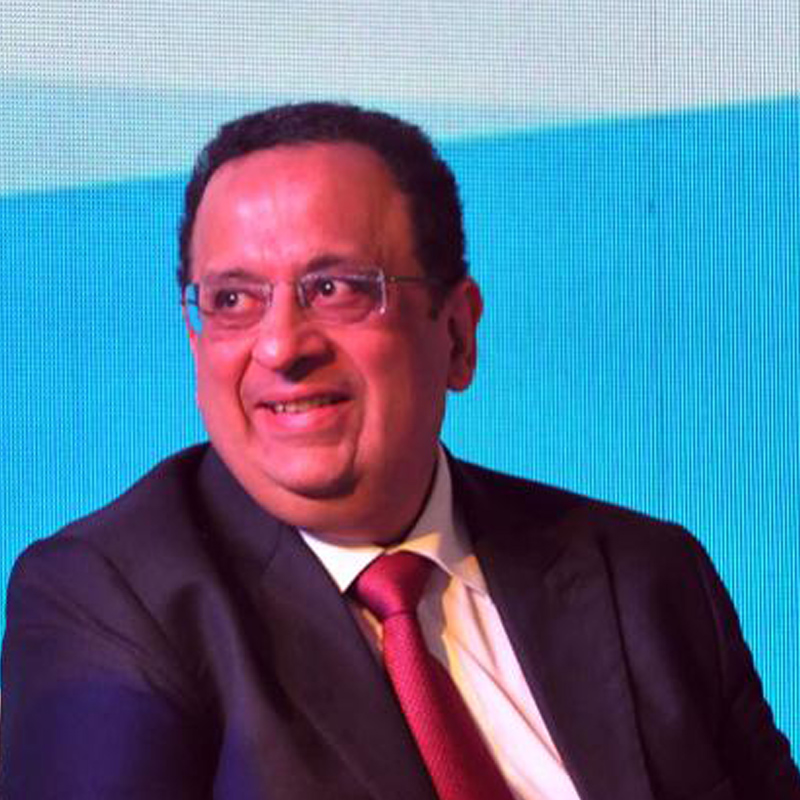
MUMBAI: Billionaire industrialist Rajan Raheja has resigned as non-executive director of Hathway Cable and Datacom Ltd on 30 January. A pioneer in the Indian cable TV industry, he has been widely credited for Hathway’s expansion.
The resignation came in accordance with the agreement between Hathway and Jio Content Distribution Holdings Private Ltd, Jio Internet Distribution Holdings Private Ltd, Jio Cable and Broadband Holdings Private Ltd and the existing promoters of the company.
Last October, Mukesh Ambani’s Reliance Industries Ltd (RIL) acquired majority stake in two leading cable TV broadband companies – Hathway Cable and Datacom and Den Networks. “We are glad to join hands with Rajan Raheja (Hathway promoter) and Sameer Manchanda (DEN), two of the pioneers in MSO industry,” Ambani said in a statement after the acquisition.

After Jio launched its flagship fibre-to-home service Jio GigaFiber, the company asserted that it is open to work with local cable operators. Many experts looked at it optimistically terming the deal “win-win” situation for all the parties.







MUMBAI: When margins wobble, liquidity talks and in Q3 FY25-26, cash did most of the talking. Den Networks Limited closed the December quarter with consolidated revenue of Rs.251 crore, marginally higher than the previous quarter but down 4 per cent year-on-year, even as profitability stayed resilient on the back of strong cash reserves and disciplined cost control.
Subscription income softened to Rs.98 crore, slipping 3 per cent sequentially and 14 per cent from last year, while placement and marketing income offered some cheer, rising 15 per cent quarter-on-quarter to Rs.148 crore. Total costs climbed faster than revenue, up 7 per cent QoQ to Rs.238 crore, driven largely by higher content costs and operating expenses. As a result, EBITDA dropped sharply to Rs.13 crore from Rs.19 crore in Q2 and Rs.28 crore a year ago, pulling margins down to 5 per cent.
Yet, the bottom line refused to blink. Profit after tax stood at Rs.40 crore, up 15 per cent sequentially and only marginally lower than last year’s Rs.42 crore. A healthy Rs.57 crore in other income helped cushion operating pressure, keeping profit before tax at Rs.48 crore, broadly stable quarter-on-quarter despite the tougher cost environment.
The real headline-grabber, however, sits on the balance sheet. The company remains debt-free, with cash and cash equivalents swelling to Rs.3,279 crore as of December 31, 2025. Net worth rose to Rs.3,748 crore, while online collections accounted for 97 per cent of total receipts, underscoring strong cash discipline across operations, including subsidiaries.
In short, while Q3 showed signs of operating strain, the financial backbone remains solid. With zero gross debt, steady profits and a formidable cash war chest, the company enters the next quarter with flexibility firmly on its side proving that in uncertain markets, balance sheet strength can be the best growth strategy.






