News Broadcasting
Raj TV announces ‘Satyaraj 25’ to commemorate the Tamil superstar

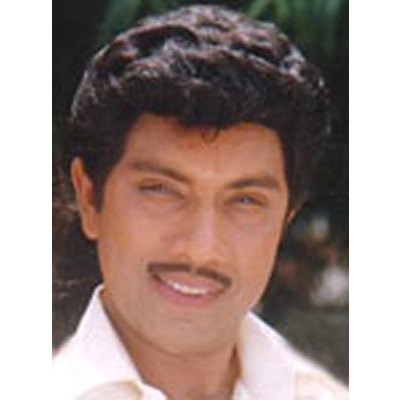
MUMBAI: Raj TV has announced a celebration night to commemorate the 25 years of Tamil actor Satyaraj. The event will be held at Coimbatore on 9 November at 6:30 pm. It will be telecasted on a later date on the channel.
Satyaraj
The Tamil entertainment channel has lined up a star studded performance, with the line up including Sneha, Ramya Krishnan, Ramba, Mantra, Sheriene, Gayatri Raguram, Sibiraj, Riaz Khan, Bala, Ragumannivannan, Ramji and the current heartthrob Trisha (Saami, Alaai). That apart, Vadivelu, Mannivannan, Senthil, and Ramesh Khanna have been called in to provide a comic relief.
Eminent singers like Dr SP Balasubramanian, Anoorada Sriram, Malgudi Shuba, Srinivas and Chitra will also be performing at the event. The evening boasts of attendance of the big wigs of the Southern film industry like Padmashree Kamal Hasan, Vijaykanth, Sarat Kumar, Napoleon, Ajith, Vijay, Soorya, Vikram, Madhavan, KBalachander, Barathiraaja, SP Muthuraman, AVM Saravanan Manorama, Radika, Kushboo, Roja, Deviyani, Banu Priya, Revathi and Rekha.

While the lights and music is being arranged by Sadhaga Parvaigal “Shankar”, choreography is being organised by Cine Fame and Lalitha Mani and Team will provide lighting at the venue. Around 10000 audience are said to attend the event
While Satyaraj started off a career on the silver screen as a character artist in 1974, then quickly made a transition to playing a villain, followed by villian-cum-comedian and later he moved on to play the main negative lead. After a fair share of playing the anti-hero, he branched out to comedy. During his 25 years stint, he had created maximum number of box office hits like Poovizhe Vasalile, Nadigan, Vedham Pudhithu and Amaithipadai. Also called as Puratchi Thamizhan, he has acted in more than 140 films in various languages.
Recipient of the Kalaimamani, award by government of Tamilnadu, Satyaraj has worked with eminent directors like Fasil, Mani Ratnam, Mannivannan, K.Balachander and Bharthiraja and actors like Kamal Hasaan, Rajnikanth, Late Sivaji Ganesan. He has also received Tamil Nadu State Film Awards for Poovizhe Vasalile, and Vedham Pudhidhu.





News Broadcasting
Kamlesh Singh receives Haldi Ghati Award from MMCF
India Today Group editor honoured for three decades of journalism at Udaipur ceremony.
MUMBAI- Kamlesh Singh just turned a lifetime of sharp words into a shiny shield because when journalism wakes up a society, even the Maharana of Mewar wants to pin a medal on it.
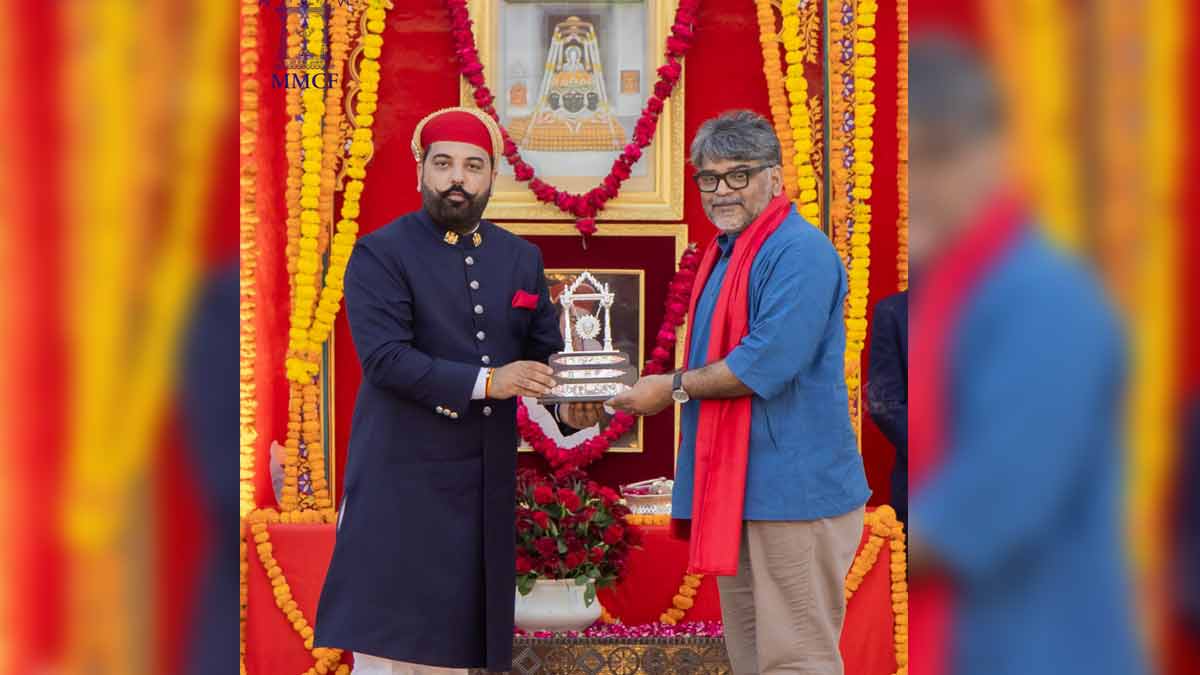
The Maharana of Mewar Charitable Foundation (MMCF) conferred its prestigious Haldi Ghati Award on Kamlesh Singh, a senior editor at the India Today Group, during a ceremony in Udaipur on 15 March 2026. The national award, instituted in 1981-82, recognises “work of permanent value that initiates an awakening in society through the medium of journalism.”
Singh, who leads several editorial initiatives including Aaj Tak Radio, the Teen Taal community and The Lallantop, was presented the honour by Lakshyaraj Singh Mewar, Managing Trustee of MMCF. The citation highlighted his three decades of contributions to Indian media, innovations in digital journalism, mentoring young reporters, and his popular podcast persona “Tau” on Teen Taal, which fosters thoughtful public discourse.
The Haldi Ghati Award, named after the historic Battle of Haldighati symbolising valour and resilience, is one of four national awards given annually by MMCF. Past recipients include Tavleen Singh, Piyush Pandey and Raj Chengappa.
Other honourees this year included Padma Vibhushan Pt Hari Prasad Chaurasia, Vedamurti Devvrat Rekhe, Treeman of India Marimuthu Yoganathan, Vir Chakra Capt Rizwan Malik, and US-based researcher Molly Emma Aitken, who received the Colonel James Tod Award for contributions to understanding Mewar’s spirit and values.
In an era where headlines often shout louder than substance, the MMCF quietly reminded everyone that real journalism isn’t about noise, it’s about the quiet, persistent work that stirs society awake, one thoughtful story at a time.







