News Broadcasting
Radio City to rock Saturday nights with Disco

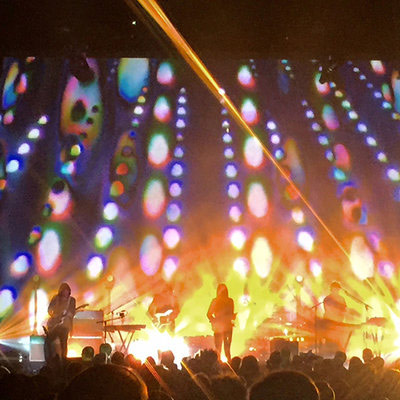
MUMBAI: Get in your best retro gear! At Radio City, it’s the time to disco every Saturday night between 9:00 pm and midnight.
In a bid to provide some programming and content innovation, Star’s FM arm – Radio City 91 FM is launching Disco Nights, a weekly three-hour show on Saturday nights.
The show, which premiered on 3 April, is the channel’s take on the city’s glam quotient. Besides playing the hippest and coolest tracks, the show will also report on people and places that make the city groove. Premiering across the Radio City stations in Mumbai, Delhi and Bangalore, the show will have the best of high energy Hindi music playing Bollywood songs, remixes, and Indipop, says a company release.

Announcing the launch of Disco Nights, Radio City COO Sumantra Dutta said, “With the listening masses embracing entertainment wholeheartedly, the Indian music scenario is also witnessing a huge revival of high energy Hindi Disco music. Radio being the true medium of the masses and the sole source of entertainment for millions, allows Radio City the unique opportunity to service that gap in the radio market. Today one finds an affluent car owner enjoying a song in his car equally as much whilst the same song plays out on a Rs 60 portable radio for someone traveling in a Bombay local train. Once the weekend is upon us, come Saturday and everyone likes to enjoy and let their hair down after a long and grueling work week.”
Apart from playing the best tunes, Disco Nights is also a partygoers guide to what’s hot and happening each week in each city.
According to the release, the programme will be divided into four sub sections:
1. Radio City Party Zone: The station will profile two hip and happening nightspots of the city every week. This section promises to be a one stop shop providing all the information with respect to the timings, cover charges, ambience, fashion tips, and just everything that one would want to know about the club.
2. Disco Nights Item Number: Radio City, through this section, gives one the opportunity to know about Bollywood heroines whose songs have become foot tapping item numbers of the nation.
3. Disco Nights Reverse gear: A blast from the past – a song that took the country by storm sometime in the past
4. Radio City Disco Deewane: A sneak peek into the lives of the party animals of the city. Find out all about the who’s who of Mumbai who will speak to the listeners live from a happening party – and know trivia like why do they party, what do they wear, where do they party.







News Broadcasting
CNN-News18 to host Fury in the Gulf conclave on West Asia crisis
Three-hour summit to unpack geopolitical fallout and impact on India
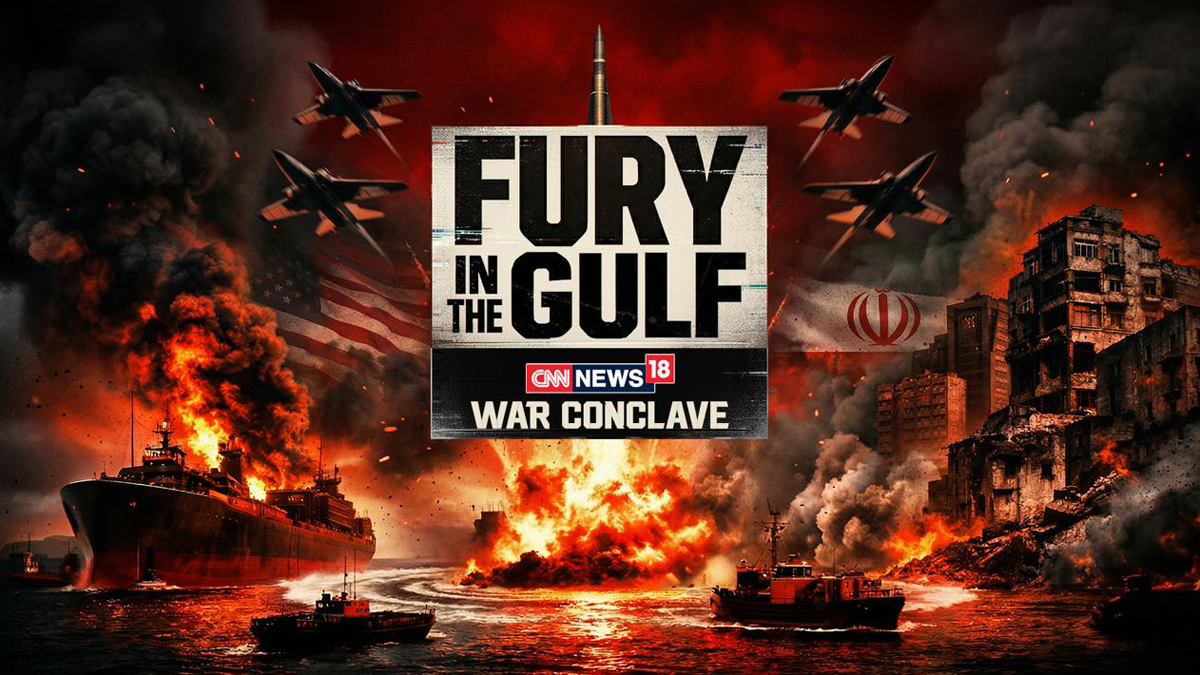
MUMBAI: CNN-News18 is set to host a special three-hour broadcast, Fury in the Gulf – War Conclave, on April 7, aiming to decode the escalating West Asia crisis and its far-reaching implications for India.
Scheduled from 4:00 PM to 7:00 PM, the conclave comes at a time when tensions between Iran and the United States are reshaping global geopolitics and triggering economic uncertainty. With India’s deep energy ties, trade links and large diaspora in the Gulf, the developments carry significant domestic relevance.
Built around the theme ‘Conflict, Consequences, and The Future,’ the programme will feature six curated sessions combining one-on-one interviews and panel discussions. The focus is to cut through the clutter and offer viewers a clearer understanding of the fast-evolving situation.
Key sessions include ‘Diplomacy in Times of War’ featuring Shashi Tharoor, and ‘World After the Iran Conflict’ with voices such as Ram Madhav, Reuven Azar, representatives from the European Union and the Iranian Deputy Envoy. Another session titled ‘Another Dunkirk?’ will bring together K. J. S. Dhillon and Jitin Prasada among others.
CNN-News18 editorial affairs director Rahul Shivshankar said, “In times of war, clarity becomes the most powerful tool. Fury in the Gulf – War Conclave brings together credible voices to address the questions and confusion that arise amid an overwhelming influx of information.”
He added that the initiative is aimed at delivering “facts, perspective, and insight” at a time when misinformation can easily cloud public understanding.
Echoing the sentiment, CNN-News18 CEO– English and business news Smriti Mehra said the conflict marks a defining global moment, with consequences that extend well beyond the region. She noted that the conclave seeks to present the crisis with “depth, nuance and responsibility” so audiences can better grasp its real-world impact.
As geopolitical tensions continue to dominate headlines, the conclave positions itself as an attempt to bring order to the noise, offering viewers a structured, insight-led look at a complex and rapidly shifting global situation.






