Movies
PVR Inox marks Independence Day with 18 new screens in Mumbai and Bengaluru

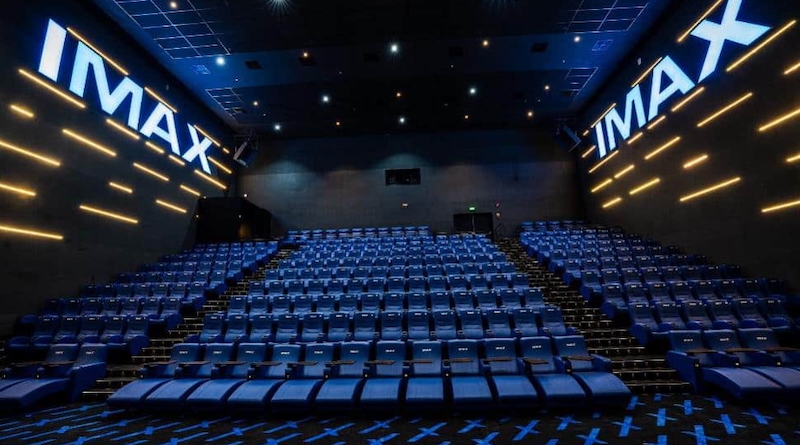
MUMBAI: PVR Inox has turned Independence Day into a box office bonanza with the launch of 18 state-of-the-art screens across Mumbai and Bengaluru. The country’s largest cinema exhibitor unveiled a 10-screen megaplex at Sky City Mall in Borivali East, Mumbai, and an eight-screen flagship at Mahindra Millennium Mall in Bengaluru.
Timed to coincide with the releases of Coolie and War 2, the two properties showcase the exhibitor’s boldest push yet into experience-driven entertainment. The Borivali megaplex spans multiple levels and features premium formats including Insignia, Imax with Laser and 4DX, with Instagram-ready foyers and lounge spaces pitched squarely at younger audiences.
Bengaluru’s new multiplex promises even more experimentation: India’s first dine-in auditorium restaurant, an upgraded “Kiddles 2.0” cinema for children, Club Sapphire recliner halls, and VR/AR gaming zones. AI-enabled crowd-flow systems add a tech edge to the glitzy design.


PVR Inox managing director Ajay Bijli said the new cinemas celebrate “the freedom to experience stories in spaces that inspire, energise, and connect.”
Executive director Sanjeev Kumar Bijli called the simultaneous 18-screen launch the firm’s “boldest step yet” in reimagining cinema as a multi-sensory destination.
With 1,763 screens across 355 properties in 111 cities, PVR Inox continues to dominate Indian film exhibition. By positioning its latest properties as lifestyle hubs as much as theatres, it is betting that movie-going can be turned into a festival every weekend.





Hindi
MIFF 2026 to return to Mumbai; film entries open till April 12
19th edition to host WAVES Doc Bazaar, spotlighting global documentary talent
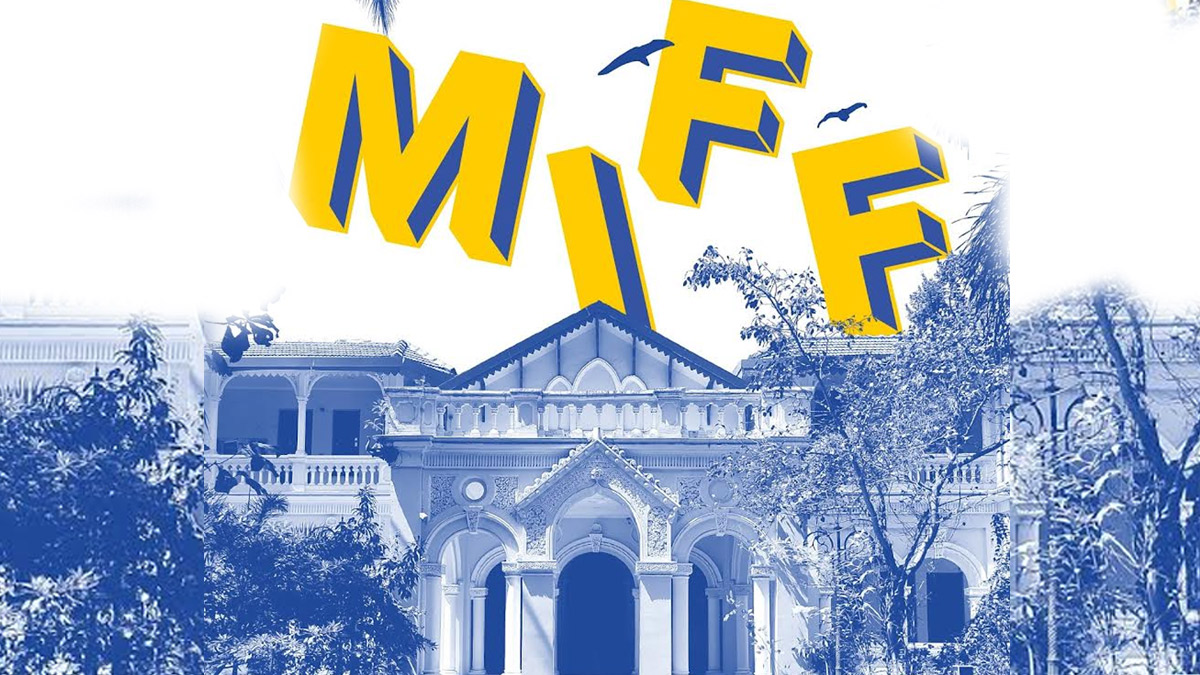
MUMBAI: The 19th edition of the Mumbai International Film Festival 2026 is set to take place from June 15 to 21 at the NFDC Complex, with film submissions currently open and the deadline fast approaching on April 12.
Organised by the National Film Development Corporation under the Ministry of Information and Broadcasting, the biennial festival remains one of South Asia’s most prominent platforms for documentary, short fiction and animation films.
Filmmakers, producers and content creators from across the globe have been invited to submit entries via the Film Freeway platform for the Competition Section. Offline submissions will not be accepted, reinforcing a fully digital entry process.
MIFF 2026 continues to sweeten the deal with a robust awards pool of Rs 55 lakh. The coveted Golden Conch for Best Documentary carries a top prize of Rs 10 lakh, alongside multiple awards across categories, making it one of the most lucrative non-feature film festivals in the region.
A key highlight this year will be the second edition of the WAVES Doc Bazaar, scheduled from June 16 to 18 alongside the festival. Designed as a hub for collaboration, the Doc Bazaar will feature a co-production market, viewing rooms and a work-in-progress lab, bringing together global buyers, sellers and creators under one roof.
Since its inception in 1990, MIFF has built a reputation as a serious showcase for non-feature cinema, drawing participation from filmmakers worldwide. The previous edition saw over 350 films from more than 30 countries, underlining its growing international footprint.
With submissions closing soon and preparations underway, MIFF 2026 is shaping up to be a vibrant meeting point for storytelling, collaboration and cinematic craft, offering filmmakers both a stage and a springboard.







