Hollywood
‘Pulp Fiction’ anniversary at Cannes, ‘Django’ television series planned

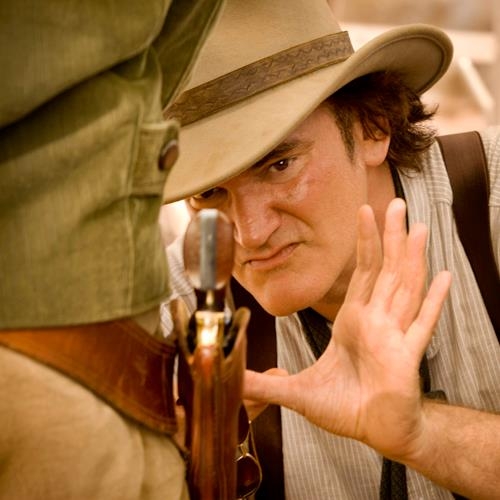
MUMBAI: To celebrate the 20th anniversary of the cult classic, maverick director Quentin Tarantino along with the stars of Pulp Fiction, John Travolta and Uma Thurman, treated the masses to a public screening of the cult classic on the beach at Cannes. Standing on a makeshift stage in front of a giant screen, Tarantino welcomed his two actors, who, one by one, walked down a sandy aisle before flanking their Pulp Fiction director.
Pulp Fiction was the winner of the 1994 Palme d’Or (Golden Palm) from a jury presided over by Clint Eastwood; Pulp Fiction had its official world premiere at the Grand Theatre Lumiere on 19 May that year. However, although the film had been kept tightly under wraps and was screened for no one in the United States before its Cannes debut, a number of critics did get a secret sneak peek at it the night before.

Prior to the screening, the cast and crew of Pulp Fiction were spot walking on the official red carpet at the Palais De Cannes and then attended a party hosted by Miramax Pictures.
The Oscar-winning director told the audience at the Cannes Film Festival on Friday that he’s looking at a four-hour miniseries version of his acclaimed 2012 pre-Civil War Western Django Unchained.
“I have about 90 minutes’ worth of material with Django [that] hasn’t been seen,” said Tarantino to USA Today. “My idea, frankly, is to cut together a four-hour version of Django Unchained… But I wouldn’t show it like a four-hour movie. I would cut it up into hour chapters. Like a four-part miniseries. And show it on cable television. Show it like an hour at a time, each chapter.”
“We’d use all the material I have and it wouldn’t be an endurance test,” he added. “It would be a miniseries. And people love those.”
Django earned a total of five Academy Award nominations, including for Best Picture. It grabbed the golden statuette for Original Screenplay and Supporting Actor Christopher Waltz.






Hollywood
WBD sets April 23 vote on $110bn Paramount Skydance merger
Investor approval key step, but regulators loom over mega media deal
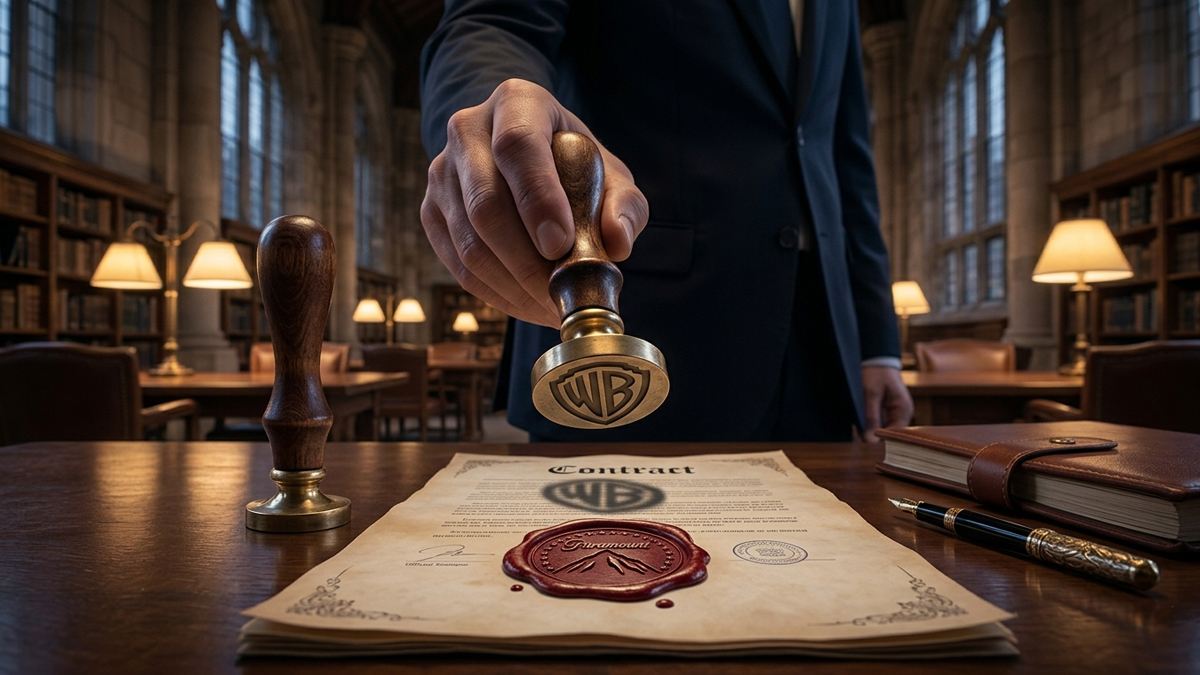
NEW YORK: Warner Bros. Discovery has set April 23 as the date for shareholders to vote on its proposed $110 billion merger with Paramount Skydance, marking a crucial step in one of the biggest media deals in recent years.
The all-cash transaction offers WBD shareholders $31 per share, a hefty 147 per cent premium to its unaffected stock price, signalling strong intent to push the deal across the finish line. The company’s board has unanimously backed the merger and is urging investors to vote in favour.
Even if shareholders give the green light, the deal is far from done. Regulators in the United States and Europe are expected to scrutinise the merger closely, weighing concerns around competition and potential price impacts for consumers.
To keep investors on side, WBD has built in a safety net. If the deal is not completed by September 30, shareholders will receive a quarterly “ticking fee” of $0.25 per share until closure.
The proposed merger would significantly reshape the media landscape, combining the assets of Warner Bros. Discovery with those linked to Paramount Global and Skydance Media. It would also cement the growing influence of David Ellison, who has been steering Skydance’s aggressive expansion strategy.
“The WBD Board has been guided by the singular principle of securing a transaction that maximises the value of our iconic assets and delivers as much certainty as possible to our shareholders,” said Warner Bros. Discovery board chair Samuel A. Di Piazza Jr.. “This historic transaction will expand consumer choice and create new opportunities for creative talent.”
Warner Bros. Discovery chief executive officer David Zaslav added that the company is working closely with its counterpart to close the deal and unlock value for stakeholders.
With investor backing likely but regulatory hurdles ahead, the proposed merger is shaping up to be a defining moment for the global entertainment industry, where scale, content and competition are increasingly intertwined.






