Gaming
PUBG Ban In India: What’s next to fill the void?

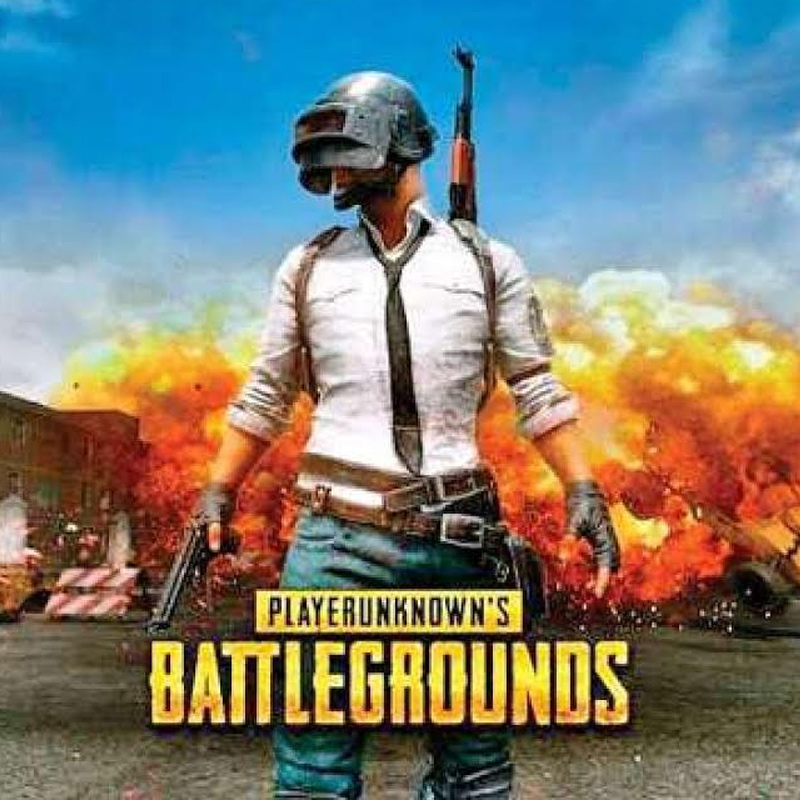
KOLKATA: The Indian government’s move to pull the plug on PUBG mobile along with other 117 Chinese apps may have come as a rude shock for game aficionado. But gamers aren’t losing sleep over it. Many are quickly reskilling themselves to train guns, strategies, and experiment on other applications. However, it has also left a question for the brands which were investing on these platforms to target younger consumers, media planners seem less worried about the void. The game is banned on mobile, however the desktop version is still available.
Tech giant Tencent has lost nearly $34 billion of its market value within two days after the news surfaced. According to a report from Sensor Tower, PUBG has more than 175 million installations from India alone which accounts for 24 per cent of the total installations worldwide. The estimates clearly indicate that India was a huge market for the multiplayer battle royale game.
“The PUBG ban in India is a great opportunity for Indian and international game developers to win some ground. This is an opportune time for the developers of Fortnite, Call Of Duty, and on local soils, Rogue Heist to ramp up their infrastructure so that they can handle the surge of new users that they will start seeing,” Zoo Media CTO and Noesis.Tech founder Siddharth Bhansali says.

Dentsu Webchutney associate creative director Zubin Jauhari also speaks about the games like Call of Duty. “For brands that are exclusively seeking gaming collaborations, there are games like Call of Duty that they could look to along with some Indian brands as well, he opines. The immediate reach in terms of audience and other engagement metrics will naturally be lower, for the near future,” he opines.
India has a huge potential for esports. As per the recent industry reports, the industry was pegged at Rs 6,200 crore in 2019 and is slated to cross Rs 25,000 crore by 2022. Experts are witnessing a four-fold growth in the coming days in this sector which clearly indicates a huge opportunity.
“I believe this move affects Tencent more than anyone else, with several reports on how Tencent’s market value dropped right after the ban was announced. PUBG had a massive following in India, but this move will affect the e-sports industry only momentarily. It opens up the doors for competitor apps to try and capture the market and is a fantastic opportunity for the Indian gaming industry to try and fill the void,” Jauhari adds.
As soon as the news of the ban on PUBG mobile was announced, Bollywood actor Akshay Kumar announced the launch of a multi-player action game called ‘Fearless And United-Guards’ or FAU-G. The game has been developed by nCore, a mobile games and interactive entertainment company, based out of Bengaluru. It is expected to by out by October end.
Supporting PM @narendramodi’s AtmaNirbhar movement, proud to present an action game,Fearless And United-Guards FAU-G. Besides entertainment, players will also learn about the sacrifices of our soldiers. 20% of the net revenue generated will be donated to @BharatKeVeer Trust #FAUG pic.twitter.com/Q1HLFB5hPt
— Akshay Kumar (@akshaykumar) September 4, 2020
The industry appears to be upbeat about the homegrown apps as it sees a great opportunity. Several reports suggest that the number of people playing online games is set to cross 300 million. The number has grown on the back of affordable internet and members joining from tier 2 & 3 cities.
“Currently, India is the no.1 country in terms of game downloads, but when it comes to revenue, a significant portion of this revenue is going outside the country. When we talk about digital goods, it is very easy for gaming companies which are settled abroad to add India to their market strategy, there is not much additional infrastructure that they need to invest in. However, if the gaming industry in India was to be dominated by homegrown apps, you can imagine the kind of ecosystem and the employment opportunities that it could generate,” Hitwicket VP-growth & co-founder Keerti Singh says.
While many experts are drawing similarity with TikTok’s ban as there are hardly any homegrown mobile gaming apps in India unlike short-video platforms. The names emerging as alternatives are Call of Duty(COD) Mobile, Free Fire, Fortnite, Valorant, however, none of them is developed by Indian organisations.
On the other hand, influential gamers of PUBG are probably busy developing their skills and building followers for their craft on these alternative platforms. Bhansali is of the view that brands need to act quickly to tap into gamers who are building a name for themselves on these alternative battle royale style online multiplayer games so that they can continue engaging this lucrative demographic.
“Streamers now will shift to other games. The only one that can replace PUBG mobile is Call of Duty mobile and that everyone is playing right now, all the big creators. Free Fire is also an option but the quality of gameplay is very bad for Free Fire. It’s basically a bit childish game. Conversions will definitely go to Call of Duty Mobile,” Trinity Gaming India founder COO Shivam Rao says.
TSM Entity team manager Sid Joshi also brings up an important point. According to him, banning PUBG mobile will not substantially help other games to grow other than of the same genre. It is barely going to help PC or console gaming as “a Cricket fanatic does not turn into Football enthusiast overnight.” However, Joshi adds that the gamers between the age of 19 to 25 will keep experimenting with similar games as many of them are stuck at home.
LXG e-sports and broadcasting director Kiran Noojibail also thinks on similar lines. “PC and console games are not going to have any significant impact as PUBG Mobile’s main audience were smartphone users,” opines Noojibail. However, he does not see any alternative yet in similar genre also.
Against the backdrop of a sinking economy, it is going to be very difficult as shifting to other game needs re-skilling. At the time of TikTok ban, influencers could land on another similar platform with the same set of skills.
No one can presume exact losses. “Obviously the move will impact the streamer community but as far as the people we manage are concerned, they are not complaining about it, as the decision is in the larger national interest. Everyone is in support of that. As far as brand integrations and partnerships are concerned, we are assuming that they will take a hit but it is still too early to say how big the losses would be,” Rao says.
He further adds that the major impact will be on the e-sports industry including the tournament organisers, people who are interested in lineups, boot camps and others who had tie-ups with the teams. “Those concerned groups also have to pay salaries to their players. Along with that, platforms and startups like Loco, Rio will be the worst impacted,” Rao mentions.
Noojibail also shared the same thought. He says, “A number of tournaments were also lined up which would affect the organisers’ revenue badly. Even sponsors have to re-strategise their plans. It will take at least take a couple of months before the storm calms a bit. It is a very substantial loss for the industry”.
(With inputs from Mansi Sharma)






Gaming
S8UL to compete across 13 titles at Esports World Cup 2026 in Riyadh
The Mumbai-based outfit’s largest-ever global campaign comes with a $75m prize pool on the line
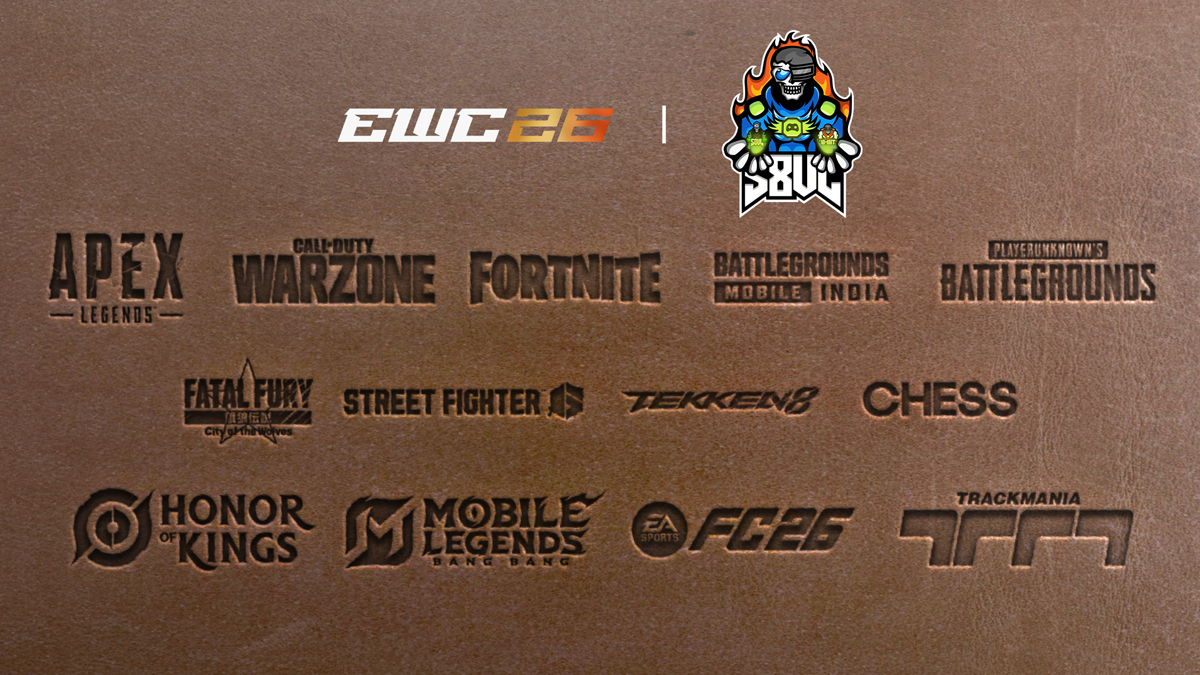
MUMBAI: India’s biggest esports organisation is going all in. S8UL, the Mumbai-headquartered esports and gaming content group, has announced it will enter qualification pathways across 13 titles at the Esports World Cup (EWC) 2026, the highest number of titles ever attempted by an Indian organisation at a global esports tournament.
The titles span the full breadth of competitive gaming: Apex Legends, Battlegrounds Mobile India (BGMI), Call of Duty: Warzone, Chess, EA Sports FC, Fatal Fury, Fortnite, Honor of Kings, MOBA Legends 5v5, PUBG: Battlegrounds, Street Fighter 6, Tekken 8, and Trackmania. Together, they cover PC, console, and mobile ecosystems across genres including FPS, battle royale, fighting games, sports simulation, strategy, and racing.
The announcement follows S8UL’s selection as a club partner by the Esports Foundation for the second consecutive year, placing it among an elite cohort of 40 leading esports organisations worldwide.
The EWC 2026 will be held in Riyadh from July 6 to August 23, featuring a record prize pool of $75m (approximately Rs 700 crore). More than 2,000 players and 200 clubs from over 100 countries will compete across 24 titles. At the heart of the competition is the Club Championship, which carries a $30m (approximately Rs 280 crore) prize pool, rewarding consistent performance across multiple games.
Animesh Agarwal, co-founder and chief executive of S8UL, said the scale of this year’s campaign was the product of hard lessons learned. “Our experience in Riyadh last year gave us a clear understanding of what it takes to compete consistently at the global level. Since then, we have been deliberate in refining our approach, strengthening our foundation, investing in the right talent, and expanding into titles with long-term potential. The focus now is on execution: delivering consistent performances and establishing S8UL as a credible contender across every title we enter.”
At EWC 2025, S8UL competed across nine titles, reaching the Grand Finals in Apex Legends and securing top-eight finishes in Chess and EA Sports FC. This year’s campaign adds five new titles: Fortnite, Honor of Kings, PUBG: Battlegrounds, Street Fighter 6, and Trackmania.
The organisation has arrived at EWC 2026 in sharp form. Its BGMI roster won the BGMI India Series 2026, India’s premier mobile esports tournament. Its MOBA Legends 5v5 team claimed the Rai Star x Gyan Gaming Cup. Grandmaster Nihal Sarin won the Menorca Open. The VALORANT roster took the VCSA Split 1. The Honor of Kings team won the Kings Arise India City Tour in Mumbai. And on the global stage, the Apex Legends roster delivered a historic top-five finish at the ALGS 2026 Championship, the best-ever result by an Indian organisation in that title.
For Indian esports, the direction of travel is unmistakable. S8UL is no longer just showing up at the world’s biggest gaming tournament. It is arriving with intent.







