Event Coverage
Pre-school kids content’s monetisation and viewership challenges

MUMBAI: Animators have long contemplated the complexity of producing pre-school content for the ages of two to four years. On the third day of FICCI Frames 2019, executives from the industry spoke about ‘Catching youngest viewers: Powering the kids network and advertisers ecosystem through data’. It had panellists BARC India senior VP business development partnerships Elbert D’silva, Sony Yay head programming Ronojoy Chakraborty, DDB Mudra Group executive director Sathyamurthy Namakkal, GroupM business head entertainment, sports and live events Vinit Karnik, Viacom18 head content kids TV network Anu Sikka and Graphiti multimedia co-founder Mujal Shroff. The session was moderated by Punaryug Artvision founder Ashish Kulkarni.
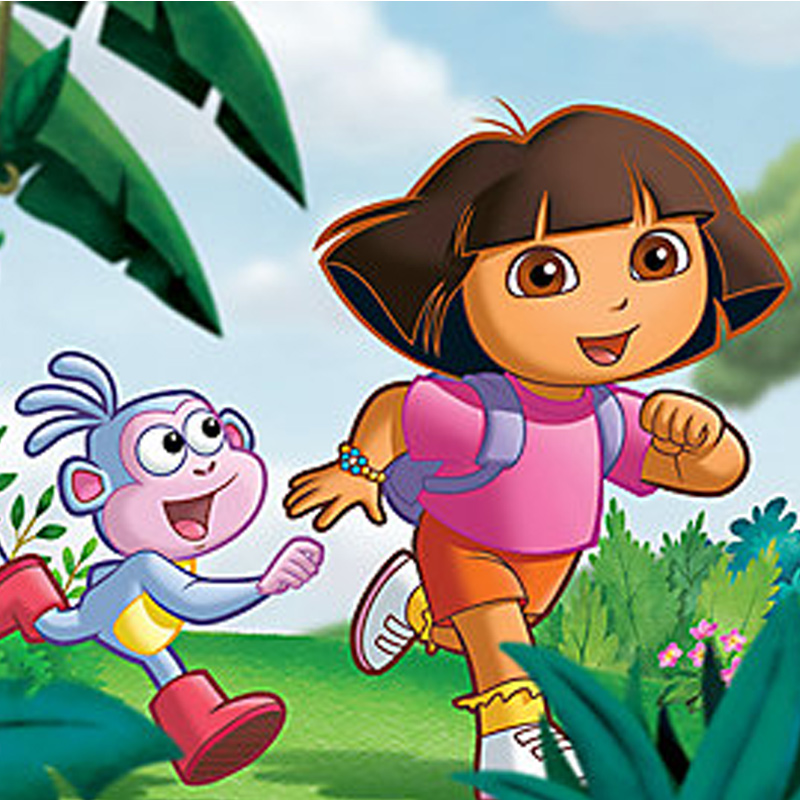
Sikka threw the limelight over the issue that the industry had been facing since the start and the reason why the kids genre is under-indexed. She said that at first it was a question of finance and so the industry depended on acquired content and later realised the need to produce home-grown content. Parents also exert some control over what the kid watches. A kid may have no issue with Dora being Indian or not, but it is the parents who demand local content. They would want their kids to watch localised content. “Kids from age five demand local content, but in case of kids from the age group of 0-2, the parents are the gatekeepers,” she concluded.
She further added that now is the time that we need to cater to specialised content. “If you look at our Nick Jr. channel, it has grown three to four times this year. But unfortunately, if you look at the overall programming, we don’t get viewership of the two to fourteen years age group. And that is why there is a lack of pre-schooling content,” she said.

On the other hand, Shroff said that there is also a placement issue. He said, “If you look at the viewing pattern, as the child evolves these days, it is on multiple devices. But some age groups still prefer TV.” Kids aged 5-6 or 9-10 tend to consume content on their parents mobile phones or any other device but a 2-year-old kid still watches TV.
Chakraborty explained that pre-school programming is only justified if it can be monetised. “If you look at our category, one-fourth share is GECs but the revenue share for kids category is one-tenth. Hence the revenue here is very less and therefore, broadcasters are not creating content,” he said. If BARC were to provide some viewership cuts for the pre-school audience rather than keep it as a part of the entire kids genre, broadcasters will be able to curate better content.
Agreeing with him, Karnik said that it would be difficult to strategise programming for the pre-schooling kids as the category as a whole is under-indexed in terms of advertising. Despite witnessing a hike in ratings, revenues are increasing at a snail’s pace.
Namakkal chipped in with a different standpoint. He said that the industry shouldn’t get greedy about data because there is already information overload. “One-third of kids consume one and a half hours of video on TV screens. But while we talk about advertising revenue, it will never be equal to viewership share,” he explained.







Event Coverage
Anime India announces Amazon MX Player as co-presenting partner for Anime India Kolkata 2026
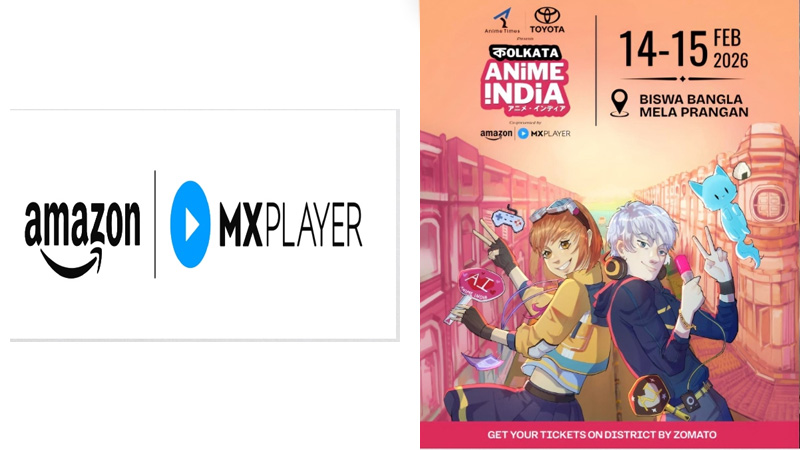
MUMBAI: Riding high on the success of its blockbuster Mumbai debut, Anime India is accelerating its nationwide expansion with the announcement of Amazon MX Player as the co-presenting partner for Anime India Kolkata. The partnership marks a significant step forward in the festival’s mission to deliver large-scale, accessible, and fan-first anime experiences across the country.
Scheduled for 14 and 15 February 2026 at the iconic Biswa Bangla Mela Prangan, Anime India Kolkata will launch the first regional chapter of what is set to be a year-long, multi-city tour. As the curtain-raiser for the 2026 circuit, the Kolkata edition aims to fuse the energy of global Japanese pop culture with India’s fast-growing community of anime, manga, and pop-culture fans.
A household name in digital entertainment, Amazon MX Player brings unmatched reach and cultural relevance to the Anime India platform. With its expanding focus on anime and youth-driven content, Amazon MX Player’s involvement as co-presenting partner reinforces Anime India’s vision of making anime culture more inclusive breaking barriers of language, geography, and accessibility to connect with fans nationwide.
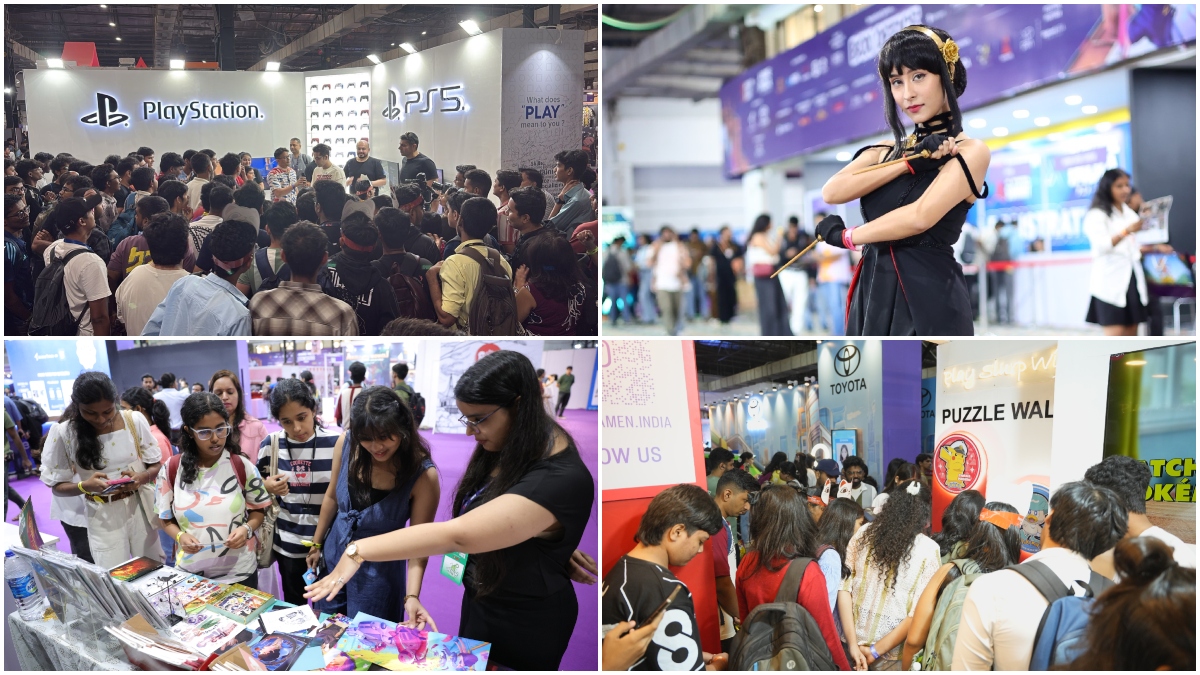
Anime India Kolkata 2026 will showcase cosplay competitions, interactive zones led by the Indian Gunpla Community, India-39 Vocaloid Community, The Japan Curry, and Adda-o-Otaku by The Otaku Guild. Fans can join tournaments across fighting games, Pokémon VGC, and more. Acclaimed Japanese director Susumu Mitsunaka (Haikyu!!) will attend as guest of honour, appearing in panels and live sessions. Positioned as an immersive celebration of fan culture and industry collaboration, the Kolkata edition marks the beginning of Anime India’s nationwide expansion.
Sharing their perspective on the partnership, Amazon MX Player director Aruna Daryanani expressed, “Anime in India has evolved from a niche interest into a mainstream cultural movement, driven by an increasingly engaged and passionate fanbase. At Amazon MX Player, our focus is on expanding access by bringing anime to audiences across the country for free and in multiple local languages. Our association with Anime India reflects our commitment to supporting the growth of anime in India and deepening connections with fans, while continuing to build Amazon MX Player as a trusted destination for free, high-quality entertainment.”
“Anime India Kolkata is a celebration of how anime has grown beyond entertainment into a powerful cultural and creative force. By bringing fans, creators, and industry leaders onto one shared platform, the festival is helping define the future of pop culture in India,” said Anime India co-founder and director Neha Mehta.
The debut edition of Anime India 2025 in Mumbai attracted over 29,000 fans, quickly cementing its status as a landmark celebration of anime and Japanese pop culture. Riding on this overwhelming response, the Kolkata chapter is projected to draw more than 40,000 visitors across two days, positioning it as one of the biggest anime conventions ever held in eastern India.
Anime India is focused on bringing together fans from across the country to create a truly pan-India celebration of anime, manga, cosplay, gaming, and Japanese culture. With plans to expand into four key metropolitan hubs in 2026—east (Kolkata), north (Delhi), west (Mumbai), and south (Hyderabad)—the festival seeks to deliver globally benchmarked experiences while supporting and uplifting creators, artists, and fan communities throughout India.






