News Broadcasting
Prasad likely to ‘brief’ Thackeray on CAS Friday

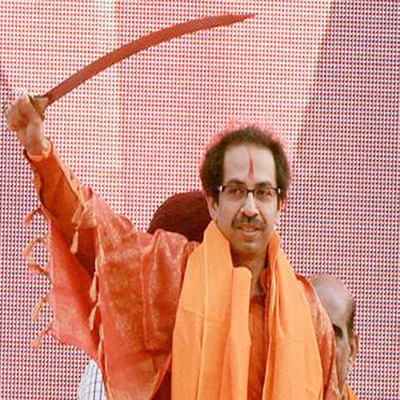
NEW DELHI: Facing opposition from Shiv Sena Supremo Bal Thackeray on the Conditional Access System, information and broadcasting minister Ravi Shankar Prasad is likely to meet him in a bid to bring him around ahead of its July 15 implementation in the four metros.
The minister is leaving for Mumbai tomorrow and is likely to meet Thackeray there, a Press trust of India report, quoting government sources here, said.
The fate of CAS came under a cloud with the BJP itself expressing apprehensions about its outcome following which the Prime Minister and deputy prime mMinister asked the I&B ministry to take all possible measures to ensure that it is consumer-friendly.

However, it faced another hurdle when Thackeray last week opposed its implementation saying government would have to “pay a heavy price” for its decision to force the people to buy set top boxes priced at Rs 6,000 (Thackeray was seemingly unaware that with the slashing of customs duties STB prices had come down to half that).
He also alleged that “a London based business magnate had struck a deal with the government and they want to dump their set top boxes in India”.





News Broadcasting
Govt extends suspension of BARC ratings for news channels by four weeks
Move aims to curb sensational coverage amid global conflict concerns
MUMBAI: India’s television news ratings freeze is set to run longer. The Ministry of Information and Broadcasting has extended the suspension of Television Rating Points reporting for news channels by another four weeks, following its initial order issued on 6 March.
The directive had instructed the Broadcast Audience Research Council to temporarily halt TRP data for news broadcasters for a month, or until further notice. According to media reports, the pause has now been extended by an additional four weeks, taking the suspension into a second consecutive month and signalling continued regulatory unease.
At the heart of the decision are concerns over sensational and speculative reporting by sections of the news media, particularly during coverage of the US–Iran conflict. The ministry believes such content risks amplifying public anxiety and distorting viewer perception during sensitive geopolitical developments.
Industry watchers say the extension underscores a broader push to nudge news broadcasters towards more measured and responsible reporting. Earlier signals had hinted that the suspension could be prolonged further if channels failed to dial down panic-driven narratives.
For broadcasters and advertisers alike, the absence of TRP data continues to cloud visibility on audience behaviour, even as it sharpens the spotlight on editorial conduct.








