News Broadcasting
Policymakers should create single national policy for M&E sector: K Madhavan

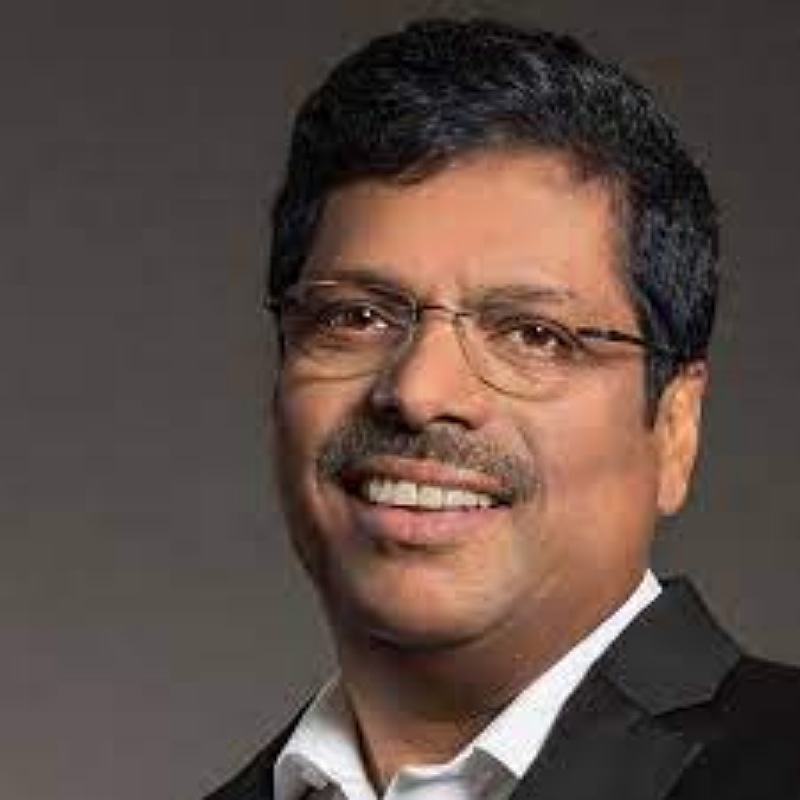
Mumbai: Policymakers should create a single national policy for the media and entertainment sector, said CII national committee chairman and The Walt Disney Company and Star India country manager and president K Madhavan at the 10th edition of the CII Big Picture Summit on Wednesday. “Regulations like new tariff order (NTO) 1 and 2 did not address the interests of any stakeholders including consumers,” Madhavan stated.
The event was attended by Trai chairman Dr PD Vaghela and ministry of information and broadcasting secretary Apurva Chandra. The summit was a gathering of stakeholders in the media and entertainment industry to achieve the goal of reaching $100 billion.
In his speech, Madhavan noted that given the “power and influence” of the TV broadcast industry, it is essential that it be allowed to “freely flourish” with the power to “self-regulate.” “Self-regulatory bodies for both TV and digital are working extremely well in India, and have proved that they can effectively handle complaints and concerns without any interference from policymakers and regulators,” he said.

He acknowledged Dr Vaghela for taking a keen interest to address the concerns of the industry on priority and hoped for a “positive and proactive” approach from the regulator going forward. Madhavan stressed the need for a national policy that could guide regulators for years to come and ensure that consumers, the industry, and all stakeholders find certainty and clarity in equal measure.
The Indian media and entertainment industry is creating 2500 hours of original content each year for OTT and over 100,000 hours of content for television. The gaming industry caters to 420 million casual gamers and the AVGC sector provides high-quality, cost-effective content for the global market. The M&E industry also promotes India’s soft power across the world, in addition to directly and indirectly employing 4.5 million people. Ancillary industries like education, tourism, and even software are all boosted as the creative economy grows.
Madhavan observed, “Ten years back, television had started migrating customers to digital, and HD channels were just being launched. There were barely 13 million broadband subscribers, and users spent only eight hours a month watching videos online. Today, we have about 800 million broadband internet users and 600 million smartphone users, and Indians watch over five hours of online video content a day compared to the global average of four hours a day. India is a digitally active country with a massive and diverse consumer base with a very high level of appetite for entertainment.”
“Our film industry is eager to bounce back from the pandemic. CII, working alongside the Government of India, will seek to represent India at all the major film festivals in the upcoming year,” he concluded.






News Broadcasting
CNN-News18 to host Kolkata Town Hall on Hooghly River
‘Bhalobasa Bengal Inspiring Bharat’ event on April 20 brings cultural icons, trailblazing women and leaders aboard a cruise to celebrate Bengal’s enduring influence.
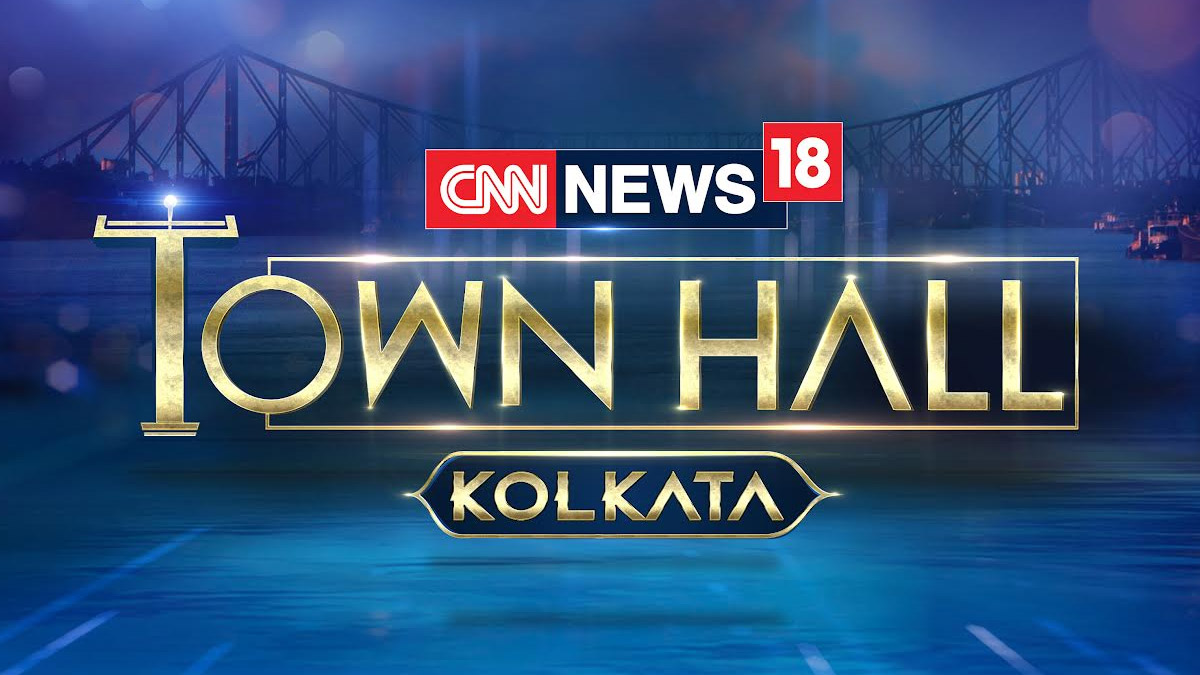
MUMBAI: Bengal is about to make fresh waves on the Hooghly and this time the current is pure conversation. CNN-News18 is taking its iconic Town Hall format to the waters of the iconic Hooghly River on 20 April 2026 with a special edition titled ‘Bhalobasa Bengal – Inspiring Bharat’. The floating event will celebrate the state’s rich cultural legacy and how its ideas, creativity and spirit continue to shape the rest of the country.
The unique riverside setting draws on Bengal’s history as a cradle of reform, art and intellectual thought. The speaker line-up mirrors that diversity: cultural heavyweights Mithun Chakraborty and Sreenanda Shankar will share the stage with trailblazing “Devis” such as Tanya Sanyal (India’s first woman firefighter in aviation), Ipsita Chakraborty (Kolkata’s first woman bartender) and Reshma Nilofer Visalakshi (Nari Shakti awardee and marine pilot). Music will flow through the celebrated pianist-vocalist duo Sourendro and Soumyojit, while public life and governance will be represented by Smriti Irani, Leander Paes, Saira Shah Halim, Keya Ghosh, Rekha Patra, Roopa Ganguly and Babul Supriyo.
CNN-News18, editorial affairs director, Rahul Shivshankar, said the event honours voices that carry Bengal’s legacy forward. Smriti Mehra, CEO – English & Business News, Network18, added that Bengal’s stories resonate far beyond its borders, especially as the state heads into polls.
From the first woman to battle flames in the skies to legendary actors who shaped Indian cinema, the gathering promises a rich mix of inspiration, courage and candid dialogue. In a city where culture has always flowed as freely as the river itself, CNN-News18 is turning the Hooghly into a floating forum for ideas that matter.
Tune in on 20 April on CNN-News18, CTV and YouTube to catch Bengal’s heartbeat in full flow.