Gaming
PlaySuper lands $500K to make in-game shopping seamless


MUMBAI : Gaming commerce startup, PlaySuper, has secured $500 thousand in seed funding, led by IAN Angel Fund and 100X.VC. The round attracted notable angel investors, including Uday Sodhi, KRS Jamwal, Pratham Mittal, Rajit Bhattacharya, and Ankit Das, reinforcing confidence in PlaySuper’s vision to revolutionise in-game shopping.
The funding will accelerate product development, expand market reach, and support key hires. PlaySuper is set to launch its next-generation, hyper-personalised in-game store, enabling seamless integration without requiring game updates. The company also plans to expand into southeast Asia within six months, followed by Mena and Latam. Additionally, it will onboard a world-class product head and strengthen its B2B partnerships team to collaborate with more gaming studios.
Founded in April 2024 and headquartered in Gurgaon, PlaySuper is pioneering gaming commerce by allowing gamers to shop within mobile games in real time.

PlaySuper co-founder & COO Shouradeep Chakraborty commented: ‘Gaming is the largest entertainment sector, yet mobile game retention remains a challenge. At PlaySuper, we’re transforming gaming into an interactive, rewarding, and commerce-driven experience. This funding will help us drive product innovation and strategic partnerships to make in-game commerce mainstream.’
IAN Group co-founder Padmaja Ruparel added: ‘The gaming industry in India is expanding, but retention and monetisation remain key hurdles. PlaySuper is pioneering a new model that benefits both developers and players. With their deep industry expertise, we are confident in the team’s ability to drive this transformation.’
PlaySuper’s founding team—Shouradeep, Upamanyu, and Abhir—are lifelong gamers and second-time entrepreneurs. Shouradeep and Upamanyu previously co-founded LectureNotes, an edtech platform that secured $2.5 million in funding in 2022. With backgrounds in gaming, Web3, and edtech, they have identified a significant opportunity at the intersection of gaming, fintech, and commerce.
With mobile gaming retention rates in India facing a 98 per cent churn, PlaySuper introduces an innovative solution by embedding real-world rewards into games. This approach enhances player engagement while helping developers monetise effectively.
The global gaming commerce market is valued at over $500 billion, with India’s gaming sector projected to exceed $5 billion.





Gaming
Konami concludes successful eFootball India campaign
Campaign featuring Rinku Singh, Varun Chakravarthy and other stars boosts engagement ahead of FIFA World Cup 2026.
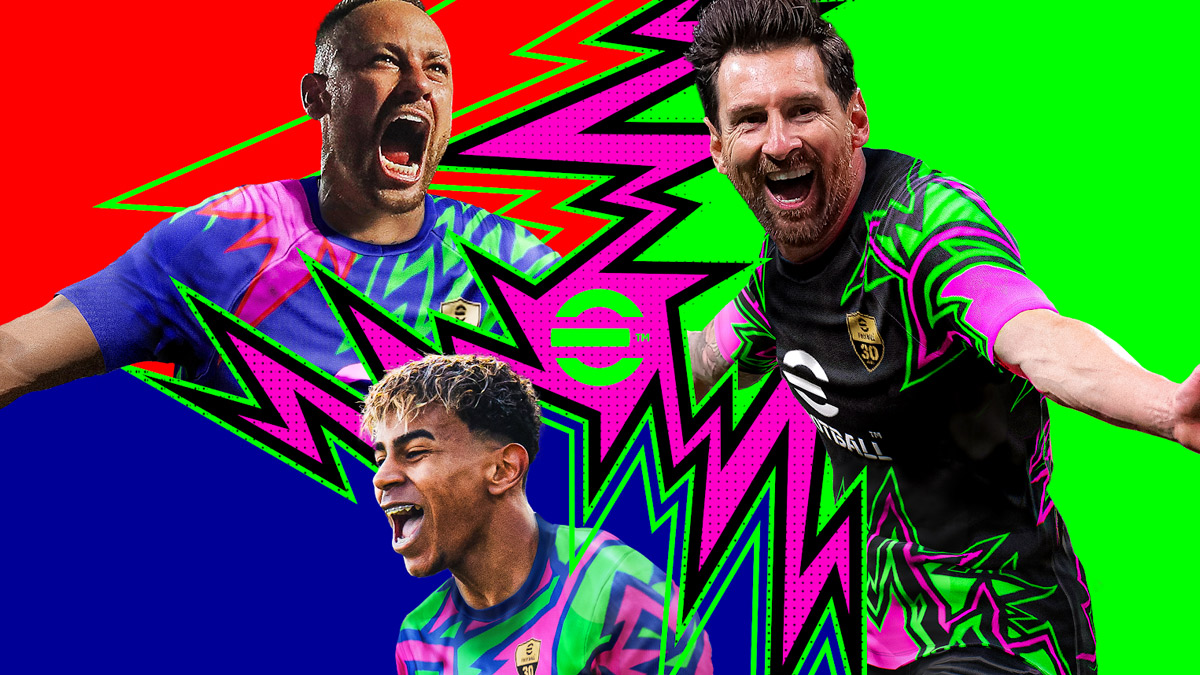
MUMBAI: When cricket meets football in the virtual world, even the biggest fans can’t help but score and Konami’s latest eFootball campaign in India has clearly hit the back of the net. Konami Digital Entertainment has successfully wrapped up its India campaign for eFootball, which brought together cricketers Rinku Singh and Varun Chakravarthy, actors Naslen Gafoor and Chandu Salim Kumar, and footballers Sahal Abdul Samad and Shubhasish Bose. The multi-star campaign generated strong excitement across gaming, football, and creator communities through social content, fan participation, and in-game engagement.
Building on the initial launch that featured a limited-time Lionel Messi card, the campaign united fan communities, lifestyle creators, football creators, and competitive eFootball influencers. It significantly expanded the game’s visibility and deepened engagement with fans across the country.
The campaign also saw thousands of entries submitted as part of its social media engagement challenge, reflecting high levels of community enthusiasm and active creator involvement.
Looking ahead, Konami plans to build on this momentum with more eFootball experiences for Indian fans as the FIFA World Cup 2026 approaches. With global attention on the tournament set to rise, India will remain a key market for deepening community engagement and bringing fans closer to the action.
In a country that lives and breathes sport, Konami has shown that mixing real-world stars with virtual thrills is a winning formula leaving fans eagerly waiting for the next goal.






