iWorld
Pay-per-view takes off in India, but has a long way to go

KOLKATA: While the last year has seen the entry of new over-the-top (OTT) players, it has witnessed the burgeoning of new business models as well, pay-per-view being one of the most noticeable trends. A number of new entrants, along with some of the existing over-the-top players, launched this transactional model. Very recently, online ticketing player BookMyShow and telecom player Vi introduced their own on-demand services under the TVoD category.
Despite it being the latest bandwagon, experts are sceptical about pay-per-view’s success in the market. For the value-conscious Indian viewers, who are much more inclined to pay for bundled catalogues, this model will tempt only a minuscule set of audiences. But with effective pricing and marquee content, pay-per-view may increase its attractiveness.
Vi announced the launch of its pay-per-view streaming service, available on Vi Movies and TV app, in collaboration with Hungama Digital Media. Vi customers will be able to rent premium Hollywood movies at Rs 120 and others at Rs 60 for a period of 48 hours.

Media expert Rajiv Sharma thinks content under this model should not disappear so soon. According to him, the model can work better if the library is phenomenal, and moreover, whatever is being picked up should be available for long term, at least for six months.
While movie theatres being shut for a long time led to a line-up of movies pending releases, there is a huge backlog that will not hit theatres right now for multiple reasons. Hence, some of the pay-per-view platforms feel that consumers might shell out for watching movies at home, Elara Capital VP research analyst (media) Karan Taurani said. But he also pointed out that most Indians pay for cinemas considering it as an outing and for the overall experience. So, it can be challenging to get consumers to just pay for one content. He also mentioned that the model has been tried and tested by DTH players but they have not been able to scale it up.
ShemarooMe was one of the first players to launch a pay-per-view service ShemarooMe Box Office during lockdown. Zee Entertainment Enterprises Ltd rolled out Zee Plex in October. In early February, BookMyShow’s streaming service debuted under the TVoD model, offering 600 movie titles and 72,000 hours of content. Notably, BookMyShow Stream allows users to either buy or rent a movie and the price point ranges between Rs 40 to Rs 700. Some smaller regional players are also testing the waters with this model.
Kuarte Digital’s Uday Sodhi noted that the pay-per-view model is not new in India. Earlier, telecom operators had tested this model or other aggregators like Apple also went for this pricing model, albeit OTT platforms have been trying it for the first time in the wake of Covid2019.
“This model is still at a very nascent stage. Also, if you look at BookMyShow streaming service, this is more of an evolved ticketing system for movies. TVoD is a good proposition for live events, sports coupled with effective pricing. It is very unlikely for major OTT platforms to choose TVoD for mainstream entertainment content,” Sodhi added.
However, according to Sharma, if pay-per-view is strategised properly, it will give users more flexibility and control over payout. An average user sometimes watches only one-two content in a month paying for the library. With a proper price gap, it might attract that part of the user base. Even so, every piece of content cannot be a marquee property, “killer content” is very rare, which is one of the biggest gaps for this model.
Among the top players, SonyLIV is dipping its toe in the pay-per-view pool by introducing WWE to its viewers with the WWE Network pack curated specially for fans of pro wrestling. Most experts are of the view that the chances of major platforms exploring this model are very rare. Instead, they will look at innovative comprehensive pricing like Netflix did with its mobile only plan, Taurani stated. To reach critical mass, the subscription should be the focus area for bigger players as of now, experts believe.






e-commerce
Instamart gold dig event at Hussain Sagar goes viral
Hyderabad activation ties to gold price lock offer ahead of Akshaya Tritiya
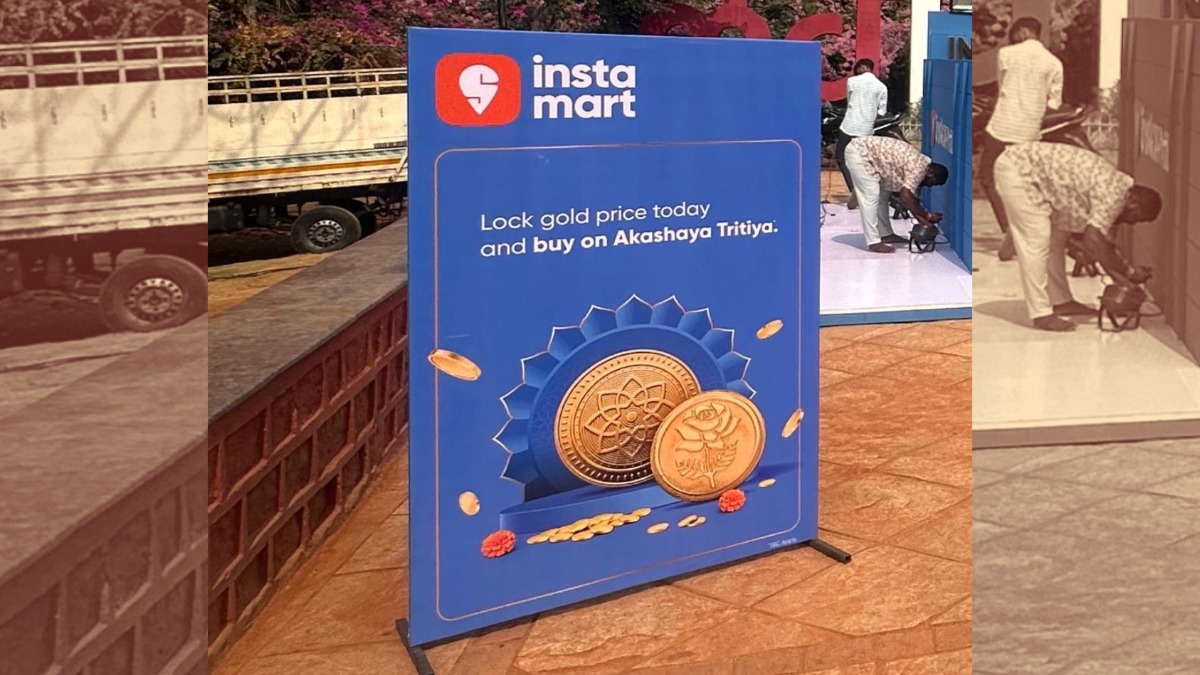
MUMBAI: All that glitters isn’t just gold, it’s also great marketing. A quirky on-ground activation by Instamart at Hussain Sagar Lake has turned into a viral spectacle, with videos of people digging for gold coins flooding social media feeds this week. The campaign, executed in collaboration with Moms, transformed a patch of the city’s iconic lakefront into what online users quickly dubbed a “mini gold rush”. Armed with spades, participants dug through a mud-filled pit in search of hidden gold coins, an activity that drew crowds, cameras and plenty of commentary online, ranging from amused disbelief to outright fascination.
At the heart of the frenzy was a promotional push for Instamart’s ‘Gold Price Lock’ feature, which allows users to secure prevailing gold rates between April 10 and April 16 and complete their purchase later during Akshaya Tritiya, a period traditionally associated with high gold buying. The mechanic cleverly blended physical participation with digital conversion, turning curiosity into a potential transaction.
Branded as ‘Gold Diggers’, the activation leaned into gamified engagement. Those who struck lucky walked away with coins, those who didn’t were nudged with a simple message: lock the price now, buy later. The result was a steady stream of footfall and a surge in user-generated content, as onlookers and participants alike documented the spectacle.
The timing is significant. India remains one of the world’s largest consumers of gold, with demand peaking around Akshaya Tritiya. Data from the World Gold Council suggests the festival alone accounts for roughly 25–30 tonnes of gold purchases annually, making it a high-stakes window for brands looking to tap into consumer sentiment.
As the ‘Gold Price Lock’ feature remains live until April 16, the campaign has already done its job turning a simple product feature into a citywide moment. Because sometimes, the quickest way to get people talking about gold isn’t to sell it, it’s to make them dig for it.







