iWorld
‘Paatal Lok’ and ‘Mirzapur’ writers on creating content for OTT

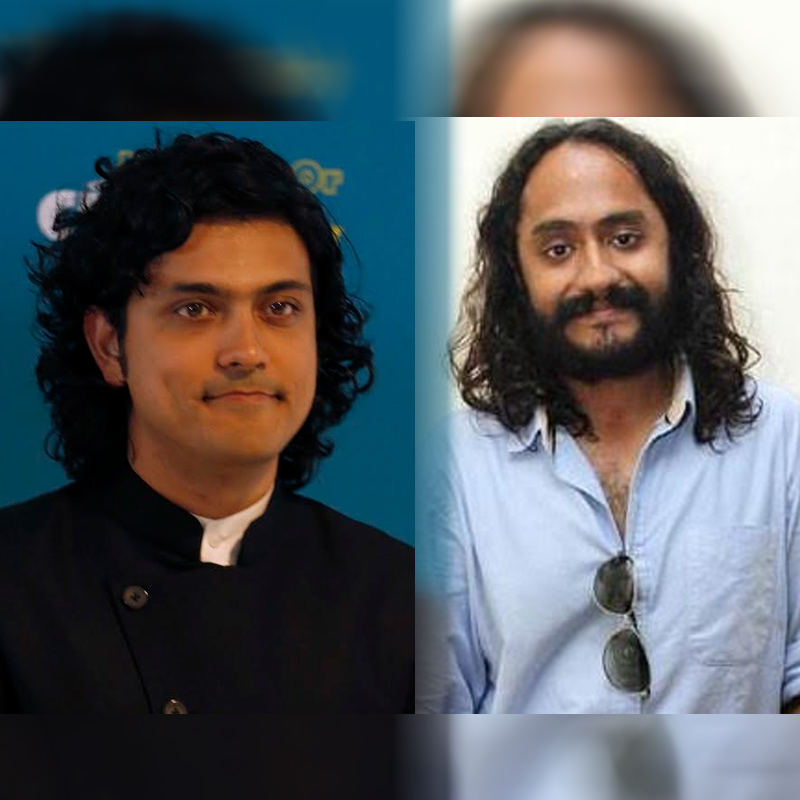
MUMBAI: A few digital shows have grabbed the attention of streamers in recent times, including Mirzapur and Paatal Lok. In a virtual conference with The Advertising Club Bangalore, writers Hardik Mehta and Gurmmeet Singh talk about their journey with Wavemaker VP Kishan Kumar.
Mirzapur director Gurmmeet Singh said that he has been working on various kinds of films over the last 20 years and over the last five years that he’s been exploring the OTT ecosystem. Amazon Prime Video’s show Inside Edge creator and director Karan Anshuman wanted to work with Singh and the duo met for Mirzapur.
Singh said that initially when the trailer was released people assumed it was similar to Anurag Kashyap’s Gangs of Wasseypur. He said, “Later, people understood that it is a completely different series. A lot of credit goes to Mirzapur co-writer Puneet Krishna who has grown in the north belt. He had brought a lot of authenticity and humour to the show. The series had a different name before, but it was not going well with the story hence we changed it.”

He further added that Mirzapur's story is underplayed and it was way more colourful on paper. In fact, a lot of casting choices were made considering the same aspect. The team decided to cast people who were endearing and more relatable. “Casting gave Mirzapur the leg to travel which sometimes other films and shows are not able to do. So, you have access to different countries, different people and these actors brought a lot of hope in an otherwise dark world,” he shared.
Paatal Lok writer and national award winner Hardik Mehta has also been part of the entertainment industry for almost a decade. After quitting the foods and technology industries, Mehta joined an advertising firm as a copywriter. From there he developed an interest in filmmaking and documentary. Paatal Lok chief writer Sudip Sharma had seen his script for Kaamyab and roped him in. The shooting began in early 2017.
The show’s main reference point was from Tehelka ex-editor in chief Tarun Tejpal's book “The Story of my Assassins.” Mehta points out that the makers of the show wanted to create an investigative neo-noir kind story.
He added, “Hathiram's world was completely created by us. We wanted a cop who is caught between personal and professional rut. He is a man who is caught between the cop world and bureaucratic nexus. We decided three main arcs of the show: firstly was Hathiram and his investigation, secondly the story was about the famous and left liberal journalist and as the country’s politics changed his personality changed and lastly, the story was around Hathiram’s personal story about his son and wife.”
One of the unique things that Paatal Lok scriptwriters did was to submit their version of the episode every week. The best one was selected. 30 drafts were created for a ten-episode series.




Gaming
India’s broadcasters say no to Fifa World Cup 2026
Fifa has slashed its asking price by 65 per cent but India’s broadcasters are still not buying
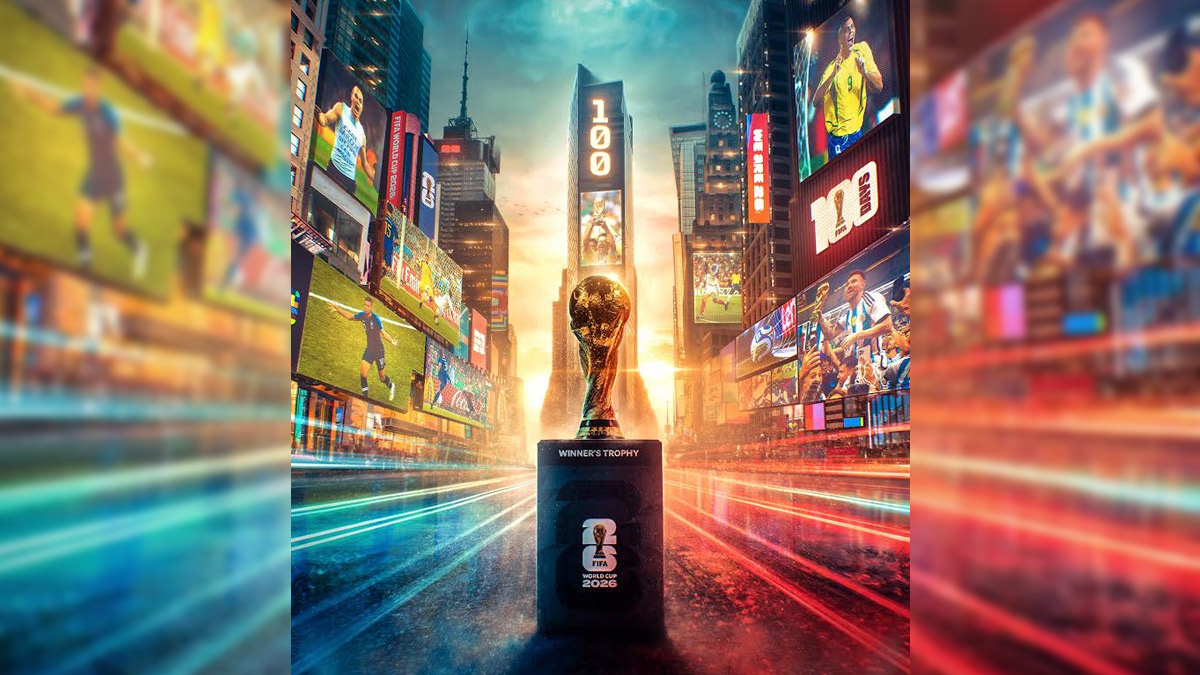
MUMBAI: The world’s biggest sporting event cannot find a single taker in the world’s most sports-mad nation. Fifa’s television rights for the 2026 World Cup remain unsold in India, and the clock is ticking loudly.
To shift the property, world football’s governing body has already swallowed hard and cut its asking price from $100m to $35m, bundling in the 2030 edition as a sweetener. It has not worked. Indian broadcasters have looked at the offer, done the sums and quietly walked away.
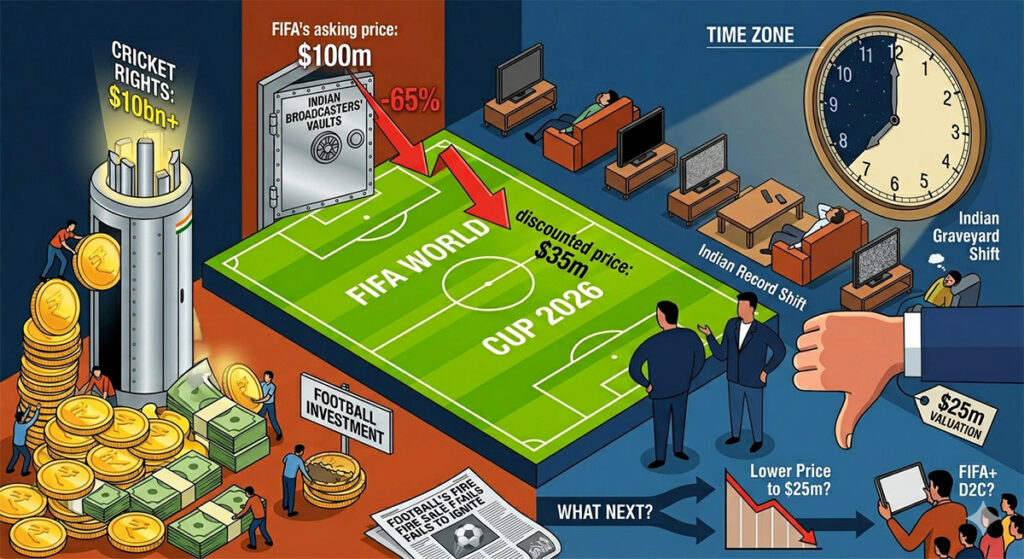
The reasons are brutally simple. The 2026 tournament, co-hosted by the United States, Canada and Mexico, kicks off in a time zone that turns India’s primetime into a graveyard shift. Most matches will air between midnight and 7am IST, a scheduling catastrophe for advertisers chasing mass reach. The 2022 Qatar edition was a gift by comparison, with matches dropping neatly into Indian evenings. North America offers no such luxury.
The market itself has also changed beyond recognition. The merger of Star India and Viacom18 into JioStar has gutted the competitive tension that once sent sports rights prices soaring. Where rival bidders once slugged it out, there is now a single dominant buyer, and it is in no hurry. JioStar has valued the rights at roughly $25m, a full $10m below Fifa’s already-discounted floor price. That gap has so far proved unbridgeable.
Broadcasters are also nursing a ferocious cricket hangover. Between 2022 and 2023, Indian media houses committed well over $10bn to cricket rights alone, covering IPL, ICC events and BCCI domestic fixtures combined. After a binge of that scale, appetite for a football package that delivers a fraction of the ratings, in the dead of night, is close to zero.
The economics of football broadcasting make the maths even harder. Cricket, with its natural breaks every few overs, is an advertiser’s paradise. Football offers a 15-minute halftime and precious little else. Recovering a nine-figure rights fee from a single half-hour ad window is a stretch at the best of times. These are not the best of times: the Indian government’s tightening grip on real-money gaming and gambling advertising has vaporised a category that once underwrote the economics of big sporting events.
Nor is the World Cup an anomaly. Indian Super League valuations have cratered. English Premier League rights have softened across successive cycles. The cooling of football as a broadcast commodity in India is structural, not cyclical.
With the tournament opening on 11th June, Fifa is running out of road. It may yet blink and meet JioStar at $25m. Or it may go direct, streaming the entire tournament on its own platform, Fifa+, or cutting a digital deal with YouTube, and hoping that a generation of Indian football fans finds its way there without a broadcaster to guide them.
Either way, the beautiful game’s Indian chapter is looking decidedly ugly.







