iWorld
OTT industry working on compliance with new IT rules

Kolkata: For the last few months, the new regulations introduced for over-the-top platforms at the beginning of this year, has been the talk of the town. As the new rules introduced by the government came into effect on 26 May, the industry is working towards complying with all the rules. However, both the self-regulatory bodies, the newly formed digital segment under Indian Broadcasting Foundation (IBF), Internet and Mobile Association of India (IAMAI ) have asked for additional time, as per industry sources.
On 27 May, the digital media division of the ministry of information and broadcasting (MIB) wrote to the OTT and digital media publishers to furnish all their details and compliance status under Rule 18 of the Information Technology (Intermediary Guidelines and Digital Media Ethics Codes) Rules, 2021 within 15 days.
Soon thereafter, IDBF announced the appointment of Justice (retd.) Vikramjit Sen as chairman, along with six other media and entertainment industry members for its newly formed Digital Media Content Regulatory Council (DMCRC). IAMAI followed suit and announced its self-regulatory body for streaming content companies like Netflix and Amazon Prime Video. The Digital Publisher Content Grievances Council’s (DPCGC) Grievance Redressal Board (GRB) will be chaired by former Supreme Court judge Arjan Kumar Sikri, it announced.

The withdrawal of broadcaster-led OTTs such as Disney+Hotstar, Zee5, SonyLIV from IAMAI has created two lobbies in the industry. International tech and media giants like Netflix, Amazon have stayed with IAMAI, along with tech giant Apple who also joined the body recently. Several independent bodies have also decided to remain under IAMAI.
According to a senior official with a leading OTT, both are in touch with MIB and have asked for additional time. While the ministry may grant some extension, it seems it is not very happy with the fact that “people have been toying around deadlines”, the official added.
“IBF has to work on the registration, including a new name, trademark for its new body, and IAMAI has to work on the formation of its second-tier mechanism. IBF has assured that it would come up with rigid guidelines exactly based on the code of ethics”, he added.
Indiantelevision.com surfed through websites of leading platforms like MX Player, Zee5, SonyLIV, Disney+Hotstar, and found details of the grievance redressal officers identified by the respective platforms. Moreover, most of the leading platforms have already classified age-rating on their shows, some of the platforms have even rated the overall show, still others have rated each episode wise.
According to a Hindustan Times report over 800 OTT platforms including video streaming services such as Netflix and Hotstar, and digital news media outfits, have shared details under the new IT rules. Most of the top OTT players have shared the details including Netflix, Amazon, Jio, the report said, quoting an unnamed MIB official.
The new rules apply to digital news publishers as well. While traditional media companies with digital footprints asked for an exemption. But MIB clarified that it would not grant any relief because making an exception of the nature proposed “will be discriminatory to the digital news publishers who do not have a traditional TV/print platform.”
The News Broadcasters Federation has stated on Friday that all its current members have duly complied with the requirements of the new rules by providing required information of their entities. However, the new rules have been challenged in court by a few digital news media outfits including LiveLaw and The Wire.







iWorld
Bajaj Dhuniverse crowns ‘Voice of the Nation’ on 31 March
Shankar-Ehsaan-Loy to judge finale in Mumbai as over 60,000 aspirants compete.
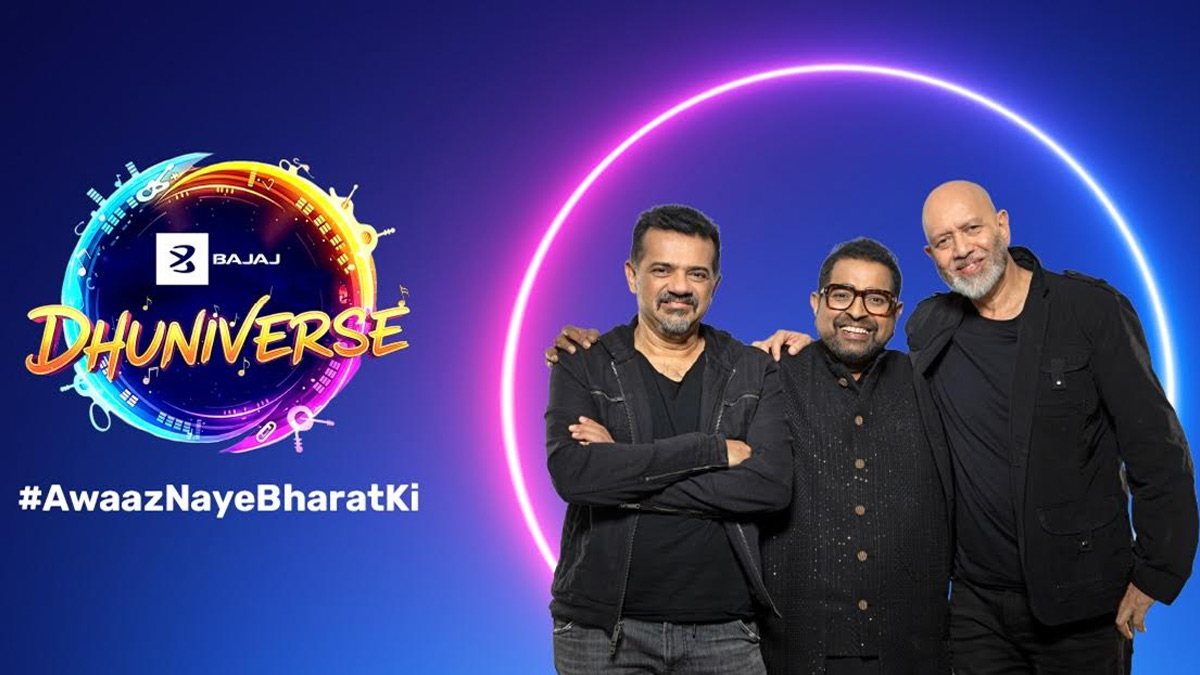
MUMBAI: Bajaj Dhuniverse just hit the high note because when 60,000 voices chase a dream, even the judges need earplugs and a standing ovation. Bajaj Finserv will conclude its digital-first music talent platform Bajaj Dhuniverse with a grand finale on 31 March in Mumbai. The event, hosted in the presence of legendary composers Shankar-Ehsaan-Loy, will crown the ‘Voice of the Nation’ after a six-month nationwide search that drew over 60,000 auditions from metros to deep rural areas.
The platform enabled aspiring singers and musicians to submit audio and video entries without the barriers of physical auditions. A rigorous, multi-layered evaluation process shortlisted the top 100 contestants, who received mentorship from Shankar-Ehsaan-Loy through a digital episodic format. From this pool, 10 finalists and one wild-card entrant were selected to perform live at the finale.
The winner will receive the opportunity to co-create the Bajaj Anthem as Season 1’s ‘Voice of Bajaj’, record an independent album with Zee Music Company, and collaborate with Shankar-Ehsaan-Loy on a Spotify release.
Bajaj Finserv president of digital platforms Manav Mianwal said, “We owe it to the nation and our people to invest in creating platforms that harness potential and create new role models. The response we have received in Year 1 gives us the tailwinds and the courage to make this even bigger and better in Year 2.”
Shankar Mahadevan said, “What stood out to me about Bajaj Dhuniverse was the intent to find and elevate musical talent from all corners of India. The digital-first approach has made participation genuinely inclusive.”
Ehsaan Noorani added, “The range, depth and commitment we witnessed during evaluations were extraordinary.”
Loy Mendonsa noted, “India has always had immense musical talent. Bajaj Dhuniverse created a platform where musicians could step forward and be discovered.”
The campaign was amplified through on-air storytelling and on-ground activations in partnership with Radio Mirchi. The finale will be streamed nationwide, offering music lovers across the country a chance to witness the crowning moment.
In a country where musical dreams often stay hidden in small towns and villages, Bajaj Dhuniverse didn’t just open the stage, it built one that reaches every corner, proving that the next big voice may not come from the spotlight, but from the silence between the notes.








